Scotland
 UK
UK Ireland
 London

Figures issued by the Health and Safety Executive today revealed that every week 20 tradesmen die from asbestos-related diseases, and this number is set to increase.
Secretary of State for Scotland Jim Murphy has given his support to help highlight the importance of the Health and Safety Executive's (HSE) Asbestos: The Hidden Killer campaign which is running throughout October and November and aims to reduce the rising death rate by educating today's tradesmen about the danger that asbestos presents to them.
The campaign was launched in Scotland today at Hampden Park, Glasgow, Scotland's national football stadium.
Mr Murphy, a keen footballer, was shocked to learn that 20 tradesmen a week were dying from having been exposed to asbestos in their working lives. He commented: "I was shocked to learn that the number of deaths is on the increase year on year. Any steps we can take to reduce that number are to be welcomed. These are not just statistics, and each number represents a person with families and dependents and represents an avoidable human tragedy.

"The occupational safety of workers throughout Scotland is a major priority for us all and I am happy to support the campaign. If lives are saved by letting tradesmen across Scotland know the simple facts we should all spread the word."
Greg Haywood, Head of HSE's Asbestos Licensing Unit said: "We need to educate tradesmen about how asbestos and its dangers are relevant to them. We want them to change the way they work so that they don't put their lives at risk."
Mr Haywood said If the death of tradesmen from asbestos related illnesses was to be replicated by footballers dying, the equivalent of the entire Scottish Premier League would be wiped out in a matter of weeks."
West Dunbartonshire, Inverclyde, Renfrewshire and Glasgow have among the highest rates of deaths from mesothelioma in Great Britain, with 1106 people in these areas dying from the cancer between 1981 and 2005.
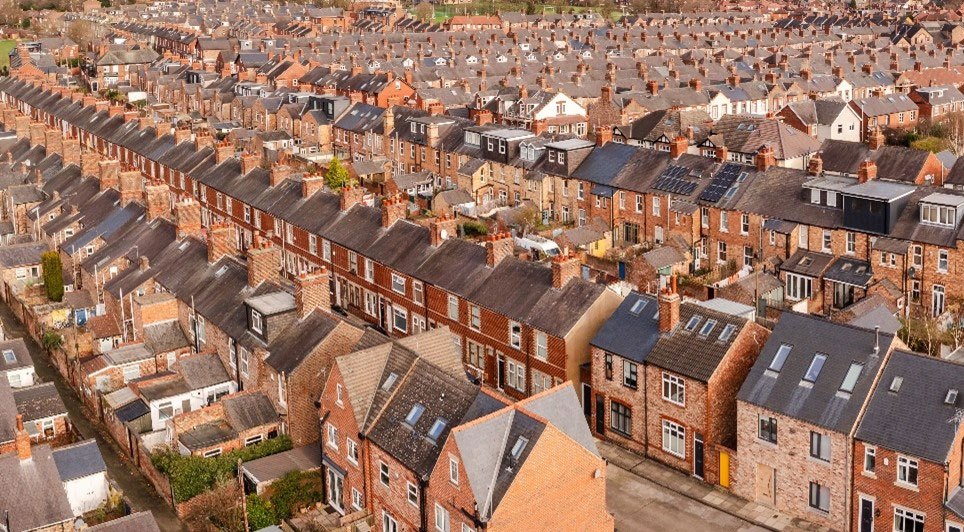
Even today asbestos presents a real and relevant risk to plumbers, joiners, electricians and many other maintenance workers. Asbestos may be present in any building constructed or refurbished before the year 2000, and it is estimated that around 500,000 non-domestic buildings could contain asbestos.
(GK/JM)