Scotland
 UK
UK Ireland
 London

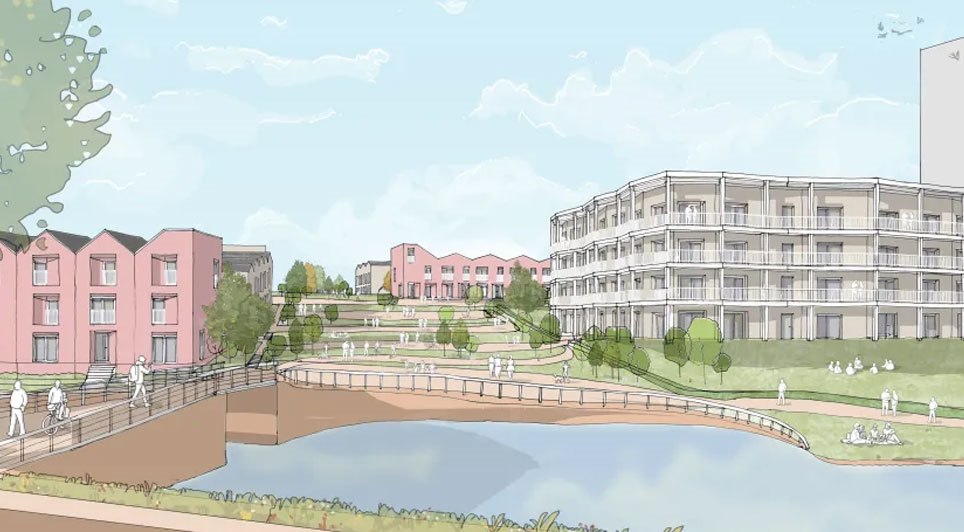
The site of the former Donside Paper Mill in the Tillydrone area of Aberdeen is to be transformed into a new urban village, following the granting of planning consent by Aberdeen City Council’s planning committee.
The approval of the planning application means that the 25-acre brownfield site of the former mill – which closed in 2001 – will be turned into 278 new homes, making it the largest affordable home development ever seen in North East Scotland.
The Donside Urban Village will be developed on behalf of four social housing providers – Tenants First Housing Co-operative Aberdeenshire Housing Partnership, Grampian Housing Association and Langstane Housing Association – under the partnership umbrella of Devanha Ltd. The land for the development was purchased by Devanha with support from the Scottish Government's Housing and Regeneration directorate.

Sandy Murray, Chief Executive of Tenants First, who is leading the Donside development on behalf of the Devanha partners, explains the significance of the Council’s approval of the village.
"The Donside Urban Village is the key to Devanha’s ambitions to develop new affordable homes in Aberdeen and it is an excellent example of local social housing providers working together with government at both national and local levels."
The Donside Urban Village will be a mixed tenure development providing affordable homes along with a number of properties for private purchase.
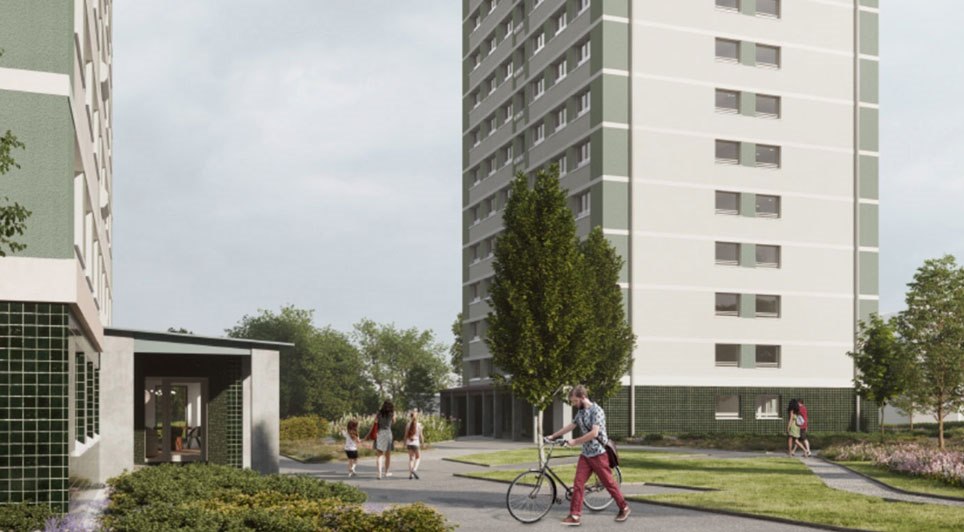
Combining flats with two, three and four-bedroom family homes and gardens, the Donside Urban Village has been designed by architects firm Halliday Fraser Munro, to reflect a traditional North-east townscape, with a grid of streets connecting the main village square, the various neighbourhoods and a number of courtyards and open spaces.
To ensure that the village develops a real community identity, the plans also include some office space and business start up units, along with provision for neighbourhood shops.
The construction materials chosen for the development have been selected for their low energy usage and the homes will feature solar water heating along with particularly high levels of insulation. The developers are also considering a small scale hydro-electric plant on the old mill lade, which would produce around twice the electricity needed for the village.
Most of the existing mature trees on the site will be retained.
(GK/NS)