Scotland
 UK
UK Ireland
 London

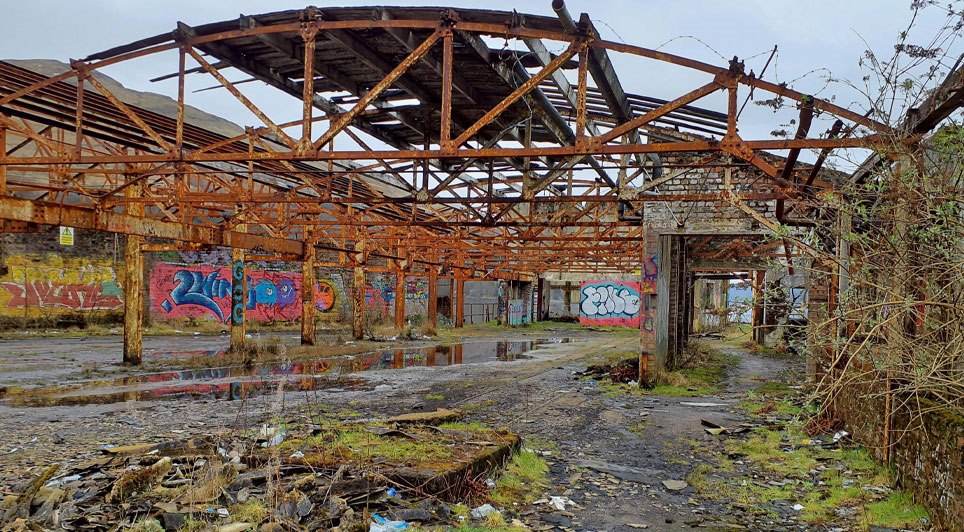
Loch Lomond & The Trossachs National Park Authority has approved a major mixed-use tourism development at the former Ministry of Defence torpedo testing station in Arrochar, Argyll & Bute. The decision represents positive progress toward returning the large, derelict site to active use after it has spent many years as a blight on the local community and landscape.
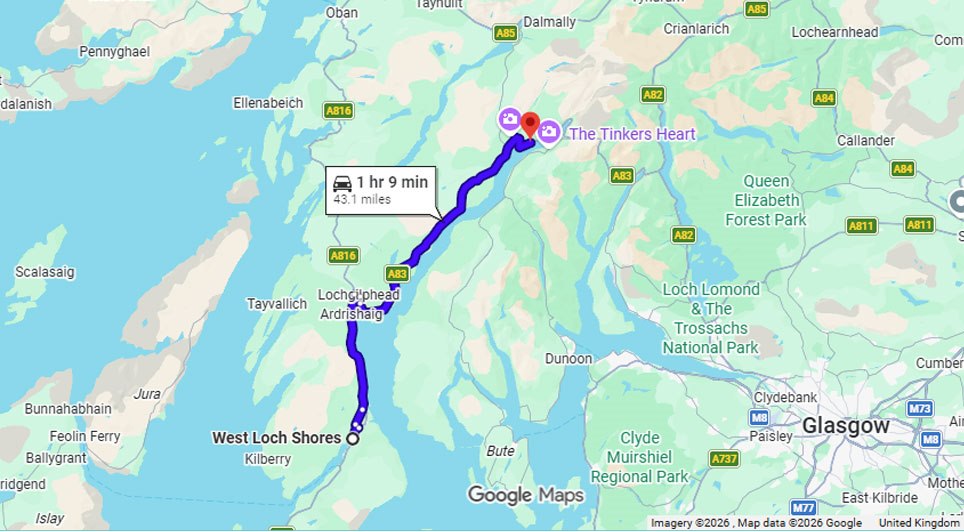
The 11-hectare site, located on the banks of Loch Long, originally opened in 1912 and has lain largely derelict since the torpedo station ceased operations in 1986. Decades of inactivity have turned the area into a persistent source of frustration for local residents, attracting anti-social behaviour, littering, and fly-tipping despite the landowner's efforts to keep the site secure.
Proposed by applicant Ardnagal Estates, the approved development features 34 holiday lodges, 14 holiday homes, a 34-bedroom hotel, 20 glamping pods, 6 motorhome pitches, an outdoor play area, associated parking, and native landscaping. The project intends to deliver a range of leisure services and accommodation options designed to complement and enhance existing regional provisions without placing undue pressure on local infrastructure, biodiversity, or the surrounding landscape.

Claire Chapman, Planning & Access Committee Chair said: "The approval of this long-standing derelict site's redevelopment is a significant step forward in addressing what has been a blight on both the local community and the environment. The site has been identified in both the existing Local Development Plan, which guides new development in the National Park, and in the community's Local Place Plan.
"Permission for this application also secures commitments from the developer to protect and enhance the site's natural environment, ensuring the area's landscape and environmental sensitivities are safeguarded for the long term, and will help bring the site back into positive use. That is a very welcome outcome for people, and for nature."
Biodiversity at the site will be meaningfully improved through extensive native planting and the removal of invasive non-native plant species, including Japanese knotweed and Himalayan balsam. Additionally, the development will open up public and community access to the loch via a revitalised pier, while new leisure services, such as a play park, will introduce a family-friendly amenity for both visitors and residents. The site's location is also well-positioned to encourage visitors to explore beyond the busiest sectors of the Park, helping to alleviate congestion around popular hotspots while spreading the benefits of sustainable tourism.
The project reflects specific priorities identified by local residents through their own Local Place Plan, highlighting an instance of community-led planning delivering tangible, place-based change for both people and nature within the National Park.
The progression and delivery of the proposed development is now for the applicant to drive forward. The National Park Authority's approval remains subject to a Section 75 legal agreement alongside a number of conditions designed to ensure all planning obligations are fulfilled in this sensitive location.