Scotland
 UK
UK Ireland
 London

SSEN Transmission, the electricity network business, has partnered with RSPB Scotland to launch a major habitat restoration project at the Inversnaid Nature Reserve within the Loch Lomond & The Trossachs National Park.
The partnership focuses on the restoration of 218 hectares of upland habitat, promoting ecological resilience for native wildlife such as Black Grouse and Golden Eagles. This conservation effort is a key part of SSEN Transmission's commitment to biodiversity enhancement related to the refurbishment of the Sloy-Windyhill overhead line.
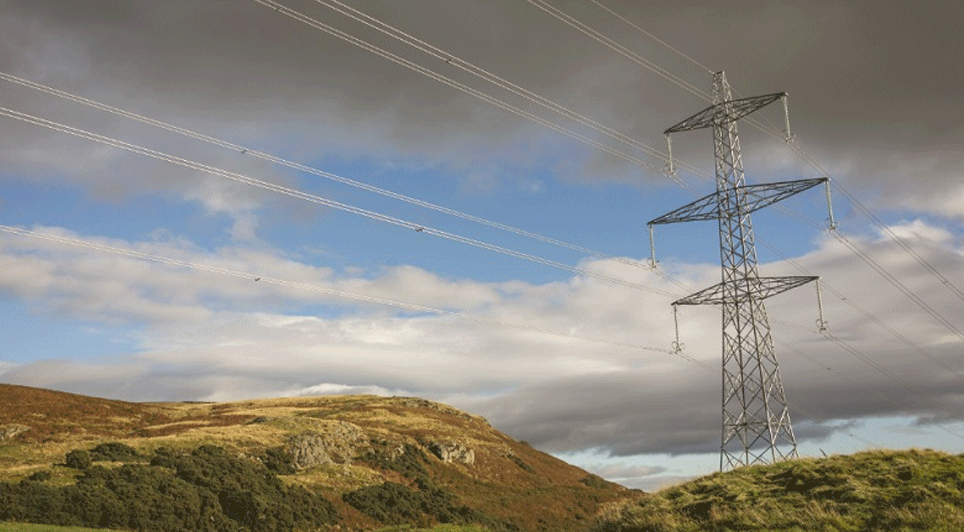
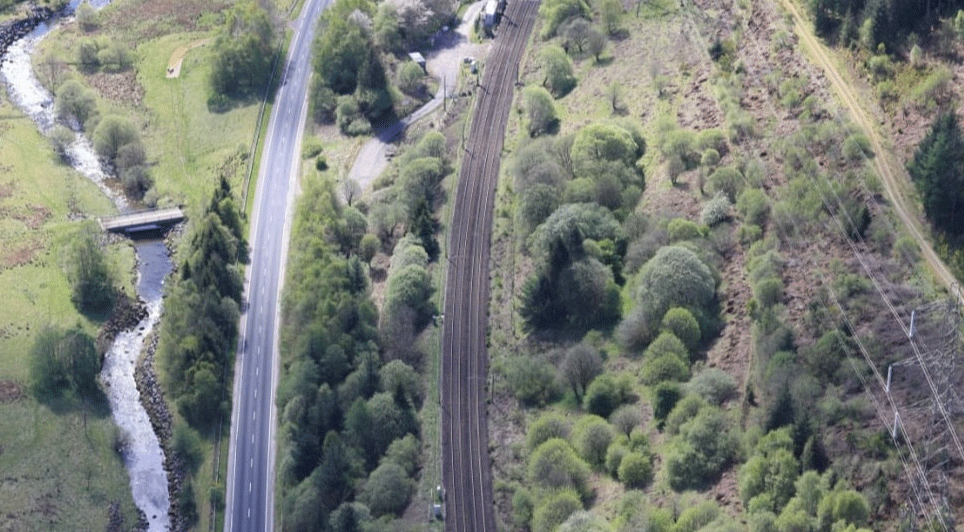
The essential infrastructure upgrade involves refurbishing a 14.5km section of 132kV overhead line between Sloy and Windyhill near Glenmallan, originally built in 1951.
The restoration at Inversnaid is an example of SSEN Transmission's wider commitment to nature. As part of its plan to invest at least £22 billion in Scotland’s electricity transmission network between 2026 and 2031, the company is committing at least £100 million (or £100m) to nature restoration. This includes over 5,000 hectares of land and marine initiatives, positioning them as the largest single investor in nature restoration in Scotland.

The company stated that this investment demonstrates that infrastructure development and nature restoration can go hand-in-hand, supporting jobs, boosting the economy, and enhancing biodiversity.
Conservation and Management
The 10-year habitat management plan at the 800-hectare Inversnaid reserve is a bespoke, large-scale effort designed to combat habitat quality reduction caused by historical overgrazing.
Key conservation initiatives include:
• Habitat Restoration: Improving vegetation structure in upland areas by promoting a more diverse mosaic of acid grassland, heathland, and regenerating native woodland.
• Invasive Species Removal: Targeting the removal of non-native species such as Rhododendron and Sitka Spruce to protect native vegetation, including rare Scottish rainforest
• Advanced Monitoring: Using technologies like thermal UAV (drone) technology to track herbivore activity and drone photogrammetry for habitat analysis and Biodiversity Net Gain (BNG) evaluations.
The conservation work will also strengthen links to the wider ecological context, including the Great Trossachs Forest National Nature Reserve.