Scotland
 UK
UK Ireland
 London

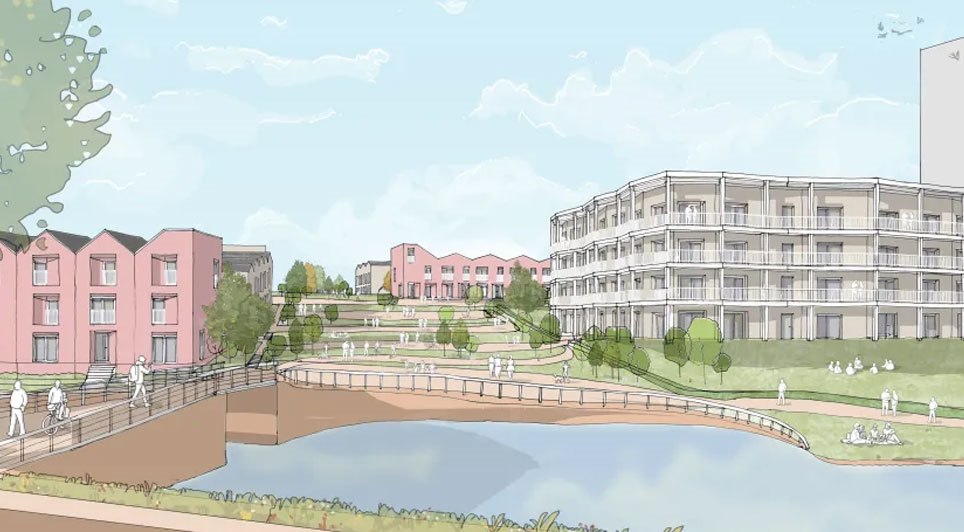
East Lothian Council has officially agreed to seek support from both the Scottish and UK Governments to help realise the ambitious Blindwells development, set to become Scotland's first new large-scale settlement in six decades.
The request for government backing follows the endorsement of a Strategic Outline Business Case for Blindwells by both the Council and the Edinburgh and South East Scotland City Region Deal (ESESCRD) Joint Committee.
This initial step aims to establish the potential for governmental financial assistance, which is deemed crucial for the appropriate expansion of Blindwells. While all future expansion plans remain subject to standard planning procedures, securing this support is seen as vital for the project's progression. Blindwells is one of seven strategic housing sites within the ESESCRD area – encompassing Edinburgh, East Lothian, West Lothian, Midlothian, Fife, and the Scottish Borders – identified as key to addressing the National Housing Emergency. The development is also expected to foster sustainable growth, revitalise a former coalfield, and contribute to community regeneration.
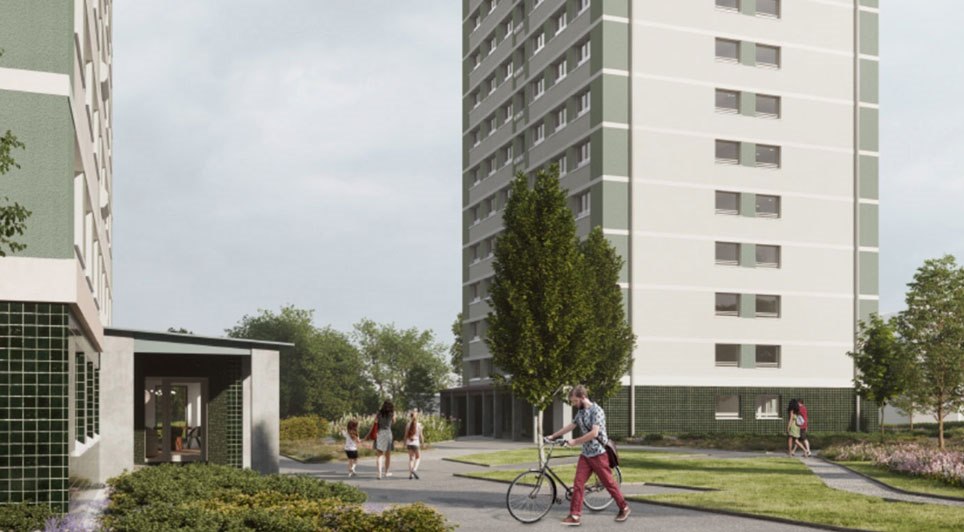
As a long-term undertaking spanning the next 30 years, Blindwells is projected to deliver approximately 10,000 new homes, with at least 2,500 designated as affordable housing. The new settlement will also feature a town centre, bringing employment opportunities and wider commercial and other facilities. The business case strongly advocates for an "infrastructure first" and "net zero" approach to delivery, alongside additional funding support for public services. This expansion could increase East Lothian’s population by around 25% and establish Blindwells as a new regional hub for service provision, business, commercial, and leisure activities.

The business case, developed through a collaborative effort involving East Lothian Council, Scottish Futures Trust, Hargreaves Services PLC, and Taylor Wimpey PLC (major landowners of the wider site), specifically requests financial support from both governments via the ESESCRD. This funding is intended to enable and accelerate the ongoing delivery of Blindwells.
Council Leader Norman Hampshire underscored the necessity of government backing. "The support of both governments will be essential to achieving our ambitions for Blindwells, which is Scotland’s first new settlement since Irvine in 1966," he stated. "Along with our partners, East Lothian Council wants to create Blindwells as an influential, innovative, healthy and net zero place that is a vibrant destination and attractor."
Councillor Hampshire highlighted the financial realities for the local authority: "The reality is that East Lothian is one of Scotland’s smallest local authorities with one of the lowest levels of revenue support grant nationally. We cannot deliver the essential infrastructure required to make Blindwells an exemplar new town for the future without leveraging our position as part of the Edinburgh and South East Scotland City Region Deal and gaining the financial support that it can provide, plus attracting a large amount of private investment."
He concluded: "The fact that East Lothian is part of the rapidly growing capital city region means that any investment in Blindwells will in turn support the national and UK economy as well as deliver benefits to our local communities and places. We hope our business case will be successful in attracting the large amount of forward investment from both governments required to achieve our vision."
Initial analysis suggests the strategic impact of Blindwells could deliver substantial economic benefits at local, regional, national, and UK levels. Projections indicate around £2 billion during the construction phase and approximately £7.5 billion when operational over 30 years. This could support around 1,000 jobs annually during construction and approximately 4,000 jobs during operation, alongside leveraging £2.5-£2.8bn in private investment.
It is anticipated that the Blindwells Strategic Outline Business Case may receive approval from both governments in Winter 2025, with a more detailed co-produced Outline Business Case potentially following in 2026, and a Full Business Case in early 2029.