Scotland
 UK
UK Ireland
 London

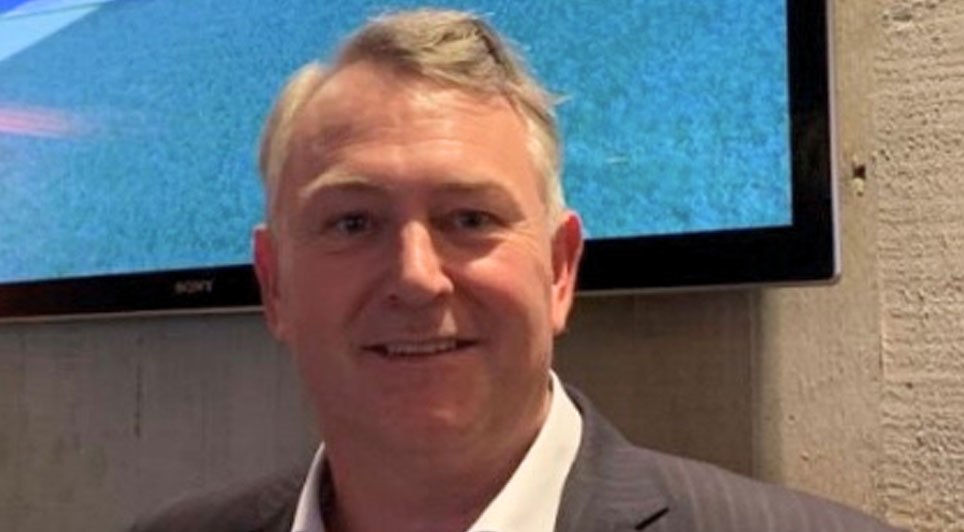
SNIPEF President John Doherty and Deputy Chief Executive Stephanie Lowe recently met with Marie McNair MSP for Clydebank and Milngavie at Doherty's business in Clydebank to discuss the growing challenges of recruiting apprentices into the plumbing and heating profession.
The meeting, held during Scottish Apprenticeship Week, aimed to emphasise the critical role of apprenticeships in building the future workforce and to address the financial and logistical obstacles businesses face when hiring apprentices.
A key focus of the discussion was the increasing financial strain on employers. While apprentices are exempt from paying National Insurance contributions, it is the employers who gain the NI contribution saving, not the apprentices, and rising employer National Insurance contributions (NICs) coupled with national minimum wage increases have significantly driven up employment costs. Additionally, employers bear the costs of apprentices spending approximately 13% of their time in college, while simultaneously ensuring on-the-job training.

The sector warns that insufficient apprentice recruitment could lead to a shortage of skilled workers, impacting both domestic and commercial demand. This shortage also jeopardises Scotland's ability to transition to low-carbon heating solutions, such as heat pumps.
To address these issues, SNIPEF emphasised the need to reduce financial barriers, provide targeted incentives to businesses, and highlight the long-term benefits of apprenticeships.
These measures are seen as vital for maintaining a strong and sustainable plumbing and heating workforce capable of meeting current and future challenges.