Scotland
 UK
UK Ireland
 London

The Government has updated permitted development rights in response to cost and climate challenges.
These new measures which will simplify the planning process for zero and low carbon technologies will help homeowners and businesses save money and reduce their emissions.
Permitted development rights grant permission for certain developments through legislation, meaning they can be undertaken without a planning application. They remove the expenses linked with application submissions and remove administrative burdens on planning authorities. Legislation aimed at improving these rights has been presented to parliament subsequent to a consultation held last year.
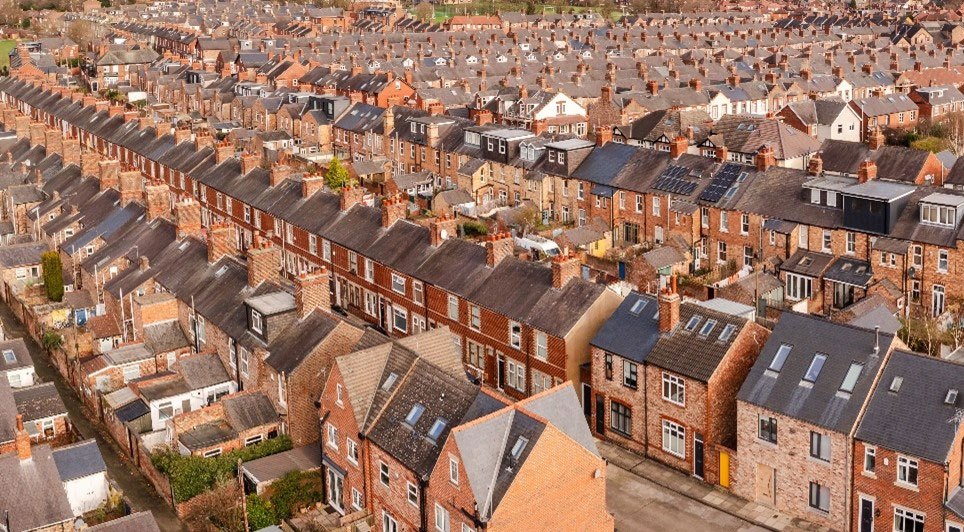
Residents residing in conservation areas, including those in cities, will find it simpler to modify or replace their windows to improve the energy efficiency of their residences. They will also be able to install solar panels on certain parts of their property without a planning application for the first time.

The constraints on the power output of panels on non-domestic structures will be lifted, enabling business owners to install a greater number of panels without requiring planning permission. Businesses equipped with solar canopies in their parking areas will now have the capability to use the energy they produce for various purposes, including powering buildings and electric vehicle chargers.
Planning Minister Joe FitzPatrick said: "The Scottish Government wants to make it easier and cheaper for homeowners and businesses to respond to the challenges posed by the cost of living and climate crises, including by reforming how the planning system works.
"That was the focus of the most recent phase of our ongoing review of permitted development rights, and the package of measures brought forward reflects the responses to our public consultation and constructive engagement with partners.
"Streamlining the planning process for zero and low carbon technologies is also consistent with the strong climate focus in the National Planning Framework 4, which was adopted last year. People will save money and the environment will benefit if we make it easier to install renewable energy equipment on homes and business properties."
Scotland Policy Chair of the Federation of Small Businesses Andrew McRae said: "We’re delighted to see the introduction of this legislation, reflecting the campaigning FSB and others have been doing on the issue for some time. Small businesses are very much aware of the role they have to play in tackling the climate emergency. At a time when the cost of doing business crisis is making it harder for businesses to stay afloat, measures to reduce energy costs will come as a great help for smaller firms."