Scotland
 UK
UK Ireland
 London

Residents of Glasgow are being asked to contribute to a new 52 point action plan that aims to lead the city's fight against climate change.
The plan was placed before councillors on the Environment, Sustainability and Carbon Reduction Policy Committee last month to provide details on how Glasgow can achieve the city's target of carbon neutrality by 2030.
Glasgow residents are being invited to voice their views as part of a major consultation exercise on the action plan that covers key issues such as transport, energy and heating for homes and industry, but also initiatives to reduce waste and improve recycling, enhance the city's natural environment, build resilience against future weather events and develop the city's green economy.
Development of the Climate Emergency Implementation Plan follows the council's declaration of a climate and ecological emergency in May 2019 and the 61 recommendations made by Glasgow's Climate Emergency Working Group in August last year.
Considerable work has already been undertaken to reduce Glasgow's carbon emissions, but as the plan acknowledges, the current rate of change is too slow and that rapid action is needed to lessen the impact of climate change, far less reverse emerging weather trends.

Within the plan it is envisaged that the council works with multiple partners in government, the public sector, private sector and local communities to achieve the ambition of Glasgow becoming a net zero city.
Councillor Anna Richardson, City Convener for Sustainability and Carbon Reduction, believes the threat posed by climate change can only be averted if all sectors of society pull together. But part of creating that collective will must involve listening to the general public's views on the climate emergency implementation plan.
Councillor Richardson said: "The climate and ecological emergency is without doubt one of the biggest challenges faced by the council and its partners. The council must take a lead but collaboration across the public sector, the private sector and communities is vital if the challenge is to be met. It is essential that Glasgow citizens have their say on this plan as it will affect so many aspects of life in the city in the years ahead.
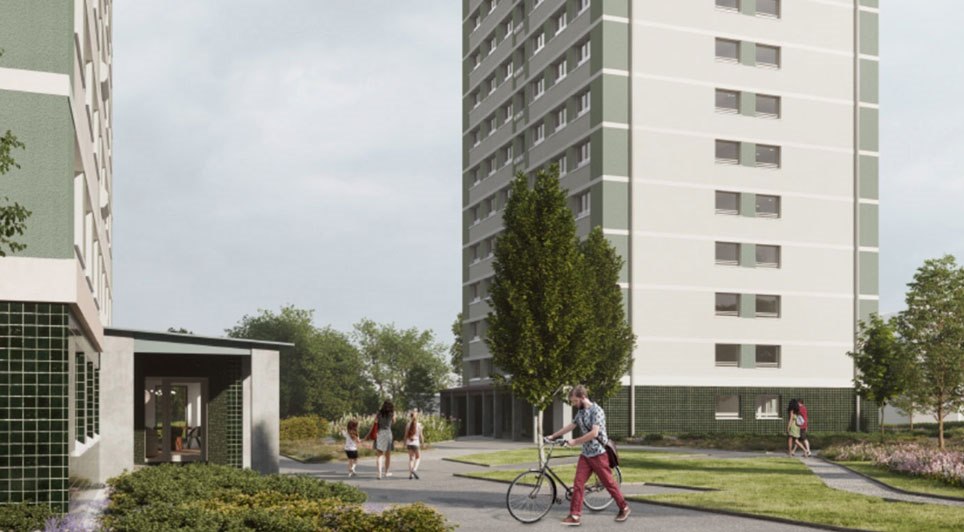
"As the implementation plan shows Glasgow has begun to deliver the kind of change that's needed, whether that's transforming the energy efficiency of multi-storey homes, extending the availability of EV charging points or increasing the city's tree coverage.
"But it also clear there needs to be a sharp increase in the scope, scale and intensity of action to set Glasgow on course for achieving the 2030 target. The new implementation plan puts forward a wide range of actions that will shape how we heat our homes, travel around the city and create opportunities in the green economy of the future.
"Covid-19 has been a major shock to the system, but as we hopefully emerge from the current crisis we cannot lose sight of the fact that the climate emergency has not gone away. A green recovery from the pandemic is therefore essential as we have limited time to get to grips with climate change.
"We must also ensure that the climate action we take does not reinforce inequality within the city. Creating a more sustainable city must go hand in hand with social justice."