Scotland
 UK
UK Ireland
 London

It has been claimed that stones and artefacts found outside a town in the Scottish Borders are likely to belong to a lost village, dating between the 14th and 16th century.
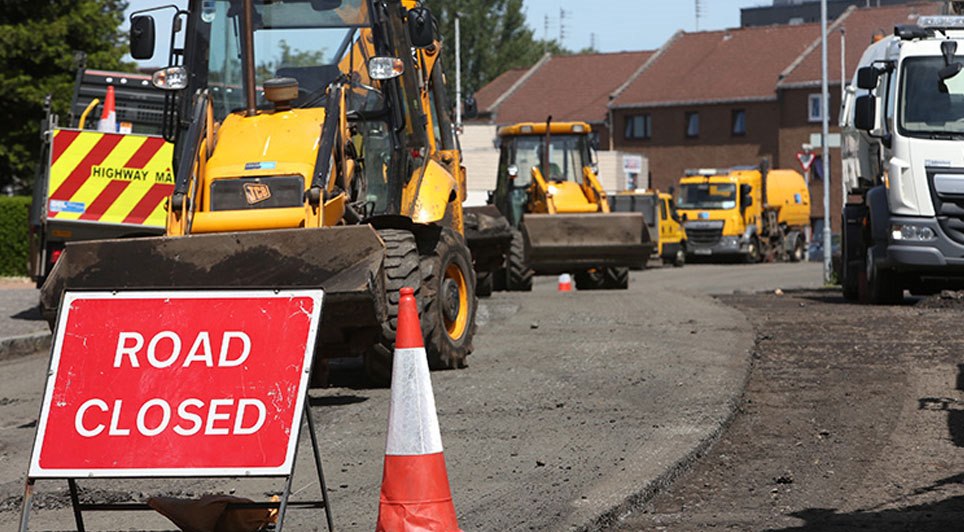
The discovery was first made by Scottish Water as they started work to lay new water mains on the outskirts of Selkirk. GUARD Archeology Limited then carried out further investigations and uncovered foundations of stone-built structures and cobbled farmyards, as well as the foundations of walls, buildings and hearths.
Initial studies in late 2012 suggested the findings may have been related to an Anglo-Saxon settlement, but archaeologists have now concluded that it is likely to have been a small agricultural settlement located along the edge of the valley floor in the late medieval and early post-medieval periods. This opinion has been supported by historical research and radiocarbon dates from charcoal found in hearths.

Simon Brassey, of Scottish Water's specialist engineering environment team, said: "When working in areas of archaeological impact and find artefacts you are continually surprised what you uncover."
John Atkinson of GUARD Archaeology added: "The extent and survival of such well-preserved remains within the plough soil is very exciting."
Dr Chris Bowles, Archaeology Officer with Scottish Borders Council, commented: "This is a significant addition to our knowledge of where and how people lived in the medieval Scottish Borders. Our sincere thanks go out to Scottish Water and GUARD for ensuring this important site has been discovered and understood."
(JP)