Scotland
 UK
UK Ireland
 London

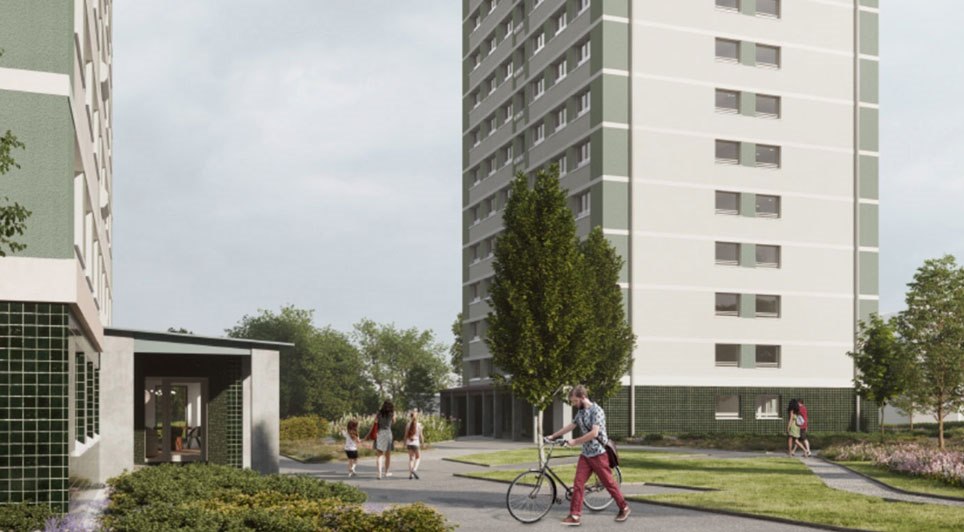
Prospects for housing-based regeneration face the double whammy of lower grant rates and the general economic downturn, according to CIH Scotland.
A recent CIH survey of councils and housing associations indicated that whilst there was still a significant degree of ongoing regeneration work, there was real uncertainty about how much further work could be undertaken in the coming years.
David Bookbinder, Head of Policy and Public Affairs at CIH Scotland, said: "Most respondents said that there were areas in their patch where concerted regeneration activity was needed but for which there were currently no plans.

"Overall the main barriers were a combination of housing-related issues – most notably shortage of funding and lowering of grant rates – and the general economic downturn.
"A key message was that even where housing improvements might be possible, regeneration could only ever be partial until the economy improved, jobs were created and wider provision such as schools and other community facilities made.
"Even where rented provision could be made, the slow down in the private house sales market was having a serious impact on many regeneration initiatives predicated on a mixed tenure approach.
"There was some evidence of a changing emphasis, with survey responses suggesting that a greater proportion of physical regeneration was likely to be undertaken by councils than in the recent past, when associations have carried out the majority of the social house building programme.
"It will be really important for the sector and the Scottish Government to closely monitor levels of regeneration activity and the impact on communities affected by work being stalled."
(GK)