Scotland
 UK
UK Ireland
 London

The town of Gretna would not have been built were it not for the First World War, according to a new publication launched today.
'Gretna – A Munitions Town' is being published by Historic Scotland and shows how a decision to build a factory to deal with a shortage of artillery shells led to a building programme to house workers in 1915.
Within two years a complete town for 20,000 people had been constructed.
Gretna was mastered by Raymond Unwin, one of Britain’s most celebrated engineers.
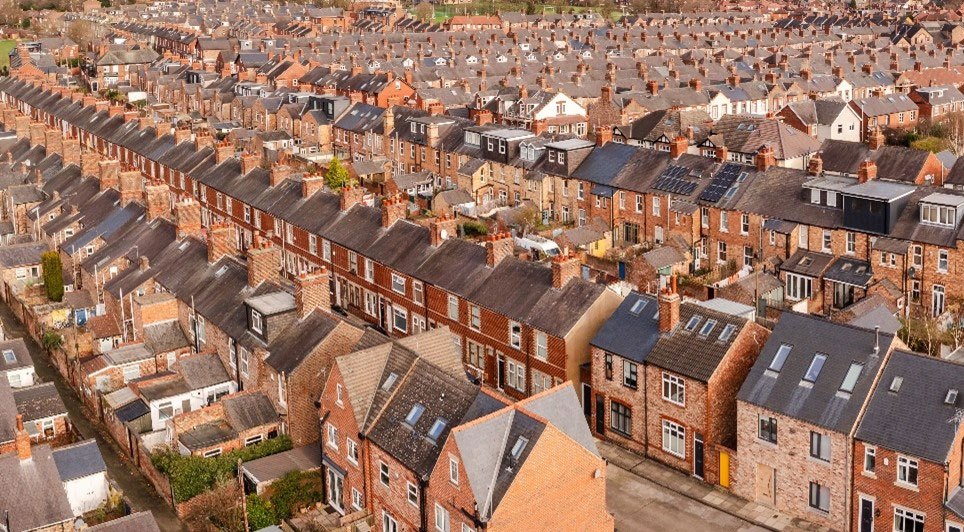
The town’s streets and buildings are characterised by its red-brick, terraced and semi-detached houses, which are unusual for Scotland and are of English influence.

Historic Scotland’s Head of Listing and Designed Landscapes Elizabeth McCrone explained: "Gretna was planned as a complete entity, with houses, shops, school, hospital, police station, churches, cinema and other recreational facilities.
"Many of the buildings have interesting architectural details. Some houses have large chimney stacks, a variety of window shapes and prominent gables. The public buildings too are striking, especially the churches. The Church of Scotland has a tall, Italianate square tower, while the former Roman Catholic Church has an unusual Byzantine design in red brick.
"Historic Scotland has recognised the importance of these buildings, by listing several at categories B and C."
The original munitions factory which led to the building of the town ran for 9 miles along the edge of the Solway Firth and was a series of buildings and communications systems.
Gretna housed the workers and the town is now the surviving legacy of the project.
'Gretna – A Munitions Town' is available free from Historic Scotland as a print booklet, and to download, at www.historic-scotland.gov.uk/gretna.
(IT)