Scotland
 UK
UK Ireland
 London

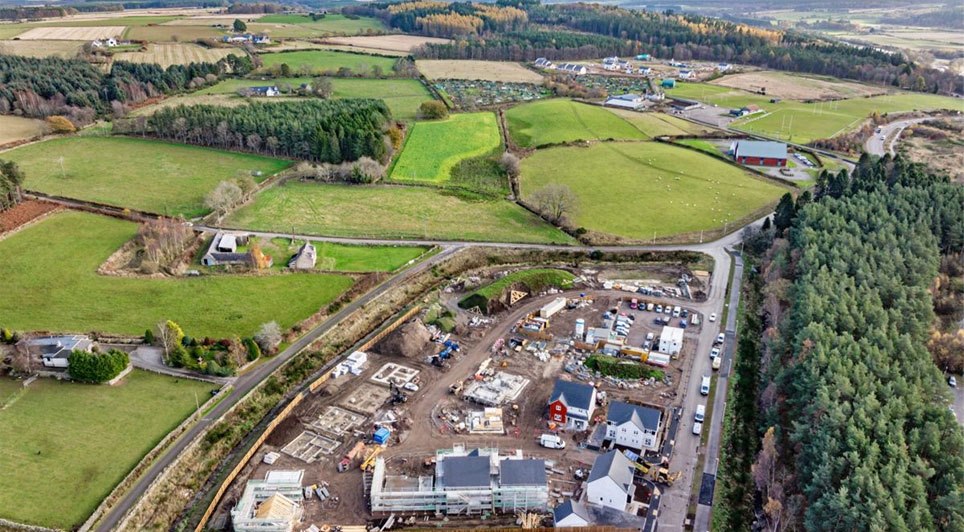
The Scottish-based manufacturer operates two advanced facilities that pair automated production with experienced technical and factory teams to deliver precision-engineered timber frame systems for developments across Scotland and England. The company has refined this approach over more than four decades, and argues it is increasingly pertinent as capacity constraints bite.
Skills England's latest assessment underlines the scale of the challenge, projecting that employment across 30 priority construction occupations may need to rise by 493,000 between 2025 and 2035. On top of that, an estimated 595,000 workers could need replacing over the same period as people exit the sector.
While recruitment and training remain vital, Deeside Timberframe contends that boosting housing output will also depend on deploying skills differently and more efficiently.
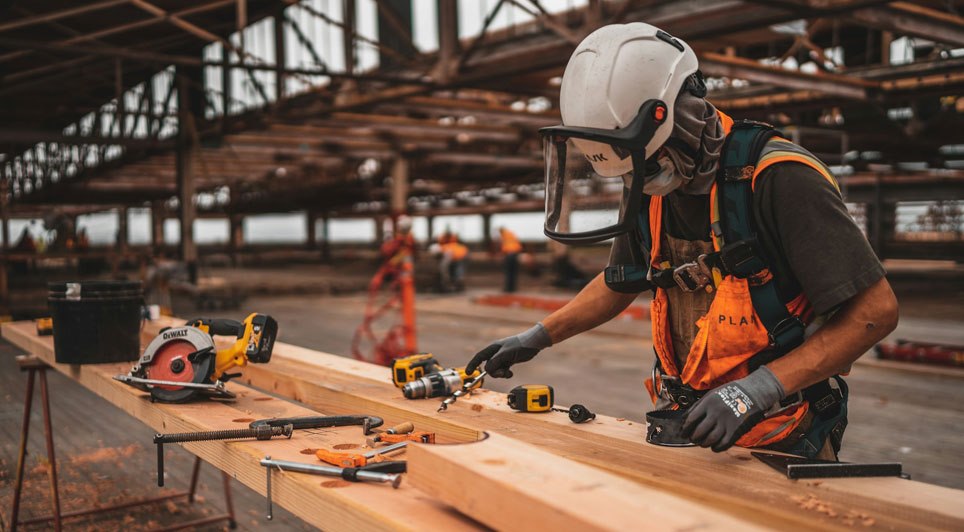
Traditional, sequential site-based construction relies on many trades working in the open, leaving projects exposed to weather, labour availability and programme risk. Moving a large share of structural work into controlled factory environments allows automated equipment, skilled operatives and repeatable processes to work in tandem.

Deeside Timberframe's digitally enabled production systems manufacture both open- and closed-panel timber frame solutions with consistent accuracy and quality. The company emphasises that automation augments, rather than replaces, human expertise.
Designers, engineers, manufacturing teams and site erectors remain central to delivery, and combining their know-how with advanced manufacturing enables structural components to be produced efficiently while reducing the volume of work required on site.
For developers and contractors, this can cut reliance on some labour-intensive site activities and support more predictable, repeatable construction programmes.
A shift towards offsite also changes the industry's skills mix. Roles in digital design, precision manufacturing, quality assurance and logistics come to the fore, creating alternative entry routes into construction and helping attract talent beyond the traditional site workforce.
Across both private and affordable housing schemes, clients increasingly seek confidence in product quality and in a manufacturer's ability to deliver consistently to demanding schedules. This is particularly relevant to affordable housing, where standardised house types and phased delivery lend themselves to manufacturing efficiencies and better use of resources.
The challenge is not simply to find more people to build homes, but to make smarter use of the skills, technology and factory capacity already available. Offsite timber frame construction is well placed to support that transition.