Scotland
 UK
UK Ireland
 London

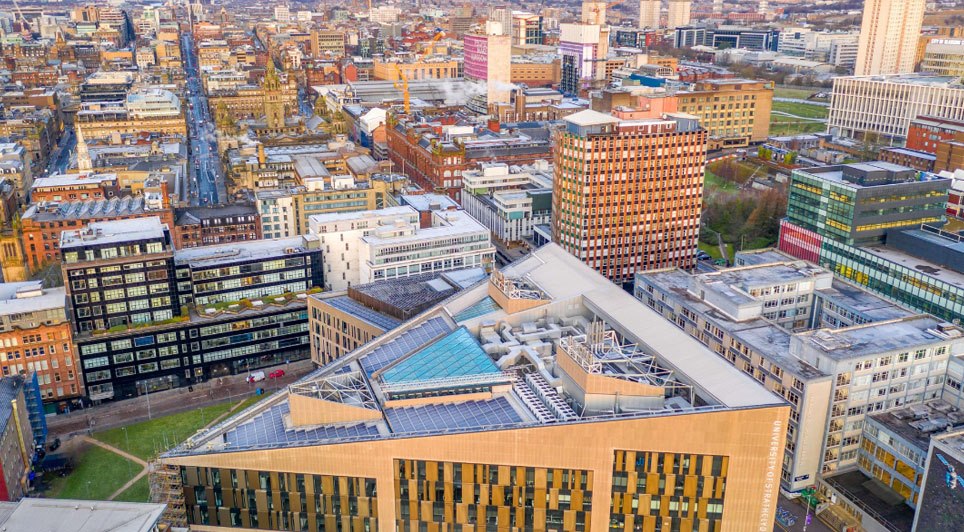
Glasgow City Council has commissioned CBRE to test how a blended public–private investment vehicle could tackle viability challenges that are holding back projects in the city centre. The work supports the council's wider plan to attract investment and raise the city centre's residential population to 40,000 by 2035.
CBRE will work with economics, policy and strategy consultancy Mandala Partners to assess funding models that combine public and private capital to bridge viability gaps and support delivery. Drawing on CBRE's knowledge of Glasgow's property market, its relationships with developers, investors and the public sector, and its experience advising on impact funds elsewhere in the UK, the team will set out how an Impact Fund could be structured and financed.
The review will look at approaches used by local and regional authorities across the UK to identify a model suited to Glasgow's needs and the Scottish funding context. While the initial focus is the city centre, any future fund could be scaled to cover a wider area.
The business case is being prepared in line with HM Treasury's Green Book guidance and is expected to be completed by the end of 2026. A steering group of elected members and senior officers at Glasgow City Council will oversee delivery.

Developing the business case is the first step in evaluating whether a growth fund should be established. Any decision on creating a fund, and how it would be designed, will be taken by the council after it considers the business case.
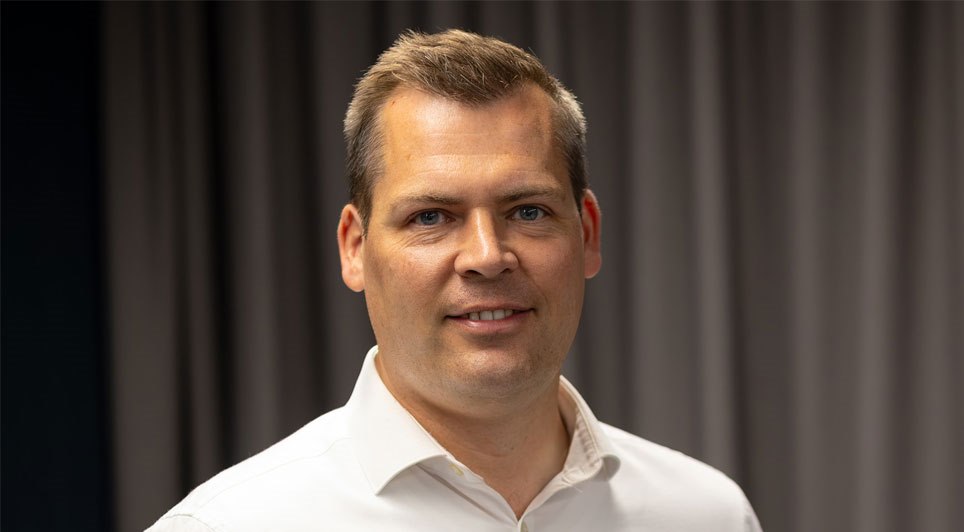
David Smith, Executive Director at CBRE, said: "Glasgow has the ambition and development opportunities to deliver substantial change across the city, but viability gaps continue to prevent that potential from being realised. A well-designed impact fund could be a catalyst for delivery, helping projects move forward and attracting the private investment needed to deliver new homes and meaningful regeneration.
"Glasgow City Council is taking a proactive approach to addressing these barriers, recognising the opportunity for new funding models to support the city's growth. Commissioning this business case is an important first step. Strong partnerships between the public and private sectors will be central to that effort, bringing together the council's ambitions with the capital and expertise of developers and investors to help make projects viable.
"Our experience advising on impact vehicles elsewhere, most notably in Greater Manchester, has shown how targeted public investment can stimulate development and attract private capital. We will bring that experience together with our knowledge of Glasgow to develop a robust business case and assess how a fund could best support the city's growth."
Councillor Ruairi Kelly, Depute Leader and Convener for Housing and Development at Glasgow City Council, said: "We are constantly looking for new and innovative ways to unblock some of the issues facing potential development in Glasgow city centre and beyond. Developers are often faced with financial viability gaps when developing new buildings and repurposing heritage properties in the city centre, and the business case to be developed by CBRE will allow us to approach the Scottish and UK Governments to advocate for support and the creation of an Impact Fund for the city.
"This model has been shown to be successful elsewhere - similar funds have brought in well over £2 billion of private and public funding, and there is no reason we should not aim for this and more."