Scotland
 UK
 Ireland
 London


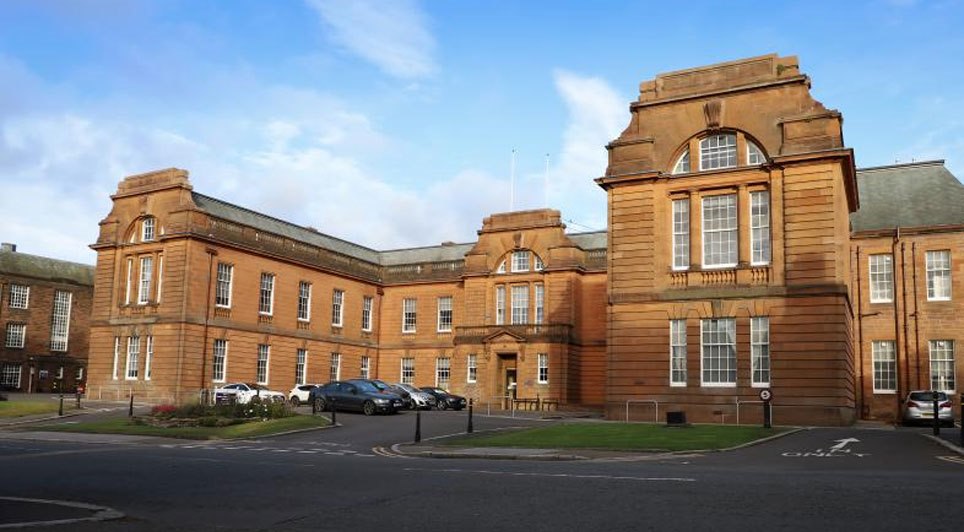
Dumfries and Galloway Council has agreed the next phase of actions following an independent review into how it manages bridges and other structures.
At today's Economy and Infrastructure Committee, councillors noted the review's conclusions, acknowledged improvement work already in train, and endorsed immediate and short-term measures to be carried out on a risk-prioritised basis.
Members asked officers to bring an update report to the committee's next meeting in February. A further paper is due in June covering progress to date, staffing, funding requirements and proposals for the longer-term management of the council's bridges and structures portfolio.
The council appointed engineering and infrastructure consultancy Jacobs to conduct an independent assessment of its approach and to recommend improvements.
The findings, including areas that were critical of the council, were published alongside the committee papers.
Improvement activity is underway. Additional inspectors have been brought in, and a Chartered Senior Bridge Engineer is leading a structural review programme that sets out which structures require assessments and the order of priority. Work is also progressing to strengthen inspection records and procedures and to deliver specialist training for staff.
A review of the service structure and a recruitment plan are being developed to tackle staffing pressures and reduce dependence on temporary support.
Across Dumfries and Galloway, the council is responsible for 1,558 structures, including 687 road bridges, as well as footbridges, culverts, retaining walls and a weir.

Jacobs assessed the council's arrangements against the Scottish Collaboration of Transportation Specialists (SCOTS) Asset Management Framework and relevant national standards, drawing on inspection data dating back to 2017/18.
The review found the council has adopted the framework's principles and understands its duties as a local roads authority, but it is not fully meeting several of the framework's requirements.
According to the findings, inspection programmes are not being completed on time, and there are gaps in structural assessments.
Improvements are also needed in records, long-term maintenance planning, monitoring of progress, and the identification and management of risks.
The main causes highlighted were longstanding shortages of staff and resources, challenges in recruiting and retaining experienced specialists, disruption linked to the Covid-19 pandemic, and major unplanned projects, including Kirkcudbright Bridge.
Jacobs compared a sample of 39 of the council's 1,558 structures with the council's inspection records. In most cases, records reasonably reflected the condition of the structures, but there were significant differences at six.
The checks also identified defects that had developed since previous detailed inspections. These affected 18 structures, with the additional defects at four considered significant.
The review further found significant weaknesses in the council's central records system, including incomplete records and difficulties finding and tracing inspection information.
Councillor Andy Ferguson, Chair of the Economy and Infrastructure Committee, said: "The independent review set out difficult but necessary findings. Members have now considered them and agreed how progress will be monitored and scrutinised.
"Work to address the issues is already underway, and I remain clear that every recommendation must be addressed. The focus now must be on delivery, with clear evidence of what has been completed and what remains outstanding.
"Publishing the review openly was important. We must now show the same openness in reporting progress."
Recommendations include completing overdue inspections, improving records and risk management, and planning structural reviews, assessments and checks on erosion risks around bridge foundations.
Longer-term work includes staff training and development, better use of digital records, planning future maintenance and investment, and closer collaboration with neighbouring councils.
Councillor Tony Berretti, Vice-Chair of the Economy and Infrastructure Committee, said: "Bridges connect our communities, helping people reach work, school and essential services and supporting local businesses.
"Elected members will expect a clear account of what has been completed, what remains outstanding and what further decisions are needed. The committee will continue to scrutinise progress."