Scotland
 UK
 Ireland
 London


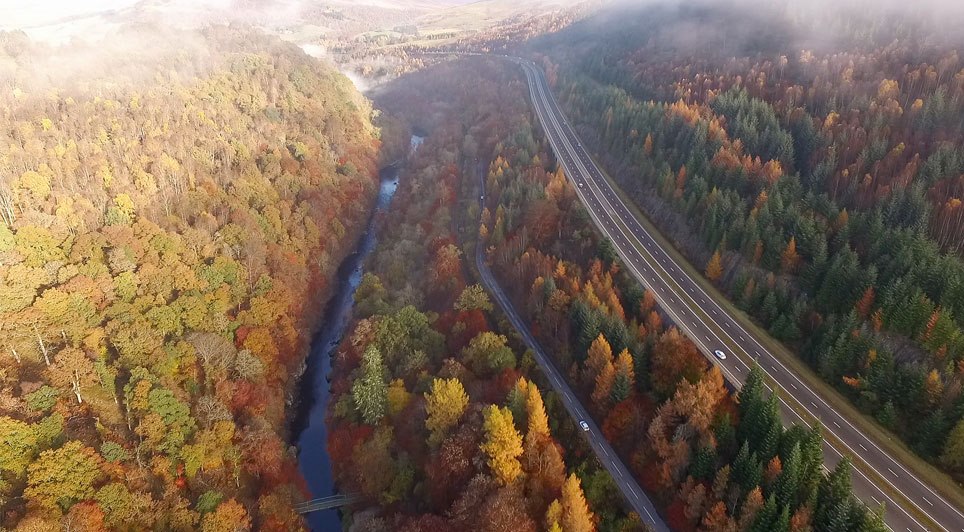
Preparatory activity for dualling the A9 between Pitlochry and Killiecrankie is accelerating, with tree felling now under way following the announcement of the intention to award the main construction contract.
A separate contract awarded to Geo Rope Limited earlier this month will see tree felling and vegetation clearance start in the week commencing 10 November, continuing through to March 2027. Residents and motorists can expect to see operations along the route during this period.
This follows earlier risk-reduction measures, including archaeological investigations and demolition of vacant buildings. These steps inform contractors, manage environmental considerations and support efficient delivery of the main works.
Because ecological and bird nesting constraints limit when trees can be felled, undertaking this clearance now is crucial to keeping the A9 Dualling Programme on schedule.

Joel Morrison, Project Manager at Transport Scotland, said: "The commencement of tree felling work kicks off an exciting phase for the A9 Dualling Pitlochry to Killiecrankie project, with the award of the main construction contract expected in the coming weeks. Undertaking tree felling works now helps to keep our programme on track as we move towards the main construction phase."
"Traffic management is likely to be required for periods during the works to protect both road users and the workforce. We will work closely with our contractors to help minimise disruption wherever possible and keep local communities and road users informed ahead of restrictions being implemented."
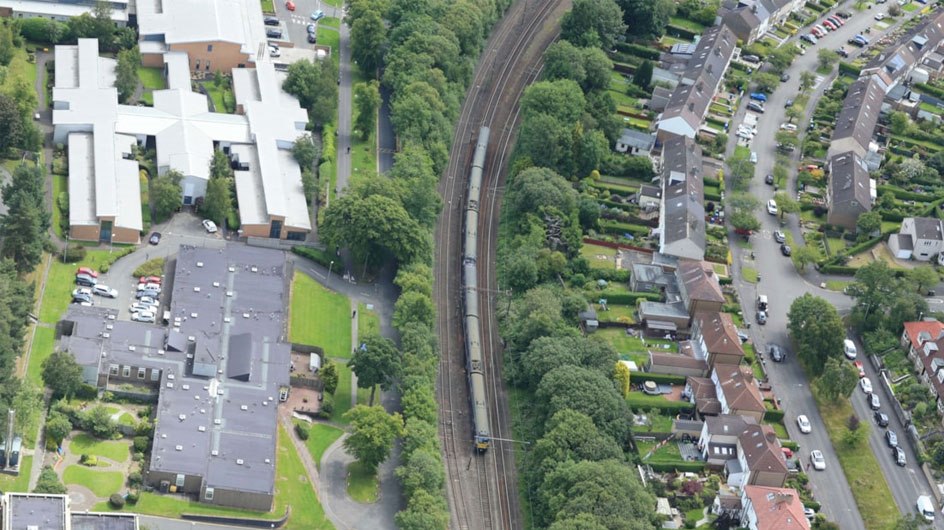
Niall McLean, Director, Geo-Rope Ltd added: "This advance felling is an important first step towards dualling the A9 between Pitlochry and Killiecrankie. Much of the work is next to the live road, the Highland Main Line and the River Tay, so our focus is on carrying it out safely, with care for the local environment and as little disruption as possible.
"As a Highland-based company, we're pleased to be working in the area, and we'd like to thank local residents and road users in advance for their patience while the works are under way."
Woodland loss has been limited through careful design, with extensive compensatory planting planned where impacts cannot be avoided. All necessary statutory consents for the project have been secured.
While construction will have some unavoidable short-term effects on woodland, the planting programme will establish new woodland corridors over time, reconnecting habitats and enhancing the local environment for future generations.