Scotland
 UK
UK Ireland
 London

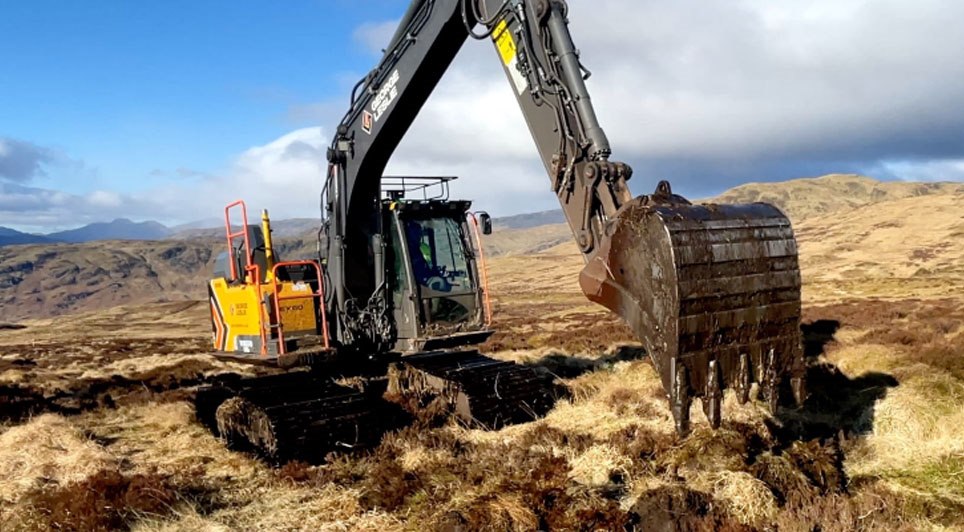
Scottish Water says its net zero drive is benefiting nature, water quality and resilience, with hundreds of hectares restored, emissions avoided and clean energy output rising.
The utility reports that work to enhance the equivalent of more than 1,000 football pitches is delivering improvements for biodiversity, source water protection and climate resilience.
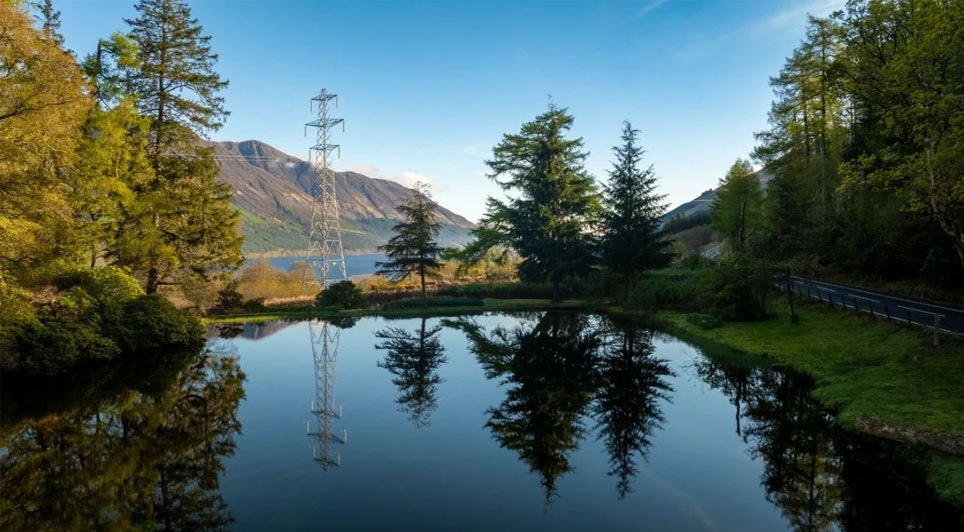
In 2025/26, large-scale peatland restoration and native woodland creation at sites including Loch Katrine and Backwater Reservoir helped nature recover across 733 hectares while safeguarding key drinking-water catchments from the effects of a warming climate.
Together with on-site renewable energy schemes, these efforts helped avoid 10,000 tonnes of carbon emissions – comparable to more than 2,700 return flights between Glasgow and Tokyo.
Scottish Water's latest Net Zero Routemap annual update outlines how climate action is being embedded across operations, infrastructure and land management – from habitat restoration and green power generation to the adoption of lower-carbon technologies – reducing emissions while delivering lasting benefits for people and places.
Elise Cartmell, General Manager for Net Zero at Scottish Water, said: "The transition to net zero is about much more than reducing carbon emissions. It's about helping create a more resilient, sustainable and flourishing Scotland. The benefits we're already seeing across our land, assets and communities show why this work matters and why we must continue to build on that progress."

Operational efficiency also improved, with around 4.5 GWh of energy savings and 3.88 GWh of renewable electricity generated over the year – enough to power roughly 3,000 homes annually.
The company expanded use of Hydrotreated Vegetable Oil (HVO), a lower-carbon diesel alternative, by installing dedicated fuelling stations in Glasgow, Inverness and Edinburgh to support vehicles and equipment not yet suitable for electrification due to load and distance requirements.
Elise Cartmell, General Manager for Net Zero at Scottish Water, said: "Our net zero programme is continuing to deliver benefits across the environment, our operations and the communities we serve.
"From restoring peatlands and expanding native woodland to generating more renewable energy, we're helping tackle climate change while supporting biodiversity, improving water quality and strengthening resilience to the impacts of a changing climate.
"These projects demonstrate that climate action can deliver multiple benefits for Scotland, both now and in the future."
The update also recognises the increasing complexity of the journey ahead, with future cuts relying more on hard-to-abate emissions linked to water and wastewater treatment processes, treatment chemicals and broader supply chains.
Elise said: "The next phase of the journey will be more challenging as we focus on emissions that are harder to abate.
"We've already demonstrated that meaningful reductions can be achieved across our operations, our land and the way we invest in new infrastructure. Since 2021, we've substantially lowered the carbon intensity of our investment programme, with lower-carbon design, materials and construction methods now embedded across project delivery.
"The challenge now is to build on that progress by tackling emissions associated with treatment processes, chemicals and wider supply chains. Reducing these emissions will require new technologies, continued innovation and close collaboration with partners across the sector, but we're continuing to build the knowledge, capability and partnerships needed to meet that challenge."
Scottish Water says it will continue to invest in research, innovation and low-carbon solutions to accelerate progress to net zero while delivering wider environmental, social and economic benefits.
Elise added: "The transition to net zero is about much more than reducing carbon emissions. It's about helping create a more resilient, sustainable and flourishing Scotland. The benefits we're already seeing across our land, assets and communities show why this work matters and why we must continue to build on that progress."