Scotland
 UK
UK Ireland
 London

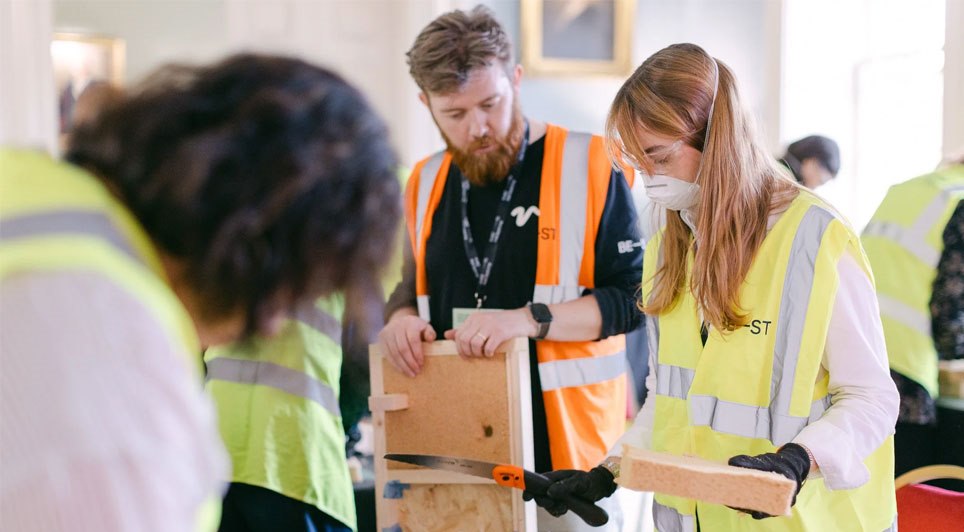
Energy Skills Partnership (ESP) and Built Environment – Smarter Transformation (BE-ST) have agreed a formal strategic partnership to deepen collaboration between Scotland's colleges, employers, industry and innovation partners, building the skills and capacity needed for a just transition across the built environment.
The agreement brings together two organisations funded by the Scottish Funding Council (SFC), united by a commitment to support progress towards net zero in construction, retrofit and the broader energy transition.
By coordinating skills engagement and activity, the partners aim to pinpoint opportunities to work together, minimise duplication and maximise the impact of existing investment and expertise.
ESP is the college-sector agency set up to coordinate a collaborative response to national and regional skills needs across the energy transition. It works with colleges, industry and other stakeholders to understand supply and demand, optimise investment and support jobs in emerging and advanced technologies.
BE-ST is Scotland's national innovation centre for construction and the built environment. Its mission is to speed the sector's just transition to zero carbon by convening industry, academia and partners through collaborative projects, programmes and platforms.
Under the partnership, ESP and BE-ST will identify and deliver shared priorities, with a particular emphasis on skills and workforce development.

Planned activity includes mapping current and future skills needs, supporting curriculum design, and promoting upskilling and reskilling. ESP member colleges will have expanded opportunities to join BE-ST innovation programmes, access specialist expertise and facilities, and share innovative teaching practice across Scotland.
For BE-ST, the partnership strengthens engagement with Scotland's college network and will help identify new and emerging curriculum areas, particularly in low-carbon construction, energy efficiency and retrofit.
The two organisations already collaborate through the Centre for High Density Net Zero Buildings skills working group; formalising the partnership provides a framework to grow this work.
Potential joint initiatives include collaborative skills and workforce projects, funding bids, events, workshops and conferences. Existing BE-ST programmes such as the Low Carbon Passport and BE-ST Fest will also create more touchpoints between colleges, industry and innovation partners.
The partnership will further support Retrofit Scotland, BE-ST's retrofit platform designed to accelerate action by enabling collaboration, training and the exchange of best practice.
Rachel Fuller, Director of Decarbonisation (Interim) at Energy Skills Partnership, said: "Scotland's colleges are central to delivering the skills we need for the transition to net zero. By working more closely with BE-ST, we can bring the expertise of colleges together with the latest innovations and insight from industry, ensuring our skills provision keeps pace with a rapidly changing sector."
"This partnership helps us identify emerging skills needs, share knowledge and develop the skills needed to build and retrofit a low carbon future across Scotland."
Caitriona Jordan, Associate Director of Energy Efficiency and Retrofit at BE-ST, said: "The transition to a low energy built environment will require new skills, new approaches and stronger connections between education, industry and innovation. This partnership with ESP gives us an opportunity to work more closely with Scotland's colleges and make sure the skills system is connected to where the sector is heading.
"As two SFC funded organisations, by aligning our activity, sharing insight and creating more opportunities for colleges to engage with industry-led innovation, we can help identify emerging skills needs earlier and support the development of the workforce Scotland needs to build and retrofit warm, healthy and energy efficient buildings."