Scotland
 UK
UK Ireland
 London


A new Scottish Government blueprint explains how communities across the country can take a bigger role in addressing the climate and nature crisis.
The Public Engagement Strategy for Climate and Nature is designed to help people understand what climate change means for them, support local action, and ensure communities' voices influence the decisions that affect their lives.
A separate Delivery Plan, expected in spring 2027, will outline the specific activities, partnerships and commitments to put the strategy into effect at both local and national level.
With 72% of people in Scotland saying climate change is an immediate and urgent issue, the strategy seeks to turn concern into meaningful participation while strengthening preparation for impacts such as flooding and extreme weather. The launch also builds on progress to date, with Scotland's greenhouse gas emissions down 50% since 1990.

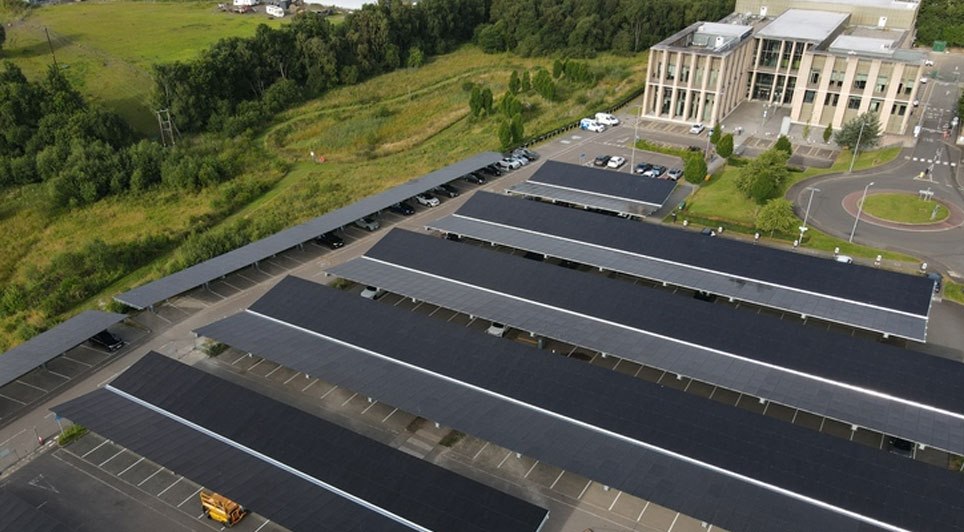
Cabinet Secretary for Climate Action and Rural Affairs Gillian Martin launched the strategy ahead of a visit to the Lapwing Lodge Outdoor Centre in Paisley to see Scottish Government-backed environmental upgrades including solar panels, battery storage and an EV charging point.
She said: "Everyone has a part to play in tackling the twin crises of climate change and biodiversity loss. Everyone also stands to benefit from doing so. People and communities are central to this, not just by making their own lives more sustainable, but by helping shape the solutions that work best for their local areas. This strategy, published during Scotland's Climate Week, is about turning that opportunity into action, and that means giving people a real say in the decisions that affect them.
"The last year has shown just how urgent and necessary climate action is. From wildfires to flooding, coastal erosion and even water scarcity, climate change is already affecting our communities, and these impacts will only become more frequent and severe. Climate Week is a chance to show what progress actually looks like, and to remind people that this is something positive we're all part of, together."
The strategy recognises the value of multiple approaches, from grassroots initiatives to national awareness campaigns. For local people, this includes practical information on protecting homes from flooding, restoring habitats such as rivers and peatland, changing travel habits or how homes are heated, and more targeted support for those most at risk from extreme weather. It also means having a say in how their area responds and fostering a stronger connection with nature close to home.