Scotland
 UK
UK Ireland
 London

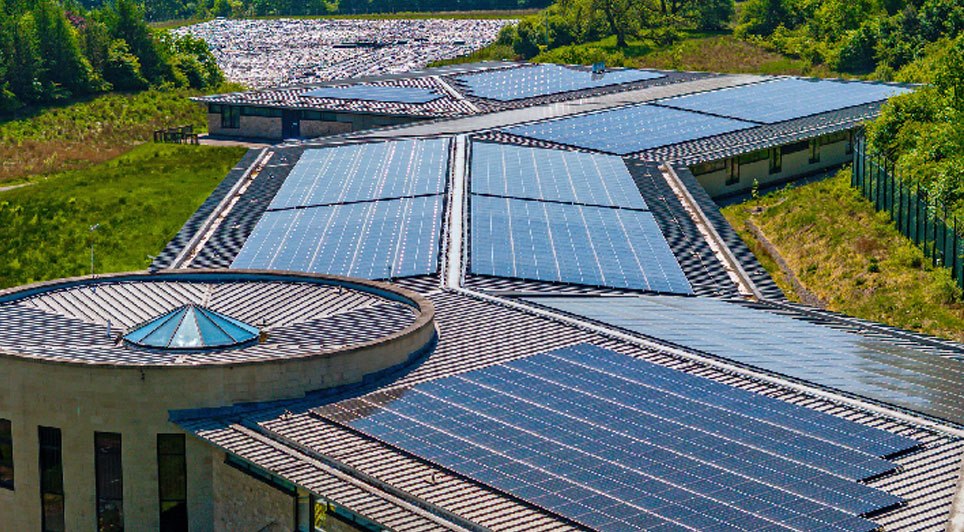
Scottish Water has achieved a major milestone in its efforts to cut carbon, curb operating costs and strengthen energy resilience with the completion of its 100th solar installation.
Panels are now supplying clean electricity at 100 sites across Scotland — including treatment works, pumping stations and operational buildings — bolstering the publicly owned utility's goal of reaching net zero emissions by 2040.
The 100th scheme, delivered at Kinneil Kerse Wastewater Treatment Works near Falkirk, adds to a growing programme of renewables projects across Scottish Water's estate.
Collectively, the installations generate around 25.1 GWh of green power each year at the point of use — roughly enough to meet the annual electricity needs of about 9,300 UK homes — cutting reliance on the grid, lowering emissions and providing long-term protection against volatile energy prices.
The programme is also being used to deliver wider environmental gains. Where suitable, schemes have incorporated enhancements such as wildflower meadows, bird and bat boxes, hibernacula for amphibians and reptiles, and other habitat improvements to support local wildlife alongside renewable generation.
Scottish Water Horizons, the utility's commercial subsidiary, leads the rollout and works with delivery partners to pinpoint, design and install projects where they can offer the greatest operational and environmental benefit.
Donald MacBrayne, Scottish Water Horizons Business Development and Delivery Manager, said: "Reaching 100 solar schemes is a really important milestone and shows just how far the programme has come.

"When Scottish Water first started installing solar panels at its sites in 2011, the schemes were smaller and more limited in scale. In recent years, we have significantly increased both the number and size of projects being delivered, supported by advances in solar technology and a growing understanding of where renewable energy can make the biggest difference.
"These schemes are helping to reduce carbon emissions, lower operational costs and make our sites more resilient. They also provide long-term value for customers by reducing our exposure to volatile electricity prices."
He added: "We're also taking every opportunity to deliver wider environmental benefits. By introducing biodiversity enhancements into suitable schemes from the outset, we're helping to restore and support local wildlife while generating clean, renewable electricity."
Welcoming the milestone, Cabinet Secretary for Climate Action and Rural Affairs Gillian Martin said: "This is a significant milestone which demonstrates how underused spaces can be transformed to generate clean, renewable electricity and help customer charges for water services go further.
"Scottish Water's growing solar network is helping to cut emissions, improve resilience and deliver long-term value for customers. Alongside work to preserve biodiversity, these projects show how climate action can support nature recovery while helping drive Scotland's transition to net zero."
Elise Cartmell, Scottish Water General Manager Zero Emissions, said: "This is a significant moment for Scottish Water and underlines how we have started to embed renewable energy into the way we deliver essential services.
"Water and wastewater treatment are energy-intensive processes, so generating more of our own green electricity on site is an important part of reducing our emissions while continuing to provide reliable services for customers across Scotland."
She added: "Our ambition goes beyond decarbonisation. Wherever possible, we're creating sites that not only generate renewable energy but also contribute to nature recovery by providing habitats for wildlife and supporting biodiversity. It's about delivering environmental benefits that last for decades.
"Solar power is one of several renewable technologies we are using as part of our wider journey to net zero, alongside hydro, wind and other innovative solutions. Reaching our 100th solar scheme is not the end point — we want to keep going further and faster."
Scottish Water has committed to achieving net zero emissions by 2040, five years ahead of Scotland's national target. Expanding on-site renewable generation and enhancing biodiversity across its estate are central to that pledge, helping to make services more sustainable while delivering value for customers.
Solar projects are already operating at locations including Milngavie Water Treatment Works, which serves more than 700,000 customers in the Glasgow area, Newbridge Wastewater Treatment Works near Edinburgh, Longman Drive in Inverness, as well as on the Isle of Bute, in the Scottish Borders and at many other urban and rural sites nationwide.