Scotland
 UK
UK Ireland
 London

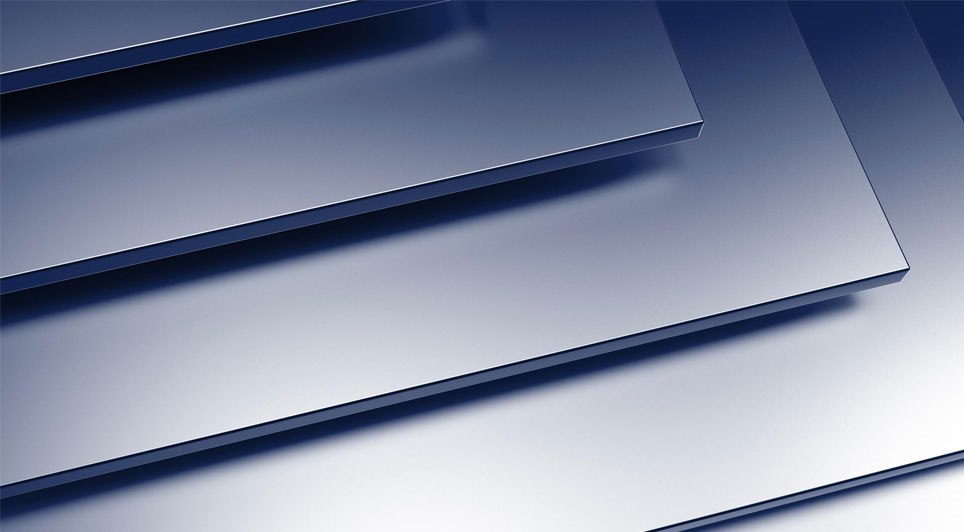
Walk around almost any town centre today and you'll spot aluminium everywhere, whether you notice it or not.
It's in the window frames, the shopfronts, the sleek curtain walling wrapped around office blocks, even the balustrades on a modern balcony. Architects reach for it constantly because it's light, strong, easy to shape, and it doesn't rust the way old iron railings do.
But there's more to it than just the raw metal. How that surface is finished matters just as much as the material itself, both for how it looks and how long it lasts. One of the most common approaches is anodising aluminium, an electrochemical process that thickens the thin oxide layer aluminium already forms naturally. The result is a tougher, more controlled finish, but one that still looks unmistakably metallic.
If you're an architect, engineer or fabricator choosing materials for a build, it's worth understanding what this process actually does and why it's become such a go-to option.
So What Actually Happens During Anodising?
Aluminium reacts with oxygen almost instantly, forming a thin protective skin the moment it's exposed to air. That skin helps a bit against corrosion on its own, but anodising takes it much further. The metal is placed into an electrolytic bath, and an electrical current is run through it to build up a much thicker oxide layer across the surface.
Unlike paint or a sprayed coating, this layer isn't sitting on top of the aluminium; it becomes part of it. The finish can be left with its natural silvery look or coloured during the process, and how it turns out depends on the specific alloy used, how the surface was prepared beforehand, and the exact anodising specification chosen.
Why Bother With It At All?
Mostly because it strikes a decent balance between looking good and standing up to daily wear. Aluminium is naturally durable, but left completely untreated, its surface can still pick up marks from weather, handling and general use over the years.
Anodising toughens that surface up, which matters most on parts of a building that stay visible and take the brunt of the weather, think window frames, entrance canopies, façade panels. Crucially, it doesn't hide the aluminium underneath an opaque layer the way paint would. For designs where the metal itself is meant to be seen and appreciated, that's often exactly the point.
The Look Of It
There's a reason anodised aluminium gets associated with that clean, contemporary aesthetic you see on newer buildings. Depending on how it's prepared, the finish can range from a bright, almost mirror-like shine right through to a soft, matt texture.
That flexibility means it pairs comfortably with glass, brick, concrete, timber, stone, whatever else is going on in the design. Sometimes it's just a discreet trim; other times it forms a huge chunk of the building's front elevation. Colour can be introduced too, with bronze and black particularly popular for architectural work, while the metal still keeps some of its characteristic sheen.
One thing worth knowing: because you can still see the aluminium through the finish, any inconsistencies, extrusion lines, small marks, differences between batches of alloy, can show up more obviously, especially across a large expanse of façade.
Where You'll See It Most
Façades are probably the biggest showcase for finished aluminium. Panels, framing, trims, whole curtain wall systems, all regularly exposed to rain, sun, pollution and constant temperature swings, so the finish needs to hold its own alongside the structural and thermal side of things.
Windows, doors and entrance systems are another obvious home for it. These get touched, cleaned and knocked about far more than most building elements, so the finish needs to cope with everyday use as well as looking sharp. A sheltered entrance tucked inside a building faces a very different set of conditions to an exposed system on a coastal site, and that's worth factoring in early.
Corrosion, Weather, and the Realities of Detailing
Aluminium won't rust like steel does, but that doesn't make it invincible. Salt, damp, pollution, even contact with the wrong metal nearby, can all cause problems over time. Coastal buildings tend to have it worst, thanks to airborne salt settling on exposed surfaces.
Anodising helps, but it's not a substitute for sensible detailing. Drainage, fixings, how joints are put together, keeping incompatible metals apart, all of that still needs proper thought. And in some locations, the finish will need the occasional clean to keep contaminants from building up.
A Few Practical Considerations
Surface finish really ought to be thought about from the start, not tacked on as an afterthought once fabrication's underway. Cutting, drilling, bending and welding can all leave marks that anodising won't disguise, since the treatment simply follows whatever surface is already there.
The alloy chosen matters too, particularly on projects pulling components from more than one supplier, since different grades of aluminium can react differently during anodising. Careful handling and storage before treatment also count, as scratches or contamination picked up early on tend to show through later.
Keeping It Looking Right
Maintenance mostly comes down to routine cleaning rather than anything more involved, no repainting required. Removing built-up grime helps preserve the finish, especially outdoors. Just steer clear of harsh chemicals or abrasive cleaning methods, which can damage the surface rather than refresh it.
Ultimately, anodised aluminium earns its place in modern architecture by combining what aluminium already does well with a finish that's genuinely built to last. Get the alloy, preparation, environment and upkeep right from the outset, and it's a material that holds up beautifully for years.