Scotland
 UK
UK Ireland
 London

A new National Lottery-funded pathway programme is enabling cultural and creative organisations across Scotland to adapt the buildings they own to the impacts of climate change.
Co-designed and managed by Creative Scotland and public sector infrastructure body the Scottish Futures Trust (SFT), the fund is awarding eight organisations a combined £347,520 for practical works that strengthen climate resilience and generate learning to guide future investment in Scotland's cultural and creative estate.
The programme targets measures that help properties withstand heavier rainfall, stronger winds, rising temperatures and increasingly volatile weather patterns.
Launched in February 2026, it attracted strong interest from across the sector, receiving 38 expressions of interest from 37 organisations spanning 19 local authority areas. Following a competitive two-stage process, 16 organisations were invited to submit full applications, with eight projects selected for support.
The successful projects reflect the breadth of climate risks facing the cultural estate and the practical steps being taken to keep venues safe, welcoming and operational for artists, audiences and communities. Many are already dealing with day-to-day challenges such as studios becoming too cold or too hot to use, damp, damaged access routes and drainage under pressure from heavier rainfall.
The funded projects are:
• Community Circus Paisley, Renfrewshire – £11,200: An automatic accessible entrance door will reduce exposure to increasingly extreme temperatures, wind and rainfall, helping keep the building comfortable, accessible and usable during changing weather conditions.
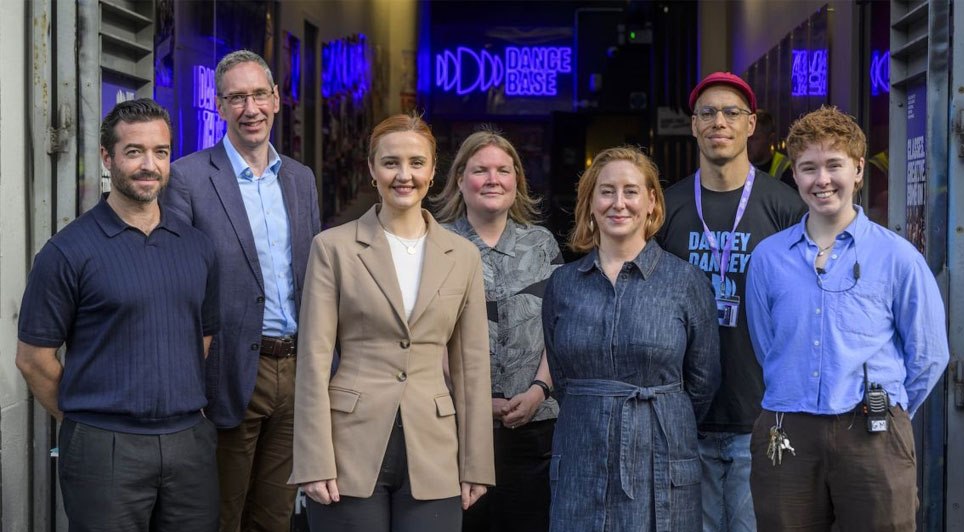
• Dance Base, Edinburgh – £57,556: Draught-proofing, insulation and heating upgrades will help manage increasingly variable internal temperatures and keep studios comfortable and usable for dancers, artists and participants.

• The Highland Council with Eden Court, Inverness – £69,600: A heat transfer system will address overheating in the cinema projection room and cold conditions in adjacent studio space, supporting more stable temperatures and continued use.
• Scottish Historic Buildings Trust with Ingleby Gallery, Edinburgh – £79,994: Basement works at the Glasite Meeting House will tackle moisture, damp and water ingress linked to heavier rainfall, reducing risks to the building fabric and gallery use.
• WHALE Arts, Edinburgh – £50,500: Rainwater harvesting will help the organisation respond to heavier rainfall and periods of water scarcity, boosting the resilience of a community-owned arts centre.
• Bothy Project – Sweeney's Bothy, Isle of Eigg – £4,506: New drainage will protect the access path from increasingly wet weather, frost and surface water damage, supporting safe year-round access to the remote artist residency.
• Dundee Rep and Scottish Dance Theatre, Dundee – £24,145: Window protection works will strengthen the listed building's original glazing against increased storm exposure, wind and temperature fluctuations, helping maintain safe use of the venue.
• Forgan Arts Centre, Newport-on-Tay – £50,020: Roof and rainwater goods improvements will help the building cope with more intense and prolonged rainfall, reducing water ingress and supporting continued community arts use.
Culture Secretary Màiri McAllan said: "As climate change brings more frequent extreme weather to Scotland, we are feeling the impacts of conditions such as floods, droughts, wildfires and accelerating coastal erosion.
"Adapting cultural buildings to these conditions is an important part of safeguarding Scotland's heritage, economy and community wellbeing.
"This fund will help preserve vital spaces for creativity, culture and community – to ensure they are more resilient to our changing climate, and can thrive for generations to come."
Marc Cairns, associate director at the Scottish Futures Trust (SFT), said: "Climate change is already affecting Scotland's cultural and creative buildings, from increased rainfall and damp to overheating and temperature fluctuations.
"Through this pilot, SFT has been working with Creative Scotland to help organisations take practical action now, while generating valuable learning to inform future investment in Scotland's cultural estate. These projects demonstrate that adaptation can take many forms – from improving drainage and making gutters and downpipes bigger to reimagining approaches to heat and introducing better ventilation.
"Together they will help ensure cultural spaces remain open, accessible and resilient for the communities that depend on them."
Karen Ridgewell, Climate Emergency & Sustainability Lead at Creative Scotland said: "It's clear that the changing climate is already impacting cultural and creative organisations and their communities.
"These eight pathfinder projects will respond to climate risk in their own unique way, and the lessons learnt from them will be impactful and far reaching.
"They highlight the increasing need for us all to adapt to the impacts of the changing climate. We're grateful to everyone that submitted an Expression of Interest and Stage 2 application and look forward to sharing the findings of the monitoring and evaluation of the project to further develop the future of climate adaptation in the culture and creative sector."