Scotland
 UK
UK Ireland
 London

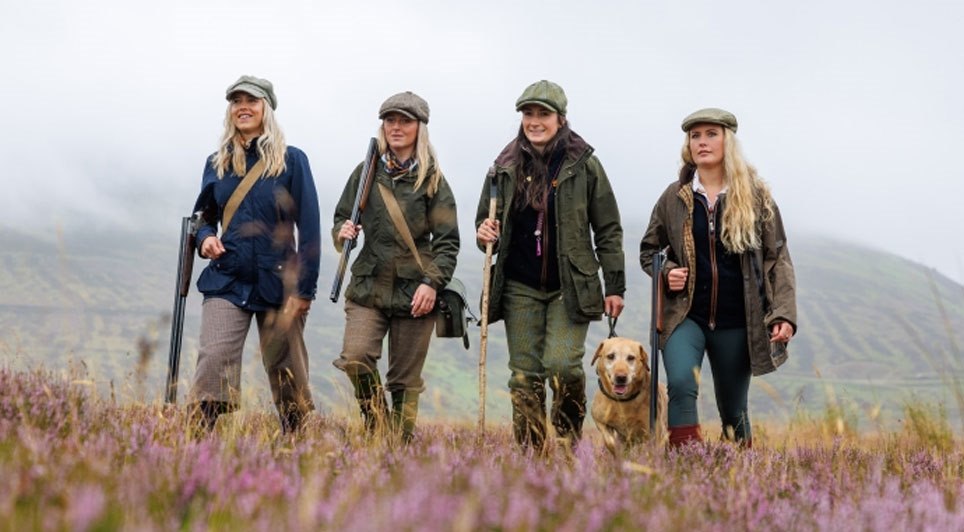
Seven estates across the Angus Glens delivered £6.6m of economic activity last year while underpinning rural employment, local supply chains and conservation projects, according to a new report published by the Angus Glens Moorland Group and Scottish Land & Estates.
The study provides the first full assessment of the economic, environmental and social outcomes from moorland management on the seven participating estates during 2025.
Released as policy focus intensifies on rural resilience, nature recovery and wildfire prevention, the findings indicate that active moorland management in the Angus Glens is already producing tangible benefits across all three areas.
Headline figures show 86 full-time roles and 768 seasonal positions were supported, alongside 68 homes for people working in rural areas. Annual spend totalled £6.6m, including £3.66m on wages and £2.94m with contractors, goods and services.
Of that procurement spend, 82.5% went to local firms, highlighting the contribution estates make to nearby businesses.
During the 2025 season there were 84 grouse shooting days, with an average of 54 seasonal staff needed per shoot day, per estate — underlining the sector's importance for temporary work in the region.
Biodiversity monitoring points to a rich and varied ecosystem. On one estate alone, detailed surveys recorded 102 bird species, 145 species of butterfly and moth, 19 mammals and 146 plants.
Birds of prey are widespread across the landholdings, with 16 raptor species identified. The most commonly observed — White Tailed Eagle, Golden Eagle, Buzzard, Red Kite, Peregrine Falcon and Kestrel — were seen on every estate.
Key upland species such as Curlew, Black Grouse, Skylark, Lapwing and Oystercatcher are also present in significant numbers. Given their national declines elsewhere in the UK, the report argues that well-managed upland habitats are vital for breeding success.

Ross Ewing, Director of Moorland & Strategic Projects for Scottish Land & Estates, commented: "Upland estates in the Angus Glens are creating jobs, providing homes for rural workers, supporting local businesses and enhancing the natural environment.
"With the right support, the Angus Glens can continue to be a stronghold for biodiversity, a driver of economic activity and a model for integrated land management."
Dawn Black, MSP for Angus North and Mearns, said: "This report demonstrates the enormous contribution that responsible moorland management in the Angus Glens makes to rural Scotland. The estates featured support local jobs, provide housing, sustain local businesses, invest in biodiversity and help maintain some of our most iconic upland landscapes. The evidence presented here shows that these are not single-purpose enterprises, but multi-functional landholdings delivering real benefits for people, rural communities and nature."
Iona McGregor, Regional Coordinator of the Angus Glens Moorland Group said: "This is the first time we have produced a full report on how integrated land use provides this range of benefits for wildlife, recreation, the economy and rural livelihoods.
"Many people have the impression that all the land is dedicated to country sports but in fact a wide range of activities are undertaken, from woodland creation to biodiversity enhancement, farming and sustainable tourism. This varied land use provides opportunities for job creation and helps ensure the right balance of economic activity with active conservation and community access for leisure pursuits."
Local supplier perspectives are also captured. Steve Mitchell of Maryton Garage near Kirriemuir said: "The estates here are fantastic for the area, loads of local businesses benefit. We service all the estate vehicles, the gamekeepers' vehicles and 4x4s for guests who come for the shooting season. It's a big part of our business."
In total, the participating estates manage 54,715 hectares. Investment in track maintenance reached £114,087 in 2025, supporting day-to-day land management, emergency access, recreation and external research.
The report highlights extensive partnership working, with dozens of schools, charities, community groups and organisations using the land for leisure, education and training, research and wildlife monitoring — including ecological projects led by four Scottish universities.
A collaboration with Strathmore RFC has now entered its third year, with game from the estates served as part of the club's hospitality offer and post-match meals. Over the past two seasons, 1,519 game dishes have been served.
Ross Ewing continued: "We will discuss the report with policy-makers and members of the Scottish Parliament in the coming months and look forward to engaging with them on the issues raised.
"The message from land managers is that they can continue to deliver these benefits for the environment and the economy, as long as the policy direction is clear and there is backing for practical measures which have proved successful – such as wildfire prevention practices and habitat management. The opportunity now is for decision-makers to recognise this contribution and build on best practice. This is a shared opportunity to develop Scotland's strengths for the future."
The full report — Moorland Management in the Angus Glens: Economic, Environmental and Social Impacts from 2025 — and its executive summary can be accessed at: www.scottishlandandestates.co.uk/moorland-management-angus-glens-economic-environmental-and-social-impacts-2025