Scotland
 UK
UK Ireland
 London

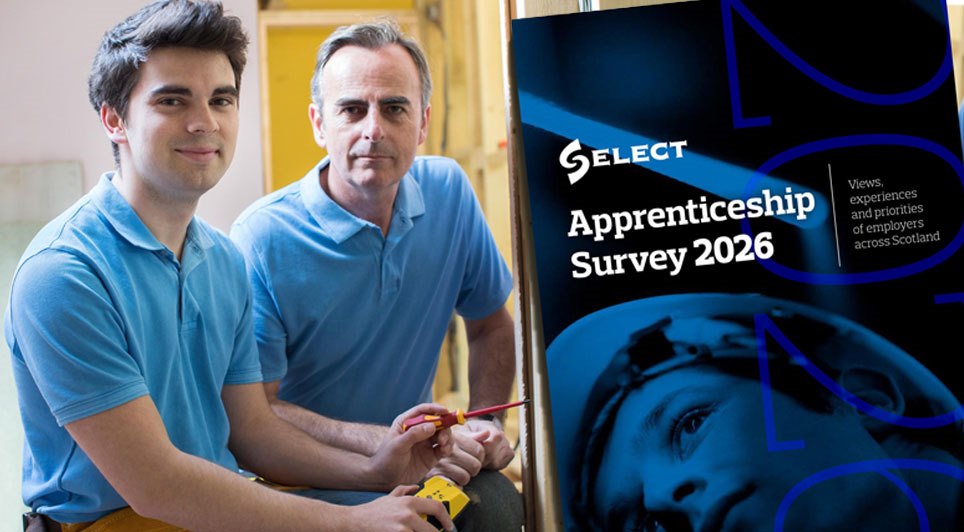
High wage bills and a lack of employer funding are the biggest barriers to recruiting apprentices in Scotland's electrical sector, according to a new SELECT Member survey of firms across the country.
In the poll, 52% of respondents cited this financial double hit as the main reason for not taking on an apprentice or adult trainee.
A total of 87% described current government support as inadequate or very poor. Looking ahead, 21% said they do not plan to employ an apprentice over the next three years, while 53% said they would be encouraged to recruit again only if funding support increased.
One Member told the survey: "The employer funding we get compared to other construction trades is pitiful, despite the high amounts we contribute."
Another said: "This is the first time in 13 years that we won't be taking on an apprentice due to the combined impact of wage increases, National Insurance and pensions."
And a third added: "More help with employer funding is essential. With wages increasing and the time apprentices spend away at college, it's a massive outlay for any business."
The association ran the survey to gather Member views and present an up-to-date picture of the Modern Apprenticeship in Electrical Installation. Among the headline findings were that 67% believe the cost of funding should be shared equally between employers and government, 65% would back a training levy to support electrical installation apprenticeships, and 56% are willing to engage local politicians to raise awareness of apprenticeship issues.

Members were positive about delivery partners: 78% rated their experience with the Scottish Electrical Charitable Training Trust (SECTT) as good to excellent, and 79% gave the same rating to the quality of education provided by colleges and training centres.
On programme design, 86% felt the current four-year apprenticeship model is the right length, and 57% said the existing Modern Apprenticeship should be the sole route into the industry.
One respondent said: "The current route is the only one that has any value in producing trained electricians. Too many people are doing online or six-month courses and then calling themselves an electrician."
Another Member agreed, adding: "There should be only one training body. The new private training centres churning out fast-track 'electricians' are destroying the quality in the industry."
Respondents also offered forthright feedback on other aspects of the system. One contractor said: "Apart from sorting wage rates, a requirement should be introduced that an apprentice has to remain with an employer for two years after qualifying."
Another respondent told the poll: "My main problem with apprentices is trying to get them to listen and learn – the mobile phone seems to be the main priority."
Sharon Miller, SELECT Managing Director, said: "These findings echo our own warnings and ongoing feedback from Members that the cost of recruiting apprentices and adult trainees is becoming a big disincentive for employers.
"Industry already makes a significant cost contribution to apprenticeships in Scotland, employing and paying apprentices from day one, so it is really worrying to see contractors say they are unlikely to employ a learner solely due to the outlay involved.
"Without apprentices coming through the ranks and being comprehensively trained, there simply would be no electrical industry in the future, with all the implications that would have for our wider society.
"We know that Scottish Government is currently reviewing contribution rates, so there is a clear opportunity to create a win-win. By increasing apprenticeship numbers and funding for the next five years, government could tackle both youth unemployment and the construction skills crisis, which in turn will increase economic growth across Scotland.
"We will therefore continue to work hard behind the scenes on our Members' behalf, speaking to government to drive a more positive approach to funding which is crucial if businesses are not to be discouraged from investing in our future skills base."