Scotland
 UK
UK Ireland
 London

Scotland's rapid expansion of renewable power has diversified the country's energy mix. The next phase, according to Zero Waste Scotland, is to lead on circularity by building the innovative decommissioning and recovery systems that are still emerging elsewhere. The organisation has been researching how a nationwide approach to product stewardship could deliver this, with findings due later this year.
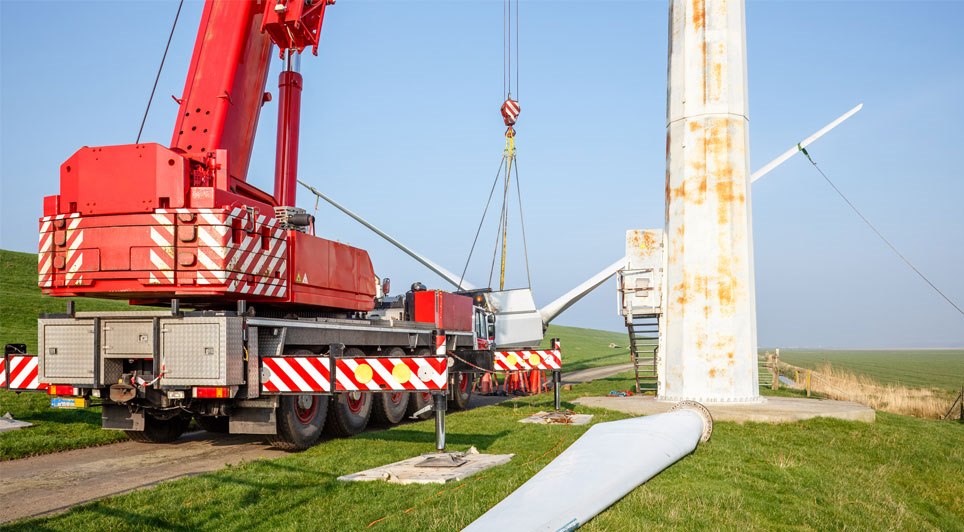
Most renewable infrastructure has a 20–30 year lifespan, meaning a significant volume will reach end of life between 2030 and 2050. That creates scope for a thriving second-hand market, where refurbished equipment can operate for a further 8–10 years, either in Scotland or exported to regions where renewable rollout is gathering pace.
Analysis indicates that if the UK develops capability to refurbish just ten common wind turbine components, it could tap a Europe-wide market worth almost £10 billion to UK GDP between 2025 and 2035, support more than 20,000 full-time equivalent jobs and prevent over 800,000 tonnes of parts from being scrapped (Source).

Decommissioning will also release large quantities of valuable materials such as steel, aluminium and glass, alongside harder-to-handle streams including fibreglass, silicon, chemicals and plastics. At present, technical challenges and waste classifications can make disposal the simpler or cheaper route.
With virgin resources becoming scarcer globally, Scotland has a critical window to standardise new recycling processes, drive circular product design and consider legislative options. Done well, this can transform decommissioning from a cost on businesses and the public purse into a net economic gain while strengthening material resilience.
Modelling suggests the annual in-year value of recoverable materials from solar panels alone could rise from about £180,000 in 2026 to £1,947,000 in 2036, peaking at £23,544,000 per year by 2057 (Source: Photovoltaic Panels in Scotland: Product Assessment Report, due to be published September 2026).
Zero Waste Scotland's forthcoming reports will set out practical steps for the sector. Mapping Wind Turbine Infrastructure: A Product Stewardship Approach examines how to capture more value through reuse, repair, remanufacture and recycling as decommissioning accelerates. Photovoltaic Panels in Scotland: Product Assessment Report explores the opportunities, challenges and future needs for material recovery and recycling as solar assets reach end of life.