Scotland
 UK
UK Ireland
 London

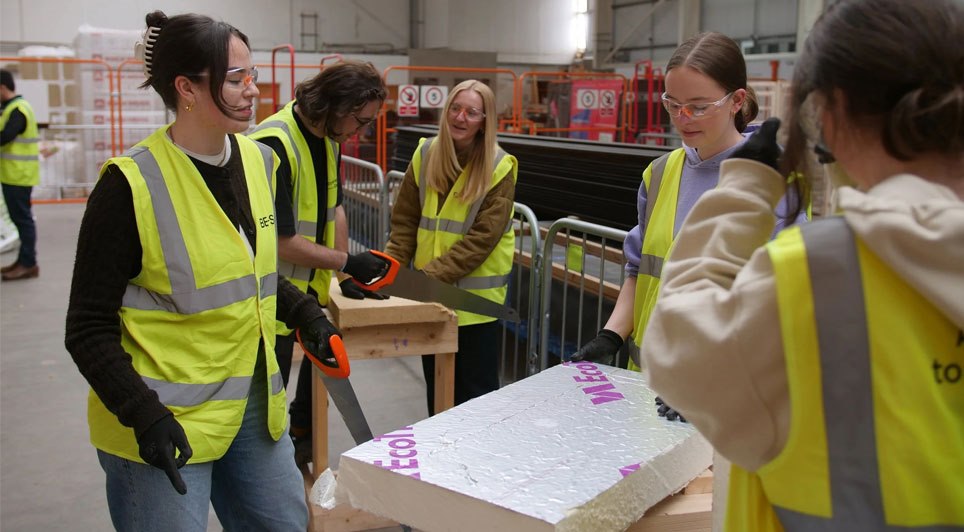
BE-ST is leading a new research project to explore how Scotland can develop the workforce needed to support the decarbonisation of domestic heating.
The project, being delivered in partnership with Skills Development Scotland (SDS), builds on the organisations' earlier Pathways to Productivity report, published in March 2026, which examined how the Scottish construction sector can improve productivity by attracting, recruiting, developing and retaining skilled workers.
The report highlighted the need to strengthen the pipeline of new entrants into the construction and built environment workforce to help meet Scotland's housing and net zero ambitions. One of its key findings identified strong employer interest in alternative entry routes into occupations supporting the transition to low-carbon heating and cooling technologies.

The new research will examine whether additional pathways into domestic heat decarbonisation roles could help increase workforce capacity while maintaining competence, quality and safety. It will produce an independent evidence base to support future discussions between industry, government and skills partners, assessing a range of potential workforce models rather than recommending a single approach.
The study will examine current entry routes into domestic heat decarbonisation roles, review international approaches, explore how different pathways could affect workforce supply and the time required to achieve competence, consider models including work-based learning and structured competence development, and identify the skills, knowledge and assurance requirements needed to maintain high standards of safety and consumer confidence.
The findings are intended to help inform future workforce planning as Scotland expands the deployment of low-carbon heating technologies.
Douglas Morrison, Deputy CEO at BE-ST said: "Pathways to Productivity identified a clear appetite from many employers to explore different ways of bringing people into the workforce, particularly in areas where demand is expected to grow rapidly.
"This next phase of the research will build on what was found and provide an independent evidence base to help industry, government and skills partners understand what options could be available, what the trade-offs are, and what would be needed to ensure competence remains central to any future approach so that Scotland is making informed decisions about how we develop the workforce needed for the transition to low carbon heating."