Scotland
 UK
UK Ireland
 London

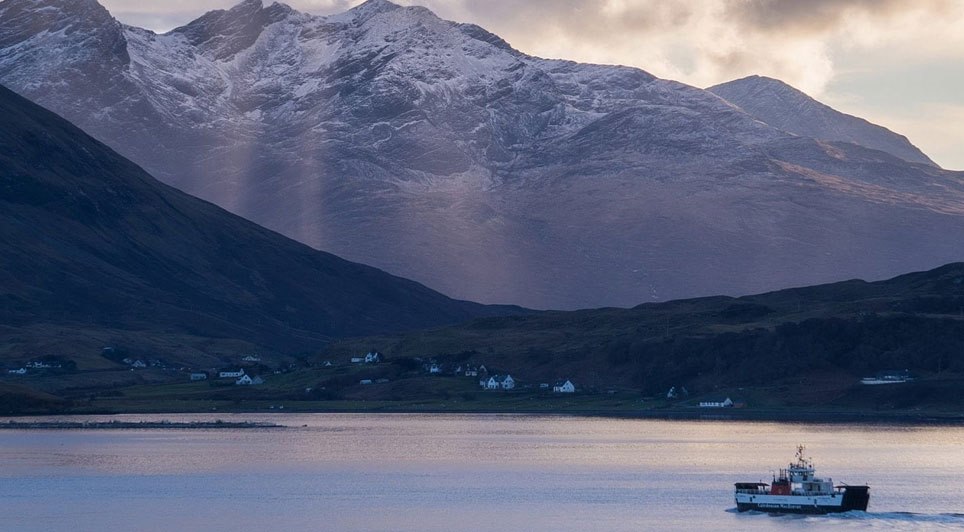
The island of Raasay is set to turn a long-disused ferry store into the island’s first community-owned venison processing unit, as part of a £750,000 funding round helping five islands lead Scotland's path to becoming carbon neutral by 2040.
Almost £129,000 has been allocated to convert the former East Suisnish Ferry Pier Store into a solar-powered food production hub. Raasay has also been awarded £78,000 to restore habitats by tackling invasive species and planting 4,000 native trees.
The facility is expected to cut emissions by around 136 tonnes a year, support local jobs, deliver butchery training and launch a 'Hill to Plate' education programme in partnership with Raasay Primary School and nursery, connecting communities with sustainable land management. It will also end the need to transport carcasses off the island for processing.

Raasay is one of five island communities — alongside Barra, Great Cumbrae, Hoy and Islay — to benefit in this round, which takes total investment in the Carbon Neutral Islands programme to £4.65 million since it launched in 2021.
On Barra, £182,000 will fund energy storage, heating and infrastructure upgrades at Northbay Hall and Gàradh a' Bhàgh a' Tuath, cutting costs and reducing reliance on imported energy.
On Islay, £75,000 will pay for solar panels, battery storage and heating upgrades across community buildings.
On Great Cumbrae, £144,500 will fit solar panels and battery storage in 17 homes, reducing energy bills for households that cannot access existing fuel poverty support.
On Hoy, £140,000 will install solar panels and battery storage at the YM Community Hall in Longhope, lowering running costs and safeguarding the long-term future of a key local facility.