Scotland
 UK
UK Ireland
 London

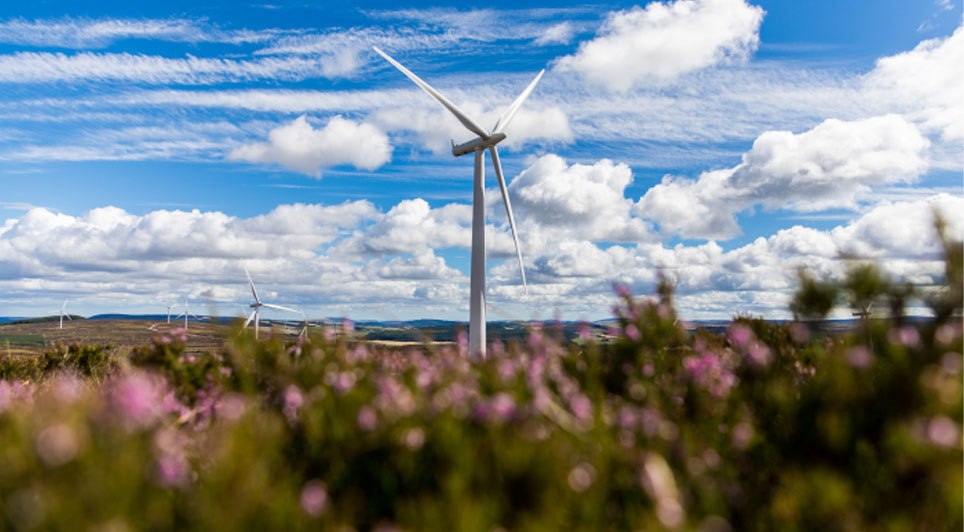
A new report published today, 10 June, which was commissioned by eleven prominent energy trade organisations including Scottish Renewables, reveals that nearly two-thirds (63%) of the UK public believe clean power enhances the country's national security. This perspective represents a majority opinion across all political affiliations.
The report, titled What Communities Want: Six Insights into UK Public Opinion, details the viewpoints of 996 adults across Scotland, England, Wales, and Northern Ireland across diverse political voting intentions. The participants were surveyed between 23 March and 20 April 2026.
Conducted by Early Studies, the research utilized two innovative methodologies: social circle surveying and the triple tense technique. The polling highlighted six central insights from the data:
• People know clean energy makes the country more secure.
• Bills remain the top concern, but voters support the need to spread infrastructure costs over many years.
• Climate change and air pollution still matter.
• The public will back a flexible, storage-led energy system.

• Clean energy is now an industrial opportunity.
• Confusion remains around the reality of today's energy system.
The findings indicate that while reducing energy bills continues to be the ultimate priority for 72% of respondents, there is a distinct comprehension of the relationship between clean power and energy security. Furthermore, there is a preference for immediate investment over postponement, with 50% favoring costs being distributed fairly over time, compared to 28% who prefer lower current payments at the expense of higher future costs.
When questioned regarding excess renewable generation, 57% of participants favored energy storage to integrate greater flexibility into the system, while 46% expressed strong support for upgrading the electrical grid. Combatting climate change remains a significant priority, ranking third out of six choices in 2026 at 39%. This figure rises to 49% for 2030 projections, placing it above energy security (44%) as a primary public concern.
Out of seven options concerning future energy requirements, reducing air pollution was placed second nationally in 2026 at 37%, before rising to become the top priority for 2030 at 42%, though this metric shifted based on political alignment.
Claire Mack, Chief Executive of Scottish Renewables, said: "These results underline strong public backing for the clean energy infrastructure needed to deliver a more resilient and prosperous future. After years of global volatility, now is the time to double down on our credible plan for homegrown power.
"That is especially true in Scotland where we must create the right conditions to unlock investment across all technologies and the critical grid infrastructure needed to deliver them. We must continue to earn and maintain public support, but we should also be clear that changing course would undermine our ability to stay competitive and realise the full economic value of clean energy deployment."
Read Watt Communities Want: