Scotland
 UK
UK Ireland
 London

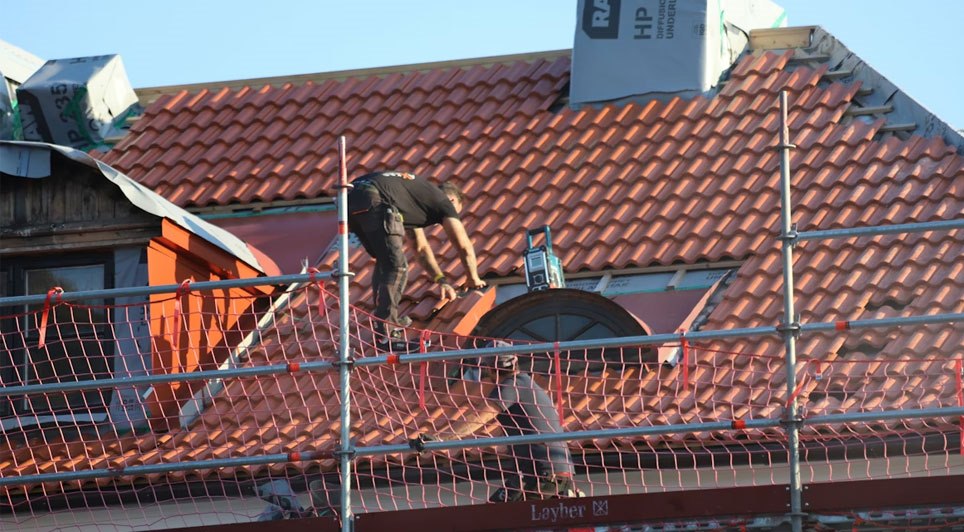
NFRC urges ministers to delay or phase in new steel measures, warning of shortages and higher costs after tariff‑free quotas are cut by 60% and a 50% duty is applied to above‑quota imports from July.
In March 2026, the UK government set out a Steel Strategy that will, from July, reduce tariff‑free quotas for steel imports by 60% and impose a 50% tariff on any volumes above those quotas, bringing rates into line with the United States. While intended to boost domestic production, the plan poses significant risks to the roofing and cladding sector.
The construction industry raised immediate concerns, and the Construction Leadership Council (CLC) has been engaging ministers and the Department for Business and Trade to spell out the consequences of the proposals and advocate alternatives.

The sector cannot yet source all required steel grades and volumes from UK producers alone, creating the risk of supply shortfalls and further price inflation if the measures proceed unchanged.
According to the CLC, the proposed tariffs have already driven cost increases of up to 18% on live projects, with developers reporting rises of up to £4,000 per housing unit.
Prices for rolled open steel sections climbed from about £700 per tonne in early 2026 to £950 per tonne in April.
NFRC supports the CLC's call to delay implementation or, at minimum, introduce transitional arrangements to ease pressure until market conditions stabilise.
NFRC contractors and suppliers are already facing steep price rises this year alongside falling workloads and enquiries, as highlighted in the federation's latest Winter State of Industry report. Additional tariffs on a sector heavily reliant on steel products would be another severe blow.
NFRC members can log in to access additional support and helplines.