Scotland
 UK
 Ireland
 London


Highland Council's South Planning Applications Committee has granted planning consent for SSEN Transmission's Bingally 400/132kV substation in the Fasnakyle area, southeast of Cannich and near Tomich. The approval follows two years of design development and engagement with local communities and stakeholders.
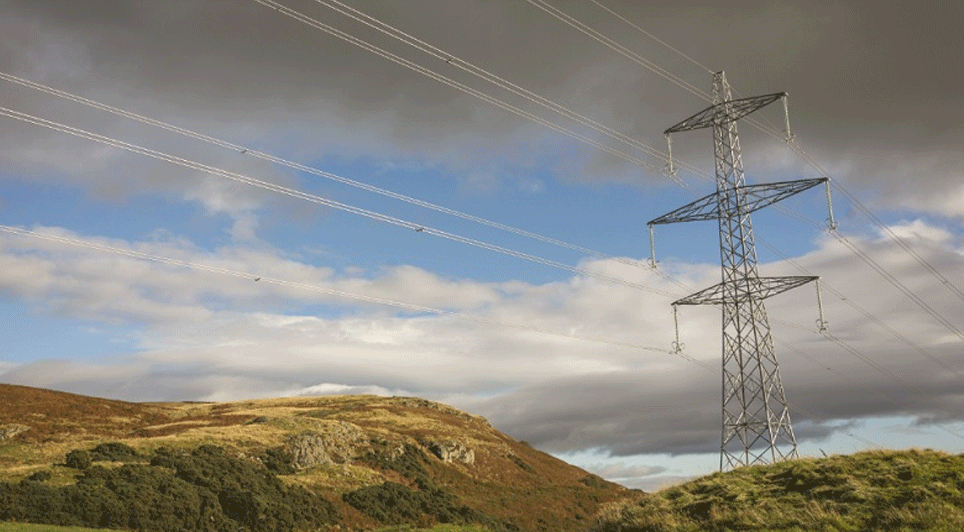
The new outdoor air-insulated switchgear facility will connect to the existing Beauly to Denny overhead line, which is proposed to be upgraded from 275kV to 400kV operation. The substation is a core element of Perth‑headquartered SSEN Transmission's programme to strengthen the north of Scotland's electricity network, enabling more homegrown low‑carbon generation to connect and improving energy security.
SSEN Transmission says the need for the project has been independently assessed and approved by the National Energy System Operator (NESO) and Ofgem. With consent in place, construction is expected to begin in summer 2026.
Alison Hall, Director of Development for SSEN Transmission, said: "We are delighted with today's decision – Bingally substation will play a key role in supporting Scotland and the UK's clean energy and energy security ambitions. Investment in the electricity transmission network is a major driver of jobs and economic activity, and we are already seeing the positive impact our projects in the Highlands are delivering through new jobs and housing, providing a major boost to the region's economy. With the creation of new jobs within SSEN Transmission and our supply chain partners, as well as proposals for community benefit funding and our housing legacy commitments, our projects will deliver a lasting legacy in communities across the north of Scotland, including in the Highlands. As a key element of the proposed upgrade of the Beauly to Denny overhead line from 275kV to 400kV operation, the Bingally substation will help build a cleaner, more secure and more affordable electricity system for generations to come."

Steven Miller, Development Portfolio Manager, SSEN Transmission, added: "Today's decision marks the culmination of a detailed development process where we listened closely to the local community and worked to strike the right balance between environmental considerations and technical requirements. We'd like to thank everyone who took part in our consultation events, whose feedback has played a vital role in shaping the final proposals. We will continue to work constructively with the community throughout the project's lifetime, in line with our commitment to being a good neighbour and delivering a positive legacy."
The Bingally scheme forms part of SSEN Transmission's plan to invest around £29bn by March 2030 in one of Scotland's largest private infrastructure programmes, driving jobs and economic growth. Independent analysis peer‑reviewed by BiGGAR Economics indicates that, if fully delivered, the programme could support up to 17,500 jobs in Scotland (including 8,400 in the north) and add up to £7bn to the Scottish economy (£3bn in the north). The company's workforce has grown from about 400 in 2019 to over 2,500 today, with around 600 additional roles targeted in 2025/26.
Local benefits tied to the Bingally development include new employment and supply chain opportunities, direct community benefit funding of more than £500,000, and support for housing. SSEN Transmission recently became the first signatory to the Highland Social Value Charter, committing to £1.8bn of contracts for Highland businesses, over £200m of investment in roads and bridges, and backing for 500 new homes — including over 120 new‑build properties in Drumnadrochit, Beauly and Muir of Ord to accommodate the grid upgrade workforce before being made available to local residents.
Aligned with UK Government guidance on community benefits for new transmission infrastructure, more than £100m of community benefit funding is expected across the north of Scotland. The wider investment programme is also set to support around 1,000 new homes region‑wide, including nearly 100 in the Western Isles, 47 in Brechin (Angus), 293 across sites in the Highlands, Aberdeenshire and Moray, and a partnership with The Highland Council to bring long‑term empty homes in Wick back into use.