Scotland
 UK
 Ireland
 London


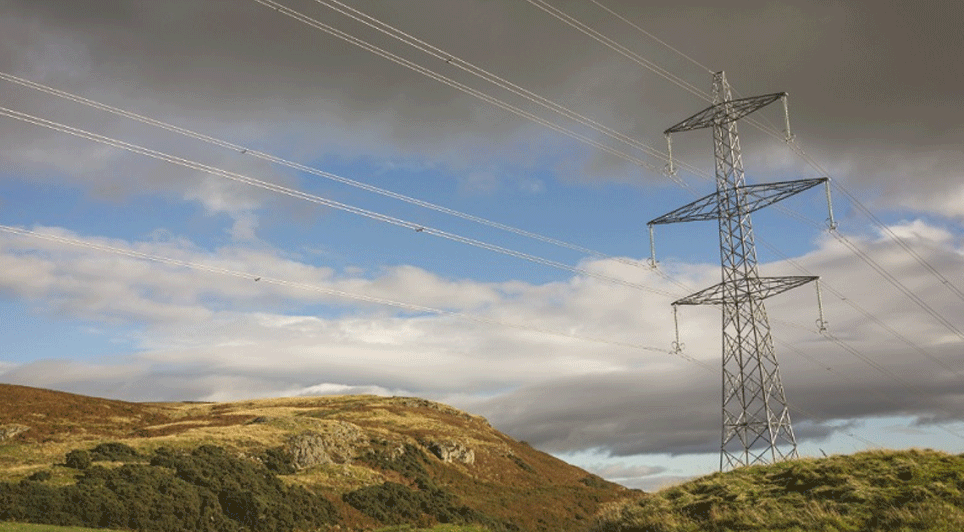
Arup has been selected for a major new framework by SSEN Transmission to provide expert power system studies aimed at modernising Scotland's high-voltage electricity network.
The appointment is a critical step in SSEN Transmission's ten-year plan to upgrade infrastructure in the North of Scotland, facilitating the connection of up to 30GW of new renewable energy capacity.
The framework supports the UK's broader transition toward decarbonisation and meeting clean power targets. As electricity demand grows, the transmission network requires sophisticated analysis to manage the integration of diverse renewable sources. Arup will provide specialist support across several complex areas, including:
• Steady state, dynamic, and electromagnetic transient (EMT) studies.

• Advanced power system modelling, including energy market simulations.
• Probabilistic analysis to address uncertainties in future generation and demand.
As part of the agreement, Arup secured seven distinct lots covering transmission, distribution, dynamic analysis, probabilistic studies, EMT, flexible power systems, and the de-risking of power electronics. The firm will also collaborate with SSEN Distribution to model network reinforcements and support investment planning for increasing local demand.
The framework is a central component of the Accelerated Strategic Transmission Investment (ASTI) initiative. Under this programme, SSEN Transmission intends to deliver 11 major projects as part of an investment exceeding £22 billion. These works include constructing and installing new substations, overhead lines, and subsea cables across the north of Scotland.
Beyond new infrastructure, the power system analysis performed by Arup will ensure ongoing operational reliability. Flexible power system modelling will allow the grid to adapt to changing energy needs while mitigating risks associated with modern power electronics and ensuring a resilient, future-ready network.
Arup's role leverages its global expertise in energy market modelling and digital innovation to enable faster, more efficient planning and design, directly aligning with the UK's clean power ambitions for 2030 and beyond.