Scotland
 UK
 Ireland
 London


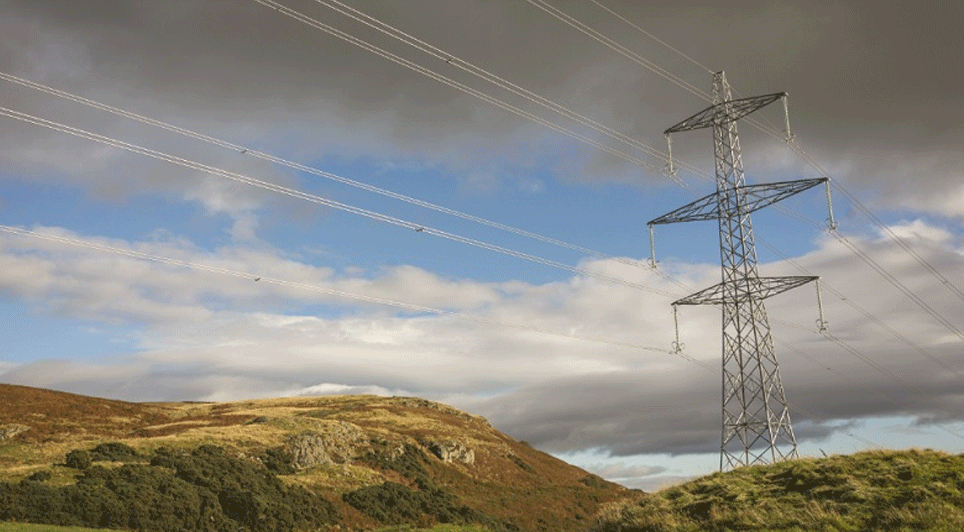
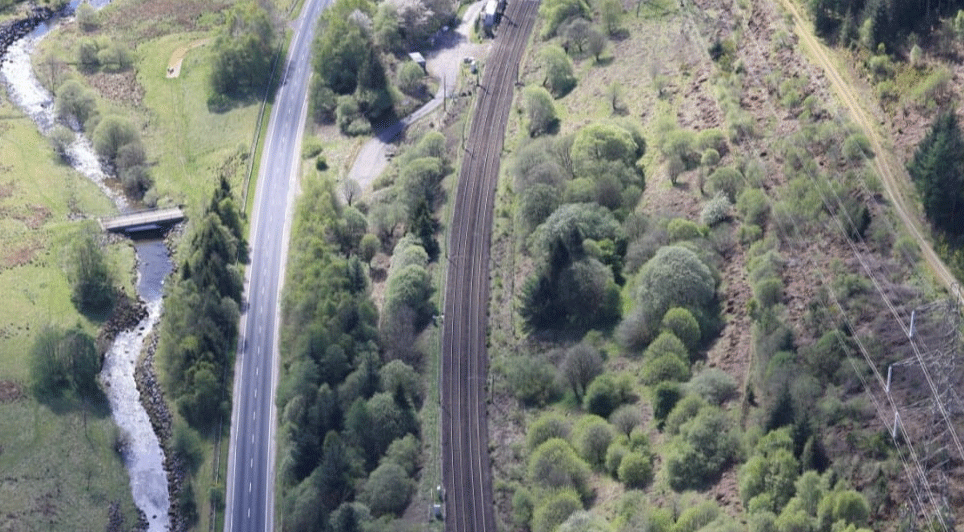
Scotland is witnessing the decommissioning of its oldest transmission line, the 'G-Route', as SP Energy Networks (SPEN) removes 62 steel electricity towers that have served the community for nearly a century.
Built in 1929, the G-Route was originally designed to connect three coal-fired power stations in Renfrewshire: Dellingburn, Yoker, and Braehead. Its construction followed the 1926 Electricity Act, which aimed to expand electricity access across Britain by connecting over 120 coal-fired power stations via overhead transmission lines.
At the time, only about 6% of British households had electricity. The Act sought to standardise equipment and make electricity more widely available, particularly for heavy industries and shipyards.
Nearly a century later, the G-Route served a vastly different customer base, providing power to 70,000 homes and businesses in Devol Moor and Bishopton, including the Queen Elizabeth University Hospital and Braehead, before its deactivation at the end of last year.

The ageing steel towers are being replaced with 182 wooden poles, known as "Tridents" due to their design, offering a more resilient and reliable service and facilitating greater electrification in the region. The wooden poles were chosen due to the specific circuit requirements for the area.
Richard Wylie, Lead Design Engineer at SP Energy Networks, reflected on the historical significance of the original line: "One hundred years ago, a group of ambitious engineers began work to connect up Britain’s electrical grid and bring electricity into homes and changing people’s lives forever. These transformative towers helped open up access to electricity to those who had never had it before – modernising and evolving the home to be able to adopt revolutionary appliances that are now a regular part of everyday life."
He also emphasised the current network upgrade's role in the renewable energy transition: "A century on and we’re embarking on a multi-billion pound investment in our transmission network – the greatest rewiring of the network since it was built– to open up capacity on the grid to transport clean, homegrown electricity to power communities across Britain towards an all-electric future."
Just as the G-Route revolutionised daily life by introducing electric appliances, the current network upgrades are intended to facilitate the shift to all-electric homes powered by renewable energy, including heat pumps and electric vehicles.
SP Energy Networks has committed £10.6 billion to modernise Britain's electricity infrastructure, including the construction of 12 new major transmission substations, the upgrade of 450km of existing circuits, 87km of overhead lines, and 35km of underground cables.