Scotland
 UK
UK Ireland
 London

A new report has revealed up to £200 million a year could be generated for 'affordable' housing if local councils were given the power to tax vacant and derelict land.
Research by the Scottish Greens' Housing and Land Reform spokesperson, Andy Wightman MSP, states if local authorities could tax the 20,000 football pitches' worth of vacant and derelict land in Scotland, £200m could be raised annually for public services such as housing.
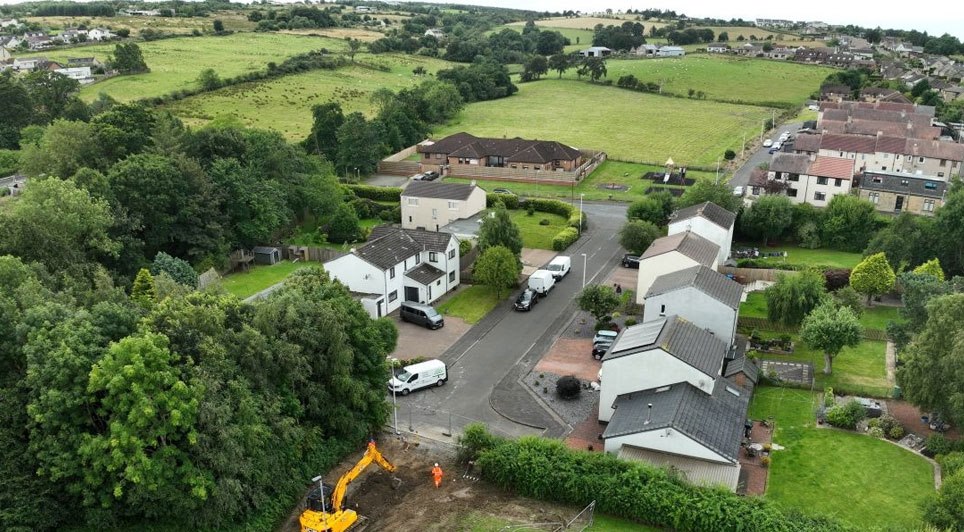
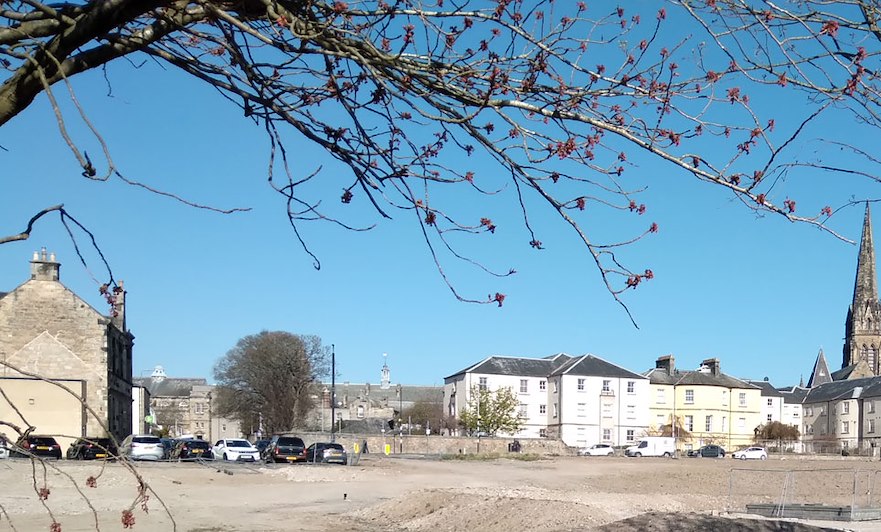
There are almost 4,000 derelict sites in Scotland, including 782 in Glasgow, 487 in North Lanarkshire, 281 in North Ayrshire, 235 in South Lanarkshire and 223 in Fife. In Edinburgh, which contains the highest house prices of any Scottish city, there are 76 derelict sites with a further 157 throughout East, West and Midlothian.
In January 2016, the Scottish Greens attempted to amend the Land Reform Bill so that near 13,000 hectares of vacant and derelict land in communities would be brought into the non-domestic rates system. However the proposal was rejected by Ministers, who at the time pledged to consult on the issue but have not yet done so.

The report also highlights the 'Vacant Site Levy' Ireland created in 2015 and how Scotland could follow this approach.
"This law created a levy on the owners of vacant land that is suitable for housing and in an area of housing need, or, if the land being vacant has an adverse effect on amenities of the character of the area," the report states.
"The first levies are chargeable by local planning authorities from 2018. Scotland could take a similar approach. The information required for a vacant land is already collected but new legislation would be needed to establish the power for local authorities to set and levy a charge."
With over half of Scotland's most deprived communities living within 500 metres of vacant and derelict land, Mr Wightman said there is "huge potential" to develop and regenerate where it is most needed.
"The Scottish Government, in rejecting bolder Land Reform legislation last year, promised to consult on the taxation of derelict and vacant land and I hope this paper brings that forward," he said.
"Given the lack of affordable housing and continuing financial pressures on public services, it's unacceptable that landowners can profit from withholding land suitable for housing. There is growing political consensus in Scotland that we need big changes to tackle the housing crisis, so let's not be timid when it comes to giving local councils the power to tax vacant and derelict land."
(LM/MH)