Scotland
 UK
UK Ireland
 London

The Scottish Government has revealed plans to invest £60 million in developing new low carbon and renewable technologies by 2020.
The Innovation Fund will support the development of low carbon energy infrastructure, such as electricity battery storage, sustainable heating systems and electric vehicle charging.
With Ministers planning to end the need for new petrol or diesel vehicles in Scotland by 2032, the Fund will encourage academia and businesses to find solutions various environmental challenges.
In addition, various infrastructure actions will be carried out such as expanding the charging network and making the A9 Scotland's first electric-enabled highway.
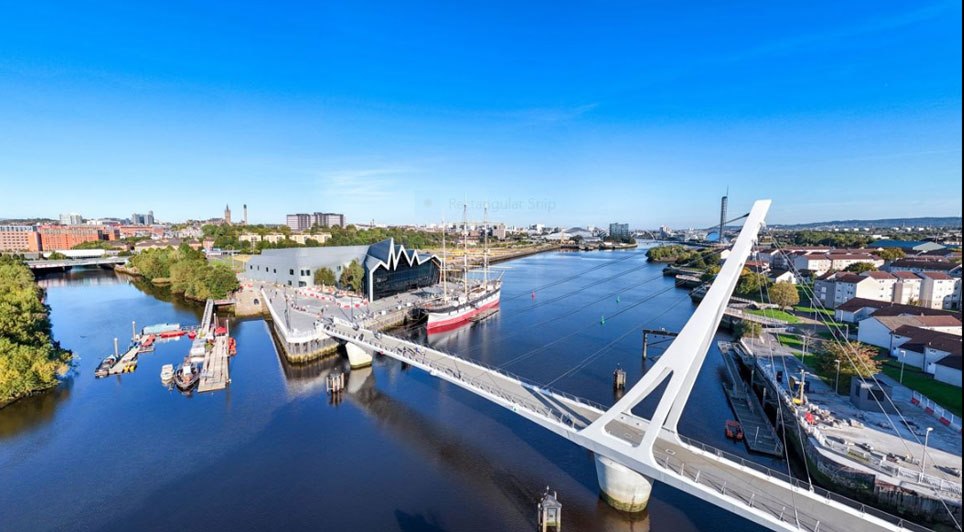
Speaking during a visit to the Riverside Museum in Glasgow, First Minister Nicola Sturgeon said she is aiming for Scotland to become a "world leader"in developing new low carbon energy technologies.

"For centuries, Scotland has been home to many great inventions and I want this technological innovation to be renewed for the future," she said.
"I want us to be world leaders in developing new low carbon energy technologies and embrace social changes that will reduce our emissions.
"We have set out a bold new ambition on ultra-low emission vehicles, including electric cars and vans, with a target to phase out the need for petrol and diesel vehicles by 2032, underpinned by a range of actions to expand the charging network, support innovative approaches and encourage the public sector to lead the way.
"We're witnessing rapid technological change and the many companies focussing their efforts on this sector are making extraordinary advances. I want to see Scotland play its full part in this age of innovation."
Environment Secretary Rosanna Cunningham said: "As well as pushing ahead with the decarbonisation of road transport, we have also announced plans to introduce Low Emission Zones into Scotland's four biggest cities between 2018 and 2020 – improving air quality and making our city centres a more desirable place to live, work and visit.
"Scotland has made good progress in tackling air pollution, but a there are still areas of our towns and cities where levels are too high. We want to develop a sustainable future for younger generations."
(LM)