Scotland
 UK
UK Ireland
 London

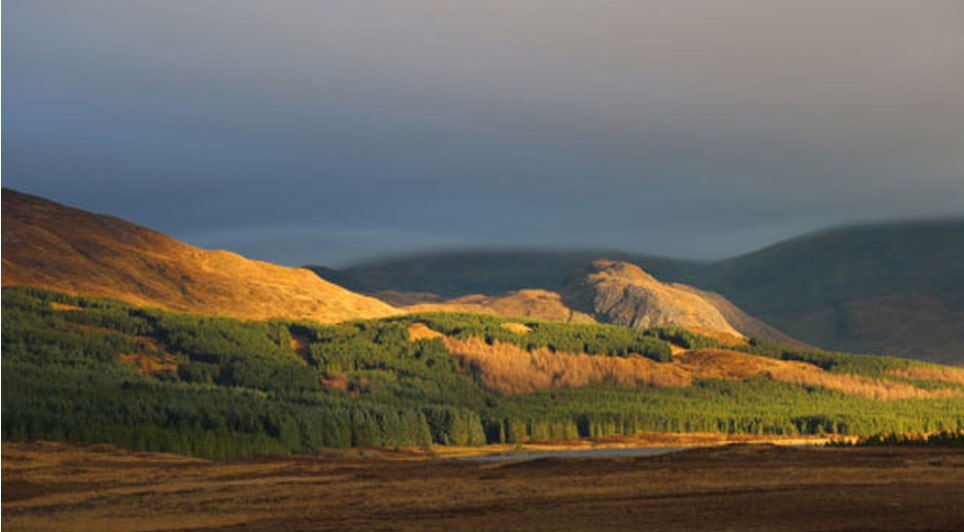
The construction of a wind farm in Sutherland has contributed to the decline of local breeding bird numbers, a RSPB Scotland report claims.
The five-year study reports that numbers of golden plovers, which are protected under the European Birds Directive, dropped by 80% within Gordonbush wind farm during its first two years of operation.
These declines were 'markedly greater' than on areas surrounding the site that were studied over the same period.
Lead researcher Dr Alex Sansom said it is likely the wind turbines presence led to bird avoiding areas around the turbines.
"This study shows that such displacement may cause large declines in bird numbers within wind farms," she said. "It will be important to examine whether these effects are maintained over the longer term at this site, and we should also use these detailed studies to examine the effects of wind farms on other bird species."

Aedan Smith, Head of Planning and Development for RSPB Scotland, added: "We desperately need more renewable energy projects including wind farms to help tackle the causes of climate change, which is harming wildlife in Scotland and across the world. However, it is vital that wind farms, like any development, are sited to avoid harming our most important places for wildlife.
"Fortunately, the vast majority of wind farms pose no significant risk to our wildlife. This important study shows that bird numbers can be seriously affected by badly-sited wind farms in more ways than simply colliding with turbine blades, and highlights the importance of getting things right at the outset, so that impacts can be avoided."
To view the study, visit here.
(LM/JP)