Scotland
 UK
 Ireland
 London


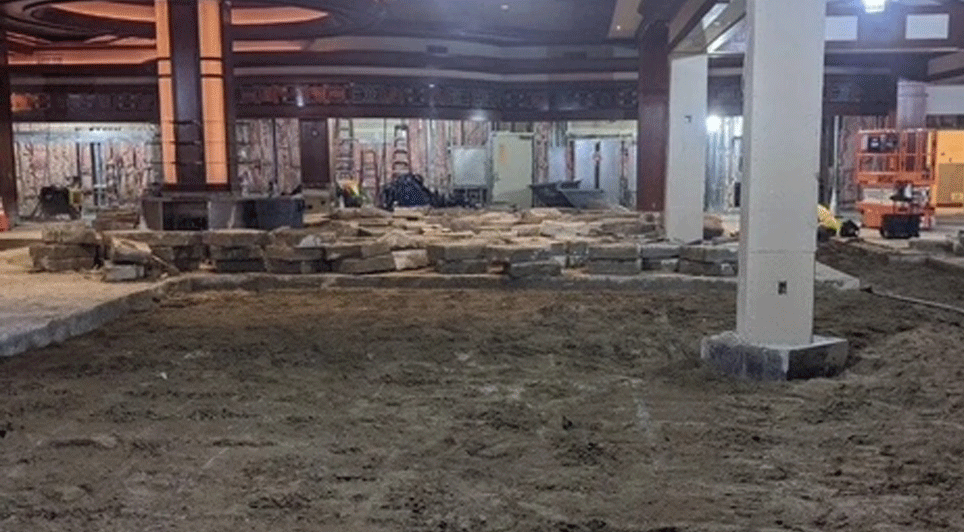
When people see the glitz and glamour of casinos on the surface, there's a whole lot of other things going on beneath the surface to ensure that everyone has a nice time. The modern casino floor is one of the most carefully engineered rooms on earth, all the way down to the playing chips.
In December 2010, a man in a motorcycle helmet walked up to a craps table at the Bellagio in Las Vegas, pulled a gun and escaped with around $1.5 million in chips. Within minutes, his haul was close to worthless.
This is because many of the stolen chips had tiny radio tags built into them that let staff identify them and cancel their serial numbers. The thief was left with a small fortune that he would never be able to spend.
This shows the level of detail that goes into the top casinos. Every roulette wheel, machine, carpet and ceiling tile is chosen with a purpose.
Mazes and Playgrounds
The first big decision is the layout. The industry followed a tried and tested strategy for years of low ceilings, narrow winding aisles and machines packed tightly together. The idea was to draw players in and keep them there, with no obvious exit and few distractions.
The approach started to change from the late 1990s when a more playground-type style was deployed. This saw the use of high ceilings, natural light, gardens and wide walkways, on the theory that people stay longer and spend more when they feel comfortable rather than trapped. Many modern resorts now blend the two.
The details are all thought about. The hideously loud carpets help hide stains and dropped chips, and are also thought to keep eyes moving towards the games. Lighting is bright and even, so there's no glare on the tables or screens. Sound is carefully managed so the jingle of a winning slot carries across the room, while noise from one area does not drown out another.
The floor also has to work for the staff. Dealers need routes to break rooms, cash needs secure paths to the cage, and every table must sit within view of a camera.
The Tables
Not many pieces of casino equipment are made as carefully as the roulette wheel. Cammegh is one of the best-known makers in the world. It's a family company that started out of a garage in Kent in 1989. It supplies tables to major casinos across the world, including Las Vegas and Macau.

Wheels need to be perfectly level and balanced. Even a tiny tilt can mean that the ball starts favouring certain sections, which is something that skilled people have been able to exploit in the past. Modern wheels incorporate sealed bearings, warp-resistant materials and very carefully shaped pocket dividers to ensure that the results are always random.
Some, like Cammegh's Random Rotor Speed system, vary the wheel's slowdown to stop players predicting where the ball will land. Casinos also log results over thousands of spins to spot any bias early.
Blackjack and baccarat tables are simpler, but also need as much care. Automatic shufflers speed up play and remove the risk of the dealer stacking the deck, and the chip trays are designed so dealers can be carefully watched when counting money.
The chips themselves carry RFID tags, as well as UV security features and edge markings. For example, the Wynn Las Vegas is said to have invested $2 million in its chips when opening.
The Slot Machines
Slot machines dominate the bulk of a modern casino floor. They come from a small group of major suppliers, including IGT, Aristocrat and Light & Wonder, and each model must be tested and approved by regulators before it can be installed.
Today's machines are networked computers. Each one connects to a central slot management system that records every bet, win and fault in real time. Operators can see which games are earning, which are idle and which need repairs, and can move or swap machines based on the data.
Most casinos now avoid paying out in cash, spitting out tickets instead where there are barcodes that can be redeemed at designated points or at the cashier's cage. The change cuts down on the heavy coins and makes it easier to track where money is going on the slots floor.
Placement of machines is also a delicate art. Popular machines will sit close to entrances and walkways to try to catch the attention of passersby. The machines with linked jackpots will be kept together under large displays showing massive prizes. Seats, phone chargers, drink holders and armrests are designed for ultimate comfort to encourage players to stay at the machines as long as possible.
The Eye in the Sky
Security is designed into a casino from day one, not added later. The ceiling above a gaming floor is usually dotted with dark domes hiding cameras, known in the trade as the "eye in the sky".
Large resorts have thousands of cameras. This includes shots that are over tables to read individual cards and chip caches. Licensing rules dictate the length of time casinos have to hold onto the footage.
The surveillance staff are always watching and are in communication with those they see on the gaming floor. Software flags unusual betting patterns and some casinos use data tools to spot links between players and dealers, such as shared addresses or phone numbers.
The most secure rooms in the building are the cage, where the chips are swapped for cash, and the count rooms, where takings from tables and machines are counted. These are heavily locked down, closely recorded and staffed by teams who double-check the work of one another. There's no room for any doubt.
The costs of all these aspects quickly add up. Individual slot machines themselves can cost tens of thousands of pounds each, and the surveillance system can cost millions. Technology keeps changing.
Electronic table games are becoming increasingly popular, where players sit on a screen or a live or automated wheel, instead of traditional tables. Facial recognition and AI tools are also being used to spot cheaters or self-excluded gamblers. It's a fascinating case study for anyone interested in design or construction.