Scotland
 UK
 Ireland
 London


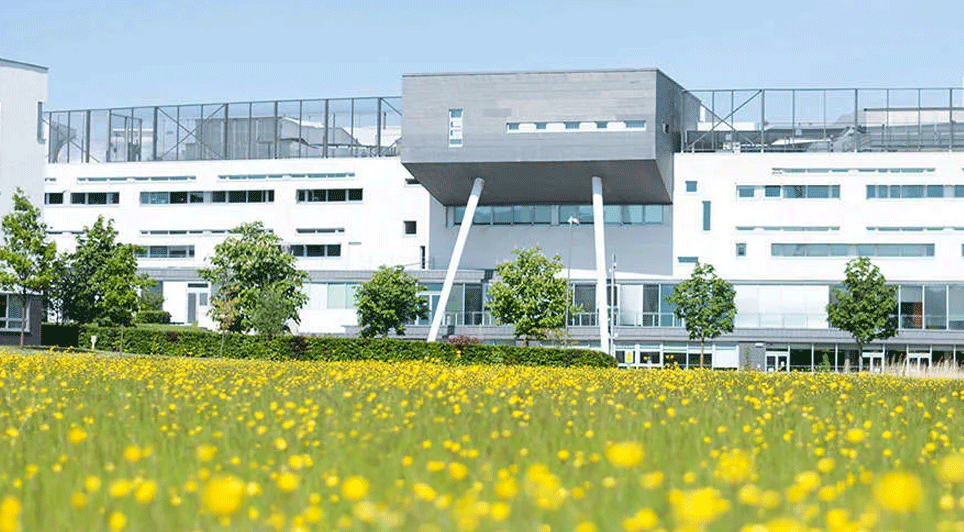
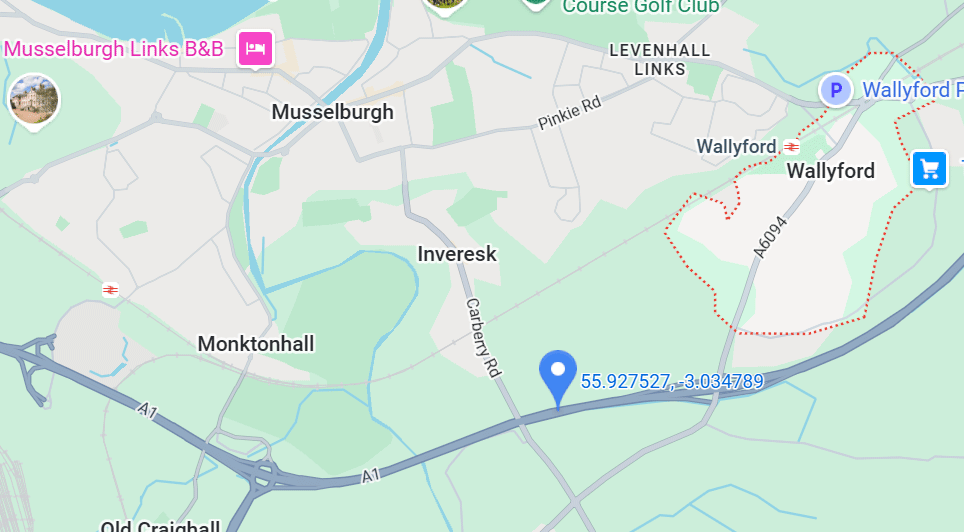
Queen Margaret University (QMU) has submitted a planning application for a new solar energy scheme at its Musselburgh campus, which could generate around a quarter of the university’s annual electricity requirements.
The proposed development forms part of QMU’s wider sustainability programme and would see solar panels installed on approximately 1.18 hectares of low-grade grassland previously earmarked for potential future buildings.
Working with renewable energy specialists Locogen, the university has assessed the feasibility of combining ground-mounted solar panels with a roof-mounted installation. Modelling suggests the scheme could generate around 1.08 million kilowatt hours (1.08 GWh) of electricity annually.
The university expects the development to reduce its reliance on grid-supplied electricity and provide greater protection against fluctuations in energy prices.

The proposals also support QMU's Climate Change and Net-Zero Strategy, which aims to achieve net-zero operations by 2044, with interim targets to reduce emissions by 42 per cent by 2030 and 63 per cent by 2038.
The ground-mounted panels would reach a maximum height of three metres and be elevated to allow green space to remain beneath them. Existing mature trees and landscape features would be retained where possible.
Plans also include the creation of species-rich grassland and the planting of native hedgerows to improve biodiversity, provide shelter for wildlife and help screen the solar panels from view.
QMU's Head of Estates and Engineering, John Walker, said the development would make productive use of currently unused land while supporting the university’s long-term sustainability ambitions. The proposals have been designed to balance renewable energy generation with the preservation of the campus landscape and surrounding biodiversity.
The university anticipates minimal disruption to campus activities. Construction contractors would use existing access routes, while walking and cycling routes would remain accessible during and after the works. No additional lighting or cameras are proposed for the operational development, and additional traffic is expected to be negligible once construction is complete.
If planning permission is granted, construction is expected to take around four months. The solar installation is intended to operate for approximately 40 years.