Scotland
 UK
UK Ireland
 London

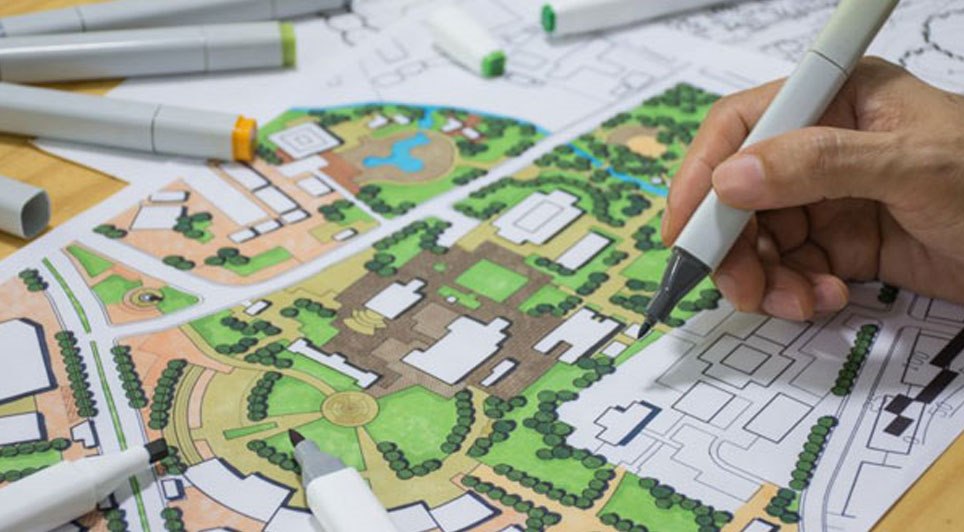
Humanise, UK Research and Innovation (UKRI) and the University of Glasgow have launched a £1.5 million research partnership to rethink how Britain designs its buildings, towns and cities, aiming to replace what many see as bland, impersonal development with places that foster health, pride and belonging. The Delivering Humanised Places project comes as the UK Government advances plans for 1.5 million new homes and a new wave of new towns.
The collaboration will explore how that housebuilding drive can translate into neighbourhoods people value and are proud to call home. Research commissioned in 2025 by Humanise found that only 4% of residents in England's post-war new towns spontaneously used the word "nice" to describe where they live, underlining the demand for better design.
Building on two years of joint work between Heatherwick Studio's Humanise initiative and the Arts and Humanities Research Council's (AHRC) Place Programme, hosted by the University of Glasgow, the project brings together expertise in place research, neuroscience, citizen participation, design and built-environment practice. Its purpose is to strengthen the evidence for human-centred design and put that learning into action at scale.
At its core is a simple proposition: emotion should be treated as a function of design, not an afterthought. The appearance and feel of buildings and places can shape people's health and wellbeing, their social connections, and their sense of pride and belonging. Public appetite for change is clear: Humanise-commissioned research found 76% of people in the UK believe the way buildings look affects mental health, and 69% agree the country should invest in buildings that make people feel good as they pass them on the street.
The expanded partnership will examine how to design and deliver Humanised Places and the socio-economic benefits that follow when emotion is considered a core function. Community voices are central, with plans for community-engaged research using arts and creative practice to widen public debate and give local people a stronger say in decisions about their areas.
Workstreams include a major evidence review on how patterns, materials and other aspects of design affect outcomes such as health and wellbeing; assessment of the economic case for more human buildings and cities; policy insight and guidance; resources for mayors and developers; and the practical application of Humanise principles in regeneration and development projects.

Global designer Thomas Heatherwick said: "Buildings in our towns and cities are experienced by millions of us every year as we pass by, and profoundly affect how we feel, yet we've spent decades designing buildings with a narrow definition of function, led by efficiency and cost, and too much focus on the needs of the people who use them inside. The experience for passersby has been street after street of characterless-ness. In this time when society is more fragmented than ever, characterised by an epidemic of loneliness, too little thought has been given to how the design of the outsides of buildings could benefit society more broadly.
"Britain is preparing to build homes and communities on a scale we haven't seen for generations. This is a rare opportunity to ensure that the human experience is at the heart of what we build. Human-centred design can help us create places with character and joy, that support our wellbeing and sense of belonging, and that people value for generations to come. Places people love also last longer.
"Through Humanise's partnership with UKRI and the University of Glasgow, we will strengthen the evidence about how buildings affect our health and wellbeing and turn that evidence into action. Our ambition is to turbocharge the creation of radically more human, engaging and joyful places. The opportunity to make meaningful change is massive. But it will only be able to begin with the deep understanding that comes from measuring."
Professor Christopher Smith, UKRI creative industries champion and AHRC executive chair, said: "Our environment has a clear impact on our health and wellbeing, but it has been hard to measure and to develop policy to support good buildings and good spaces.
"Our groundbreaking partnership on the Delivering Humanised Places project will adopt a radically interdisciplinary approach to provide the evidence to support the development of better cities, towns, neighbourhoods and buildings. Investing in place, and in our lived experience of place, is vital for a flourishing and healthy economy."
Professor Chris Pearce, Vice Principal for Research and Knowledge Exchange at the University of Glasgow, said: "This partnership is an excellent example of how research can bring together different perspectives and areas of expertise to address an important challenge. By combining academic research with professional practice and the experiences of communities, we can build a stronger evidence base for understanding what makes places better for people who use them, and how that knowledge can be put into practice.
"At the University of Glasgow, we are committed to research that advances knowledge, addresses challenges and drives impact. I look forward to seeing how this work contributes to the development of places that promote wellbeing, and strengthen social connections and foster greater sense of belonging."
Led by Professor Rebecca Madgin, Director of the AHRC Place Programme and Professor of Urban Studies at the University of Glasgow, the project will connect academic research and neuroscience with citizen experience and professional practice, applying that combined knowledge in real-world settings.
Professor Madgin said: "Places are not simply physical settings. They shape how we feel, how we connect with one another and the extent to which we develop a sense of belonging.
"A humanised place is designed around people's lived and felt experiences. It can nurture attachment, strengthen identity and inspire feelings such as joy and pride, while helping to reduce loneliness, frustration and disillusionment."
"By bringing together rigorous research, professional expertise and citizens' experiences, this partnership will demonstrate how human-centred design can improve lives, create lasting public value and support better social and economic outcomes."
The partnership is seeking further opportunities to work with government, mayors, local authorities, developers and communities to put the research into practice, and recruitment is under way to expand the delivery team. The project will run until March 2028, with research, practical application and public involvement progressing in tandem.
The project is funded by the UK Government through the UKRI Creative Industries Priority Programme. The UKRI investment builds on the AHRC Place Programme and is delivered by AHRC.