Scotland
 UK
UK Ireland
 London


A new National Audit Office (NAO) assessment has reignited debate over wind farms being paid to curtail output and the expense of modernising Britain's electricity network. While some argue this shows the system hosts too much renewable power or that upgrades should be scrapped to cut costs, the NAO points instead to a mismatch: renewable generation has expanded faster than the grid needed to move that power to where it is used. The outcome is congestion and higher costs that upgrades are designed to reduce.
The core issue is not an excess of green power, but bottlenecks in the electricity network. Accelerating grid investment would lower overall costs compared with delaying or cancelling projects. Ofgem estimates households will be around £30 better off by 2030 if upgrades arrive on schedule, while postponement would push up bills and risk holding back economic growth.
The NAO's findings are clear: the network must catch up with the renewable capacity already in place. Cutting constraints will enable fuller use of existing wind and solar, reducing waste and avoiding the need for more expensive backup generation.
Britain does not have "too much" renewable energy. It has successfully built projects where wind and solar resources are strongest, helping set a record in 2025 when renewables generated 52.5% of UK electricity for the second consecutive year. The challenge is ensuring transmission capacity keeps pace so that clean power can flow freely across the country.
Renewables also help shield consumers when global gas markets spike. Every unit of electricity from UK wind reduces the volume of imported gas, limiting exposure to international price shocks. Forward gas prices for this winter have recently topped 200p/therm, underscoring the benefit of homegrown power. SSE estimates wholesale electricity costs during the latest conflict have been about 30% lower than they would have been without the current renewables fleet. Many projects operate under fixed-price contracts, which return money to consumers when prices soar, while also pushing the costliest gas plants off the system and dampening market prices.

Electricity demand is set to climb as transport, heating, industry and digital infrastructure electrify, even as existing nuclear and gas stations retire. New nuclear has faced persistent delays and overruns. Gas remains an option, but global supply chains are tight, the cost of new turbines has more than trebled since the UK's last gas plant was built, and availability is limited well into the 2030s. Greater reliance on gas would heighten vulnerability to global events. Flexibility measures can help, but the UK will still need more generation — and renewables are the technology most likely to arrive on time at competitive prices.
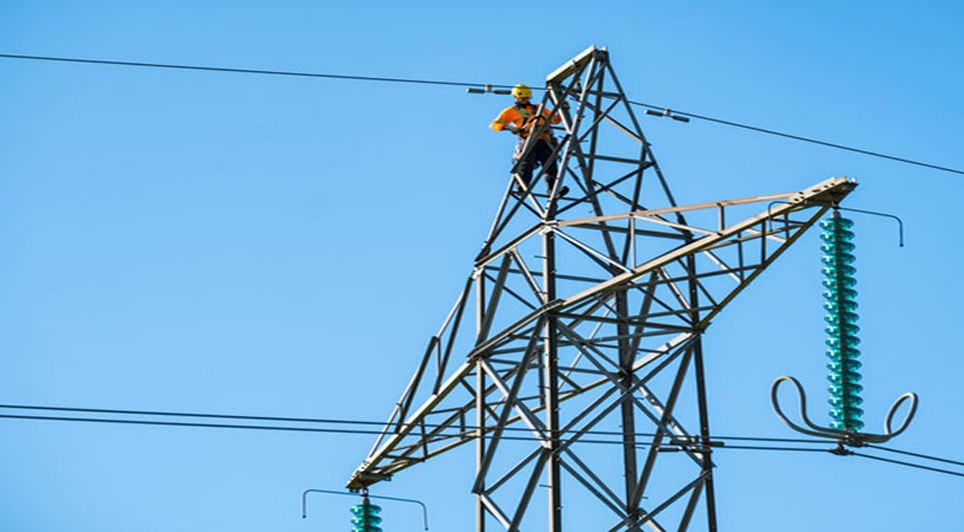
Wind farms are sometimes paid to reduce output — known as constraint payments — because the grid cannot always transport electricity to demand centres. As the NAO highlights, the network has not expanded quickly enough to match the growth in renewables. A major upgrade programme is now under way, with around £70bn slated for transmission investment across Great Britain between 2025 and 2031. SSEN Transmission, SSE's transmission business, is investing £29bn to rewire the north of Scotland. Despite the scale, the NAO and Ofgem indicate these upgrades will save consumers money by allowing far more renewable power to be used; Ofgem's analysis suggests households could be about £30 better off by 2030 than if upgrades are delayed.
When wind is curtailed, system operators often have to bring gas plants online instead — and because those gas stations run less frequently overall, they require higher prices when they do operate to cover their costs. Consumers effectively pay twice: once for the constraints and again for the substitute generation. It weakens energy security and reinforces why tackling grid pinch points is essential.
The NAO's principal concern is speed, not scale. Too many critical projects still face delivery risks or are stuck in lengthy planning and consenting processes. Each delay means higher constraint costs, longer queues for grid connections, slower growth and a more expensive energy system. What we are seeing is not evidence that wind power is driving up costs, but the result of the network failing to keep pace with generation.
Britain has some of Europe's best renewable resources and a plan to upgrade the grid so they can be fully harnessed. The imperative now is rapid delivery. As the NAO makes clear, the question is not whether these investments should happen, but how quickly they can be built.