Scotland
 UK
UK Ireland
 London

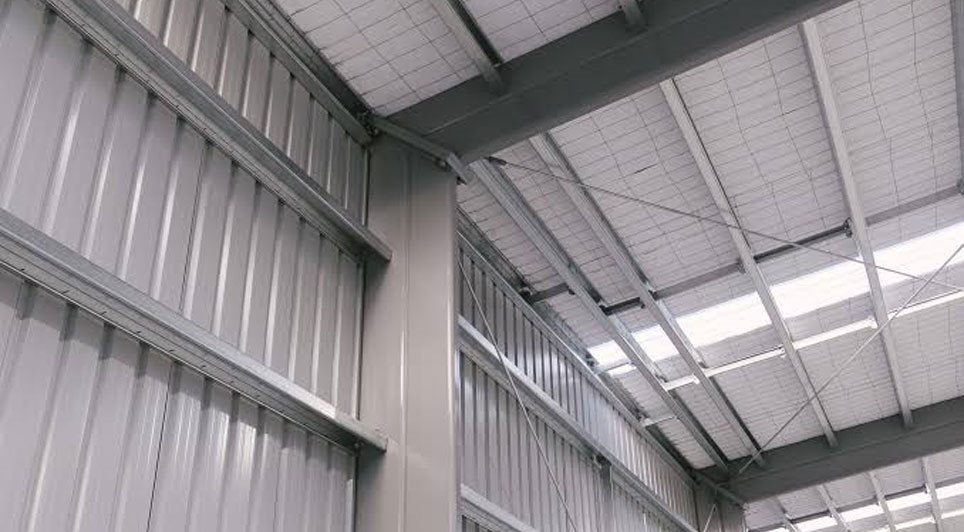
Structural steel turns up everywhere in UK construction, warehouses, bridges, staircases, platforms, railings, all sorts of architectural bits and pieces. It's strong and adaptable, which is why it gets used so widely, but leave it untreated and it's surprisingly vulnerable. Moisture, salt, chemicals, our ever-changing weather, steel doesn't cope well with any of it on its own.
That's where protective finishes come in.
Depending on what the component is, where it's going to live, and how long it needs to last, you might see galvanising, wet paint, or powder coating used. They're different processes with different quirks, but the underlying job is always the same: put something between the steel and whatever might wear it down.
Why Does Steel Corrode in the First Place?
Rust is just steel reacting with oxygen and moisture. Simple enough. But throw in rain, humidity, road salt, pollution or chemical exposure, and that reaction speeds up considerably.
For structural steelwork, this isn't just an eyesore. Corrosion eats away at the metal itself, weakens components, and pushes up maintenance costs. Left unchecked for long enough, it can genuinely compromise how a structure performs.
Naturally, the risk varies a lot depending on where the steel actually sits. Something tucked inside a dry building has an easy life. An external staircase or handrail, on the other hand, is out there facing the elements all year round. And if you're near the coast or in an industrial area, conditions get harsher still. So working out what a piece of steel is likely to face is really the starting point for choosing how to protect it.
Preparation Comes Before Anything Else
You can apply the best coating in the world, but if the surface underneath isn't right, it won't hold up.
Before any finish goes on, the steel usually needs a proper clean-up, removing oil, grease, dirt, mill scale, rust, whatever fabrication residue has built up. That might mean degreasing, abrasive blasting, washing, or some form of chemical treatment, depending on what's specified and what finish is going on top.

Good preparation gives the coating something to actually bond to. Skip it, or rush it, and you leave weak spots where moisture can sneak in underneath. Welds, corners and edges need extra care too, they tend to end up with a thinner coating than flat surfaces, and rough fabrication marks or weld spatter make even coverage harder to achieve. So really, coating quality is being decided long before anyone picks up a spray gun.
Creating a Barrier Against Moisture
At its core, a protective coating is there to keep water and oxygen away from the metal. A continuous, unbroken layer does that job well and can slow corrosion right down.
How well it works depends on a few things: how thick it is, how well it's adhered, how good the prep was, and whether there are any pinholes or exposed patches. For steelwork sitting outdoors, the coating also has to cope with UV, temperature swings, and endless cycles of getting wet then drying out again.
There's no single "correct" approach here, it really does depend on the component and what it's going to face once it's installed.
Thickness Matters More Than You'd Think
Too thin, and the coating won't give proper coverage or hold up against the environment it's meant for. Too thick, and you risk defects, or the finish might not cure properly at all.
That's why thickness gets checked during quality control, to make sure the finished piece actually meets spec. This matters even more when you're producing steel in bulk. Brackets, frames, supports, balustrade sections, they all need to come out to the same standard before heading to site.
Design Has a Bigger Influence Than People Assume
How a component is designed affects how easy (or difficult) it is to prepare, coat, and later maintain.
Complicated joints, tight gaps, overlapping plates, awkward recesses, these are all places where dirt and moisture can collect, and where getting even coverage becomes trickier. Good design helps avoid this: drainage points, accessible surfaces, sensibly planned joints all make finishing and upkeep easier. This matters most for anything living outside, where trapped water is a common cause of localised corrosion. Thinking about finishing at the design stage, rather than as an afterthought, saves headaches further down the line.
Handling and Transport Can Undo Good Work
Even a well-applied coating isn't invincible once it leaves the workshop. Fabricated steel goes through handling, storage and transport before it ever reaches site, and chains, forklifts, lifting gear and contact with other metal parts can all scratch or chip a finish.
Even minor damage can expose bare steel underneath, especially once it's outdoors. Careful handling, sensible lifting points, and decent protective packing all help reduce that risk, as does storing finished steelwork somewhere it won't sit in standing water or knock against other components.
A Final Check Before It Goes Anywhere
Inspecting steelwork before it leaves the workshop catches problems while they're still easy to fix. A visual check can reveal patchy coverage, missed spots, contamination, or handling damage, and thickness can be measured where needed.
Repairs are far simpler to sort out here than once the component's installed and access is limited. And if the same defects keep cropping up, that's useful information too; it might point to issues with prep, application, curing, or handling further back in the process.
It's All Connected
Coatings are only one piece of the puzzle when it comes to durable steelwork, but they matter a great deal. Getting it right depends on the whole chain, design, fabrication, preparation, coating, curing, handling, and inspection. A great coating can't fix poor preparation, and careful preparation can just as easily be undone by rough handling later on.
For anyone working with structural steel in the UK, treating surface protection as part of the whole process, not a final add-on, tends to pay off in consistency and fewer nasty surprises down the line.