Scotland
 UK
UK Ireland
 London

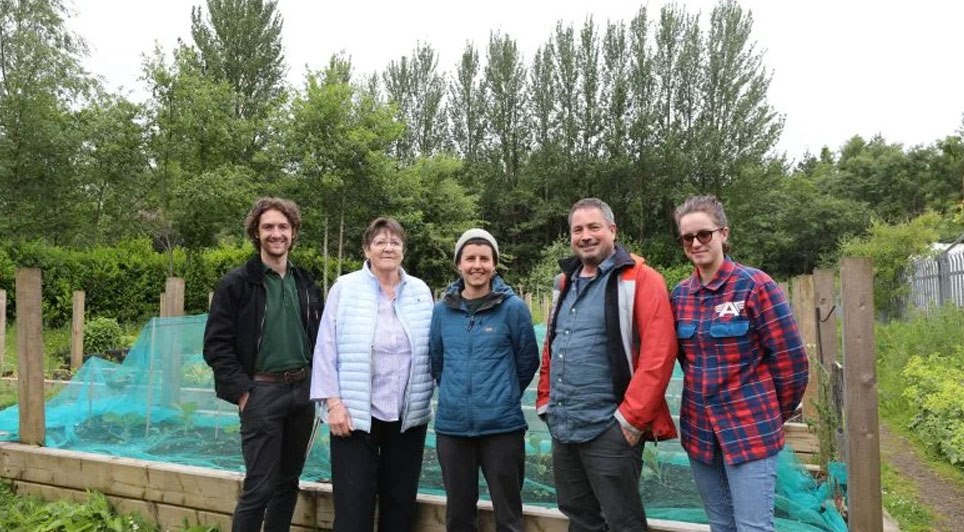
Two community projects in West Lothian are helping people save money, reduce waste and take practical steps towards sustainability after funding enabled the hiring of dedicated staff.
Polbeth Community Hub (PCH) and West Calder and Harburn Community Development Trust (WC&HCT) secured almost £20,000 to appoint two development officers to run their sustainability programme, including a sustainable fashion effort and a community garden. The support comes via the Pates Hill Wind Farm Community Benefit fund, delivered by OnPath Energy and administered by the West Lothian Development Trust (WLDT).
With many local initiatives dependent on volunteers, finding people who can commit significant time can be difficult. The grant has allowed both organisations to employ two permanent part‑time staff members to co‑ordinate volunteers and sustain long‑term change through the projects.
Adele Prendergast, manager of Polbeth Community Hub, said: "Getting funding to put dedicated staff in place has transformed the project. Having someone there to coordinate volunteers and drive the work forward means we can achieve so much more.

"It's a challenge to find funding that covers operating expenses such as staff costs, the funding from OnPath towards employing a permanent part-time employee is crucial to the success of the project. Volunteers have done an awful lot but there is only so much they can do without someone dedicated to coordinating the work and keeping things moving."
Adele Prendergast, Manager of Polebeth Community Hub, said: "In its first year, PCH's sustainability project has diverted more than 2.7 tonnes of clothing, books, food and other reusable items from landfill. That includes over half a tonne of clothing via the Rag Bag recycling scheme, almost half a tonne of books redistributed through World of Books and nearly 1.5 tonnes of food passed on through Fareshare.
"PCH worked with Community Woods and Garden in West Calder on the funding applications. Set up in 2013 by two local mums to secure accessible green space for children, the site now includes woodland trails, productive growing areas and a community workshop."
Development officer and garden manager Sarah Livingstone has been central to co‑ordinating the effort, opening up green space for those without gardens, building social connections and supporting wellbeing.
"People's first reason for coming here is usually the social side of things, whether that’s meeting other people, improving their mental wellbeing or simply having access to a green space.
"The environmental side often comes later, once people feel more comfortable and confident getting involved.
"What draws people in is the community experience. We garden and eat together, hold open days and raise money. It's about much more than gardening on your own; it's the sense of belonging and shared purpose that keeps people coming back."
The projects demonstrate how environmental action and community support can reinforce each other, addressing social needs while embedding more sustainable habits.