Scotland
 UK
UK Ireland
 London

Scotland could unlock major economic and energy benefits from biomethane by mid-century, a report published today finds. Scotland's Green Gas Opportunity, commissioned by the Green Gas Taskforce and supported by SGN, argues that renewable gas made from organic wastes and agricultural feedstocks can bolster energy security and cut emissions across homes, businesses, industry and transport.
The study concludes Scotland has sufficient sustainable resources to generate 19 TWh of biomethane by 2050 — roughly 50% of today's gas demand — and notes the technology keeps more value at home than rival renewables. It says 85p of every £1 invested would remain in the UK, the highest domestic content share of any renewable or low-carbon technology.
According to the report, scaling up biomethane could contribute £10 billion in gross value added by 2050 and create around 8,000 jobs, with average pay 17% above the Scottish mean. It would channel investment and skilled roles into rural areas and could provide enough green gas to heat and decarbonise the equivalent of 76% of Scottish homes.
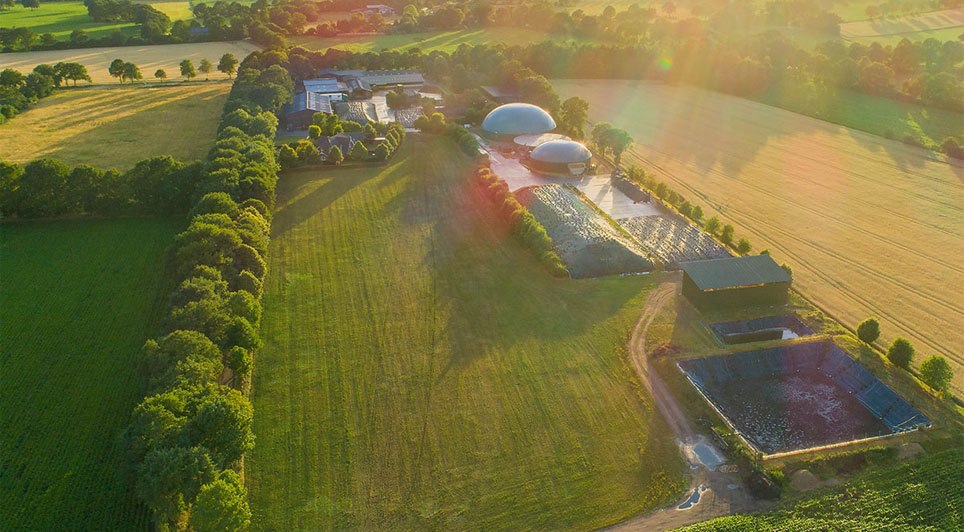
Unlike weather-dependent renewables, biomethane can be produced continuously and moved, stored and supplied through the existing gas network. It is also compatible with the boilers, cookers and appliances already in use, enabling low-carbon energy adoption with minimal disruption. There are already 25 biomethane plants connected to SGN's network, providing enough renewable gas to decarbonise the equivalent annual demand of more than 208,000 households, yet just 2.5% of Scotland's organic farm waste is currently utilised.

Marcus Hunt, Business Development Director at SGN and Co-Chair of the Green Gas Taskforce, said: "What makes biomethane particularly compelling is that we're not starting from scratch. Scotland already has enough connected biomethane capacity on SGN's network to meet the equivalent demand of more than one in ten homes connected to the gas grid, demonstrating that this technology is already delivering for consumers today.
"By turning more of Scotland's agricultural and organic waste into renewable gas, we can create value in rural communities, reduce reliance on imported fuels and strengthen the resilience of our energy system. The opportunity now is to move from potential to delivery and unlock this industry at scale."
The report adds that seizing the opportunity will require rapid, coordinated measures to create the right policy and investment framework.
Gillian Martin, Cabinet Secretary for Climate Action and Rural Affairs, said: "Biomethane and anaerobic digestion have an important role to play in Scotland's transition to net zero, helping to reduce emissions while making better use of local resources. This report highlights the potential to support economic activity, including in rural communities, and strengthen our homegrown energy supply.
"I welcome the work of the Green Gas Taskforce in bringing forward this analysis, which we will consider as part of our wider approach to delivering a just and affordable energy transition."
Charles McAllister, Director of the Green Gas Taskforce said: "Biomethane is a reliable, renewable and ready fuel with the potential to heat and decarbonise the equivalent of three quarters of Scottish homes whilst providing a stable revenue stream to Scottish farmers. Biomethane is injected into the Scottish gas grid and requires no change in end user equipment, offering a further choice for end users and a means to decarbonise seamlessly."
"In order to unlock Scotland's green gas potential, the Green Gas Taskforce is calling on the Scottish Government to recognise biomethane's potential and act to turbocharge its development."