Scotland
 UK
UK Ireland
 London

Scottish Forestry is investing £900,000 from its Strategic Timber Transport Fund (STTF) to support five new projects aimed at reducing the impact of timber transport on rural communities and improving essential transport infrastructure.
The funding will be used for initiatives such as upgrading existing fragile rural roads, creating necessary passing places, or building new in-forest routes specifically designed to direct timber traffic away from residential areas.
Scotland's forestry sector is a vital part of the green economy, producing around 6 million tonnes of timber each year, contributing over £1.1 billion annually to the Scottish economy, and supporting approximately 34,000 jobs.
Rural Affairs Secretary Mairi Gougeon welcomed the STTF support, stating: "Our forests produce around 6 million tonnes of timber each year. This is a vital part of our green economy which generates over £1.1 billion to Scotland each year and supports around 34,000 jobs. It is important that this timber gets to market safely and very importantly, in a way which minimises any impacts on rural communities. This funding aims to achieve this and more."
Ms Gougeon also highlighted efforts to decarbonise the sector: "In our drive towards Net Zero, I'm looking to promote innovative ways to decarbonise how our timber gets to market in a way that is more environmentally friendly. Using sea routes and exploring the use of electric timber lorries are good examples of this."

In addition to the £900,000 for new projects, a further £1.1 million has already been committed to funding ongoing initiatives. These include the TimberLINK coastal shipping project, which moves 75,000 tonnes of timber annually via sea, avoiding around 4,000 lorry journeys and reducing emissions by 1,700 tonnes per annum. Funding also supports a three-year electric timber lorry trial (EV Timhaul) and a network of Regional Timber Transport officers and the Timber Transport Forum, who provide crucial liaison between communities, councils, industry, and Scottish Forestry.
The five new projects receiving funding are:
• Argyll and Bute Council (£150,535): For construction and safety improvements at Electric Cottage on the A819, a key strategic route expected to carry almost half a million tonnes of timber over the next decade.
• Stirling Council (£207,835): To upgrade the narrow, mostly single-track C33 at Balquhidder, increasing passing places and improving forest exits. This road will support around a quarter of a million tonnes of timber transport over the next ten years.
• Angus Council (£150,000): To improve and upgrade key sections of the C27 and C28 roads in the Angus glens, which are currently unsuitable for expected increases in timber traffic. Works include strengthening, widening, patching, improved passing places, and enhanced drainage.
• Barhill Strategic Timber Transport Committee (£45,000): To upgrade the Carrick Burn bridge on the Barhill Timber Haul Route. This ensures the continued use of this dedicated route, avoiding impacts on the local public road network from over a quarter of a million tonnes of timber extraction over the next decade.
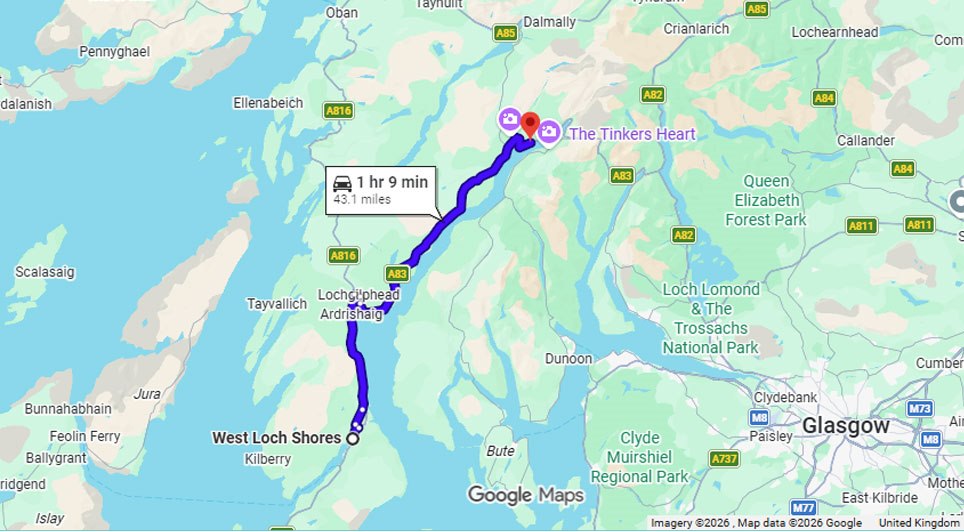
• Tilhill Forestry (£381,232): To divert 100,000 tonnes of timber transport from Lagalochan and Loch Avich areas in Argyll away from local communities along the C29, C30 & B845, facilitating movements onto primary routes via Dalavich and Kilchrenan without using local roads.
Dr William Clark, Scottish Forestry's Forest Transport & Innovation Advisor, highlighted the long-term impact of the fund: "The Strategic Timber Transport Scheme has been reducing the impacts of timber haulage on Scotland's communities for 25 years. Over 600 projects have been supported in this time, reducing the impacts of over 1 billion tonnes of timber transport on communities and the environment."
All projects supported under the STTF are co-funded by either the relevant local authorities or public and private partnerships.