Scotland
 UK
UK Ireland
 London

Almost eight in ten employers across Scotland's historic environment report skills or knowledge gaps, according to new research by Historic Environment Scotland (HES), which is urging coordinated action to strengthen specialist capabilities and improve career pathways.
HES's latest Employers' Skills Survey shows 79% of respondents identified skills or knowledge gaps. Traditional and specialist craft skills were the most common shortfall, cited by more than half of organisations (54%). A majority (58%) reported challenges with training provision, while almost half (49%) said routes into and through the sector are not clear or accessible.
Looking ahead, nearly two thirds of employers expect skills shortages to have a considerable impact on organisational growth (40%) or a huge impact on sustainability (25%). The most frequently cited drivers of future skills and labour pressures were a lack of skilled or qualified professionals (77%) and an ageing workforce (67%).
These skills are essential not only for caring for Scotland's best-known historic places but also for maintaining the traditional buildings where people live, work and learn. From homes and schools to libraries and community venues, practitioners are needed to carry out appropriate repairs that keep properties wind and watertight and in active use. Alongside craft expertise, areas such as heritage science, digital technology and innovation are opening new ways to understand, conserve and get the most from Scotland's historic environment.
HES is spotlighting the findings during Heritage Careers Week (5–9 October), which promotes the breadth of roles in the sector and the different routes into them. The organisation supports opportunities including apprenticeships, work-based learning, short courses and specialist training.

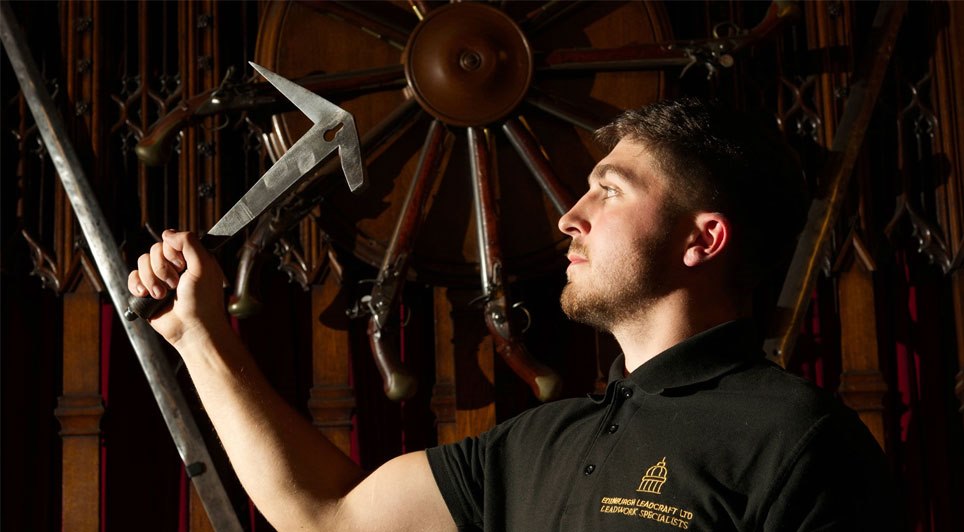
This year also marks 30 years of HES's Craft Fellowship programme. Since 1996, it has helped more than 60 people develop specialist skills in crafts such as stone carving, blacksmithing, stained glass and thatching. Fellows gain hands-on experience with specialist external organisations and skilled practitioners.
Dr David Mitchell, Director of Cultural Assets at HES, said: "Scotland needs traditional and specialist skills to care for the buildings and places that are part of everyday life across the country. When almost eight in ten employers responding to our survey report skills or knowledge gaps, it is clear we need to focus now to strengthen the workforce for the future.
"Employers are telling us they need clearer career pathways, accessible training and opportunities for people to learn from experienced professionals. The response to that has to be a collective and cohesive one. HES, industry, employers, training providers and government all have a role to play in creating opportunities for people to enter these careers, develop their expertise and pass specialist knowledge from one generation to the next.
"Thirty years of our Craft Fellowship programme shows what sustained investment in people can achieve. We need to build on approaches like this, along with apprenticeships and other training pathways, to ensure Scotland has the skilled workforce it needs to care for its historic environment for decades to come."
The research underpins the Skills Investment Plan for Scotland's Historic Environment, which brings organisations together to bolster training provision, enhance career pathways and build the specialist workforce the sector needs.
Historic Environment Scotland is the lead body for the nation's historic environment and a charity dedicated to heritage, culture, education and environmental protection. It researches and records architectural and archaeological sites and landscapes, addresses the impacts of climate change, and cares for more than 300 properties of national importance. HES also works with partners to deliver Scotland's strategy for the historic environment, Our Past, Our Future. Sub-brands include Historic Scotland, trove.scot, the National Collection of Aerial Photography (NCAP), the Engine Shed, Stirling Castle and Edinburgh Castle.
Heritage Careers Week is the Scottish heritage sector's annual careers initiative, led by employers to raise awareness of the wide range of roles available. Each October, employers collaborate with Developing the Young Workforce (DYW) regional groups and local schools to offer in-person and online activities for families and schools, as well as events for those starting out, changing career or returning to work. Heritage Careers Week 2026 runs from Monday 5 to Friday 9 October.
Further information about HES's work on skills and training, including current opportunities, is available on its website.