Scotland
 UK
UK Ireland
 London

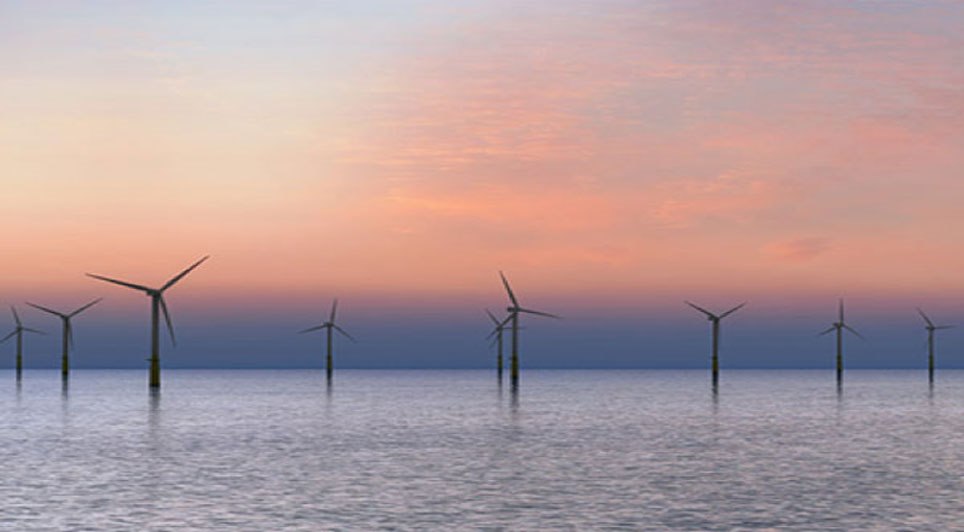
Figures released recently show that Scotland's carbon emissions will be slashed by wind, wave and tidal power in the next decade making a major contribution to our efforts to tackle climate change while growing jobs and the economy.
The figures have been released as the Scottish Marine Bill takes its next steps through the Scottish Parliament. The bill will establish new planning and licensing mechanisms for renewable energy.
Scottish Renewables (SR) estimates that offshore wind development and the predicted wave and tidal developments in Scottish waters by 2020 will deliver carbon reductions equivalent to 30% of Scotland’s total emissions. This is the equivalent to taking over 4.5 million cars off the roads. It will provide electricity equivalent to 89% of Scotland’s demand. (2) but only if constraints to development are removed.
Two 'rounds' of development for offshore wind, launched by The Crown Estate, are currently underway: the Scottish Territorial Waters Round out to 12 nautical miles from shore which could see 6.4GW installed over the next decade; and the UK Round 3 beyond 12 nautical miles, aiming for 25GW across 11 sites in the UK, of which two are off the Scottish coastline. Wave and tidal developments have been predicted to reach 1GW installed by 2020.

SR is calling for duties to be put into the Marine Bill as it proceeds through parliament to ensure climate change delivery is a strong part of national and regional marine plans that will emerge from it. The industry is also calling for the new management body 'Marine Scotland' to have a strong climate change duty placed on it by Ministers using their new powers under climate change laws.
Niall Stuart, Chief Executive of Scottish Renewables said: "These new figures show that wind, wave and tidal power from our seas can slash our carbon emissions by nearly a third in the next 10 years, while creating jobs and delivering investment. That's the equivalent to taking over four and a half million cars off the road every year.
"Green energy should have a strong and rightful place in the new plans that will emerge for our seas and we need to ensure that climate change and renewables are centre stage. In our view, the Marine Bill is as important as Scotland’s much lauded Climate Change Act in delivering the solutions to the crisis.
"We must balance the needs of those who currently exploit our seas with the overriding imperative of tackling climate change over the next 10 years. A strong electricity grid, with simplicity and certainty over planning and licensing are needed as we ramp up renewables over the next decade."
(GK/BMcC)