Scotland
 UK
 Ireland
 London


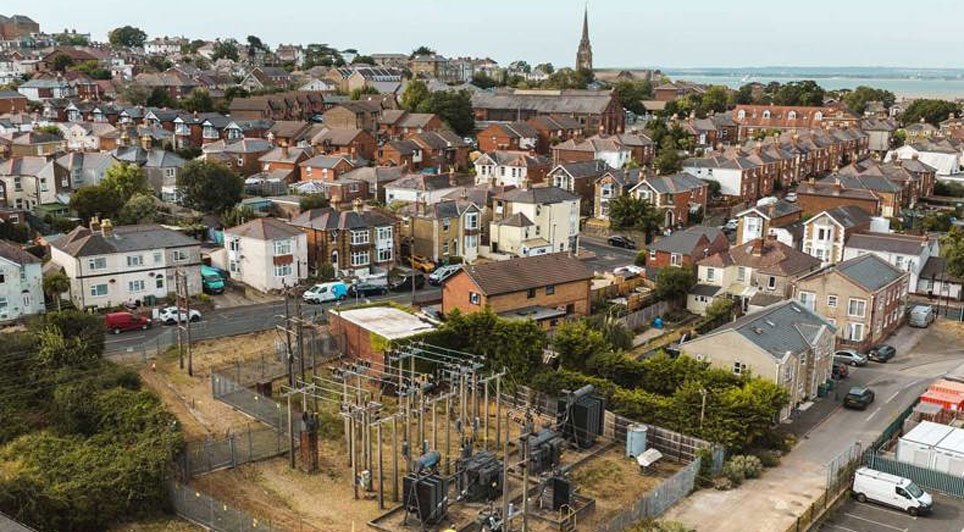
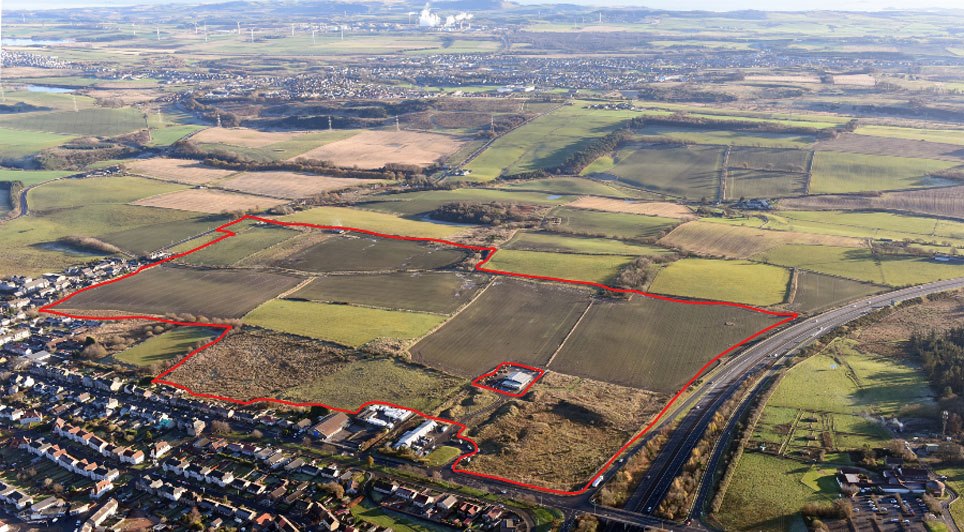
SSEN Distribution has proposed investing £8.7bn in local electricity networks across the north of Scotland and central southern England, with the aim of supporting economic growth and rising demand for electricity.
The five-year plan for the ED3 price-control period, running from 2028 to 2033, would increase network capacity by 24%. SSEN, a wholly owned subsidiary of SSE, expects demand to grow as new homes, businesses, electric vehicles, low-carbon heating and emerging technology sectors require more power.
SSEN proposes keeping the distribution portion of household energy bills flat in real terms until 2030. The proposal is subject to Ofgem's regulatory determination and support from the UK Government.
The plan, titled 'Electrified. Resilient. Affordable', would use flexibility and smart technology to make better use of existing networks before building new infrastructure. It proposes 13.4GW of flexibility, six times the level in the current price-control period, and 5GW of early-access connections to help customers connect sooner.
To improve resilience to extreme weather, around 350km of high-risk overhead lines would be rebuilt or moved underground, and approximately 250km of climate-vulnerable cables replaced. SSEN aims to maintain network reliability at 99.98% and halve the number of customers experiencing frequent power cuts.

The proposals would triple fuel-poverty support and provide a further 10,000 home battery packs during ED3. SSEN is already providing 20,000 packs to vulnerable customers in the current price-control period.
The company's workforce plan identifies a need for another 1,500 skilled roles between 2028 and 2033. It also aims to increase spending with UK-based manufacturers by 10%, potentially adding £157m to locally based manufacturing.
Chris Burchell, managing director of SSEN Distribution, said: "We're now firmly in the electrification era. How we heat our homes, travel, and power business and industry is changing. Both sustainable economic growth - and the route to lower energy bills - will increasingly depend on having access to sustainable, reliable, homegrown electricity.
"Our job is to make sure our networks enable opportunities. So, our plan will increase capacity where and when it's needed, make much greater use of flexibility and smart technology so we only invest in new infrastructure if it's necessary, and also strengthen the resilience of the network on which millions of our customers depend.
"Our customers have also been clear that affordability is a prime concern for them. This is why we've devised a proposal which, if approved, would deliver the essential network investment that will yield lower costs for households and businesses in the longer term as our communities electrify, while keeping distribution charges on bills flat over the next few years.
"This is a plan to deliver an electrified, more resilient, and more-affordable future. Created with the input of more than 25,000 contributions from across our licence areas, it will support growth across the country, maintain the reliable service our customers expect, and ensure communities across the north of Scotland and central southern England can fully benefit from electrification."