Scotland
 UK
 Ireland
 London


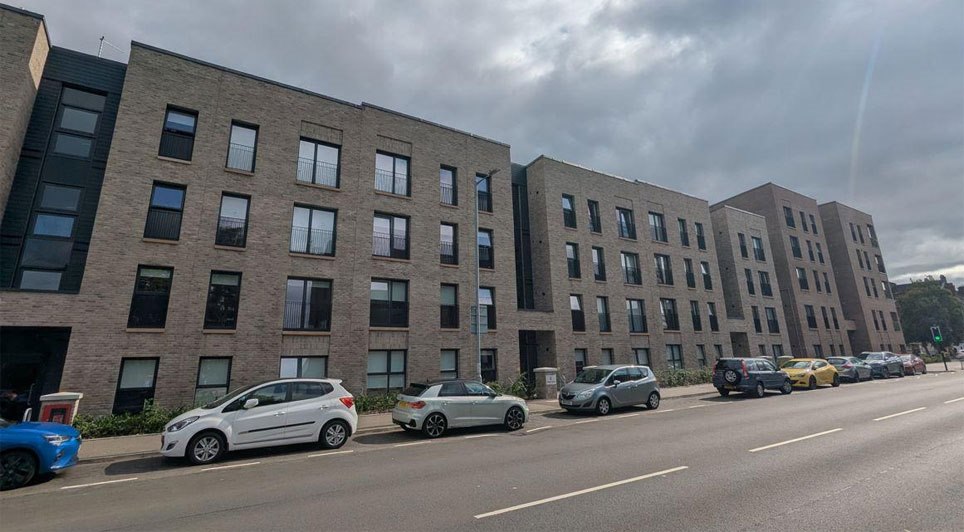
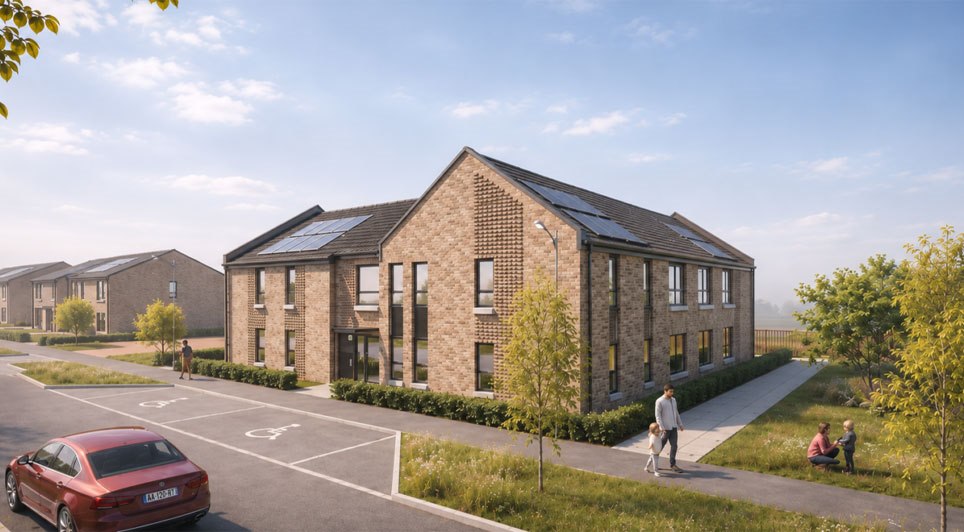
Glasgow City Council has approved a £674m programme to confront the city’s housing emergency, confirming delivery of more than 6,500 affordable homes over the next five years and setting out capacity for over 12,000 in total if additional funding is secured.
The Strategic Housing Investment Programme (SHIP) for 2027/28 to 2031/32 builds on last year’s announcement that Glasgow had constructed more social and affordable homes than Manchester and Liverpool combined. Alongside new builds, the plan includes support for Registered Social Landlords (RSLs) to acquire 430 homes for social rent and other priorities to strengthen the affordable housing supply across the city over five years.
Councillor Ruairi Kelly, Depute Leader and Convener for Housing, Development and Land Use at Glasgow City Council, said: "Glasgow City Council is doing everything within its power to make a secure home tenancy a reality for as many Glaswegians as we can: I hope the SHIP today demonstrate that. These are ambitious plans build on strong foundations: Glasgow has built far more affordable homes than comparator cities like Manchester or Birmingham over the last five years, and I am determined to raise the bar even further.
"Working in partnership with local housing associations, housebuilders and the wider housing sector we want to be clear to Government that Glasgow gets things built: and if they are able to increase our housing budget, we can build and acquire even more. This is the sort of investment that will not only provide these much-needed homes during a housing emergency, but also boost the city's economy through supporting construction jobs and the wider supply chain."

The council’s housing team has identified 59 sites across Glasgow with potential capacity for 12,173 homes during 2027/28–2031/32, subject to funding. It will also explore converting vacant and underused upper floors in former commercial buildings into homes to help raise the city centre population to 40,000 by 2035.
The SHIP proposes investing £674m from the Affordable Housing Supply Programme (AHSP) over five years, providing multi-year certainty to maintain delivery, maximise available investment and retain flexibility to respond to changing conditions. Of the new homes, 74% are planned for social rent, 24% for mid-market rent and 2% for New Supply Shared Equity or private rent. AHSP-funded homes will be built on brownfield sites.
Prepared in the context of Glasgow’s declaration of a housing emergency in November 2023, the SHIP sets out a summary of current housing and homelessness pressures and the key actions being taken to reduce child poverty. It includes a delivery plan for affordable housing projects and housing-led regeneration priorities.
The programme also outlines the potential to fund and enable RSLs to acquire suitable private sector properties to house homeless households. Investment priorities include expanding the supply of larger family homes (four or more bedrooms) and housing that meets social care needs, including wheelchair-adaptable homes and accommodation for older residents.
Planned outcomes include increasing affordable family housing, reducing homelessness and reliance on emergency or temporary accommodation, and helping to lower child poverty. The programme is designed to meet changing demographics, including a projected 18.1% rise in residents aged 65 and over by 2036, and to support people with disabilities, complex health needs and young people leaving care.
Accessibility and size standards are embedded: 10% of homes in developments of 20 or more units must be wheelchair readily adaptable. The plan also targets delivery of 40 new large family homes each year (four or more bedrooms for six or more people) and an increase in three-bedroom homes.