Scotland
 UK
UK Ireland
 London

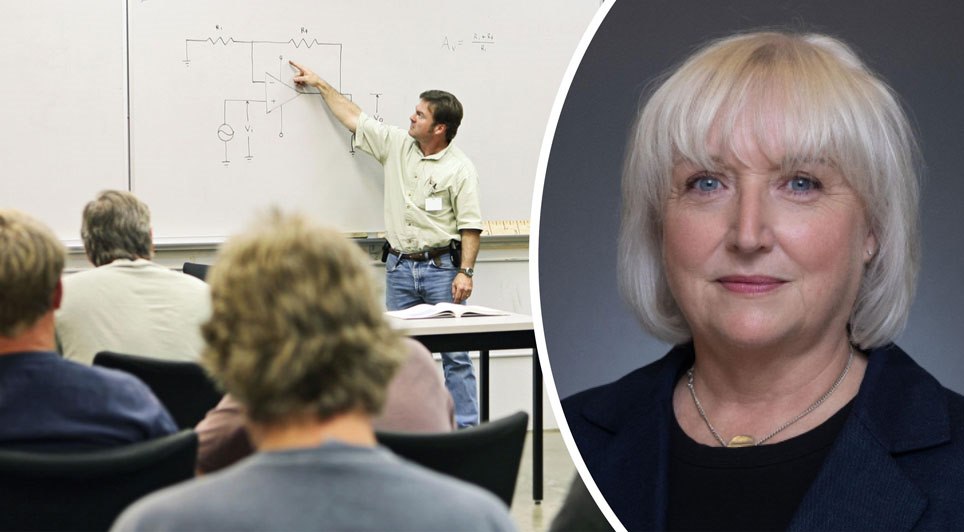
SELECT and the Scottish Joint Industry Board (SJIB) have issued a renewed alert about rogue training providers promoting short courses that claim to deliver a rapid route into the electrical trade.
The organisations say they are increasingly concerned that prospective entrants are being led to believe they can gain the knowledge, practical skills and occupational competence of a qualified electrician after only a few weeks of classroom instruction.
They are urging anyone considering a career in the electrotechnical sector – including adults seeking to retrain – to choose an industry-approved pathway that blends structured learning with essential, supervised workplace experience.
Sharon Miller, Managing Director of SELECT, said: "There is already a robust training programme in Scotland that raises electrical professionals to the high standard required of the modern contractor. This is proven to be the ONLY way to equip electricians with the skills required and give consumers confidence that work is being carried out safely and competently.
"This also applies to retraining, with an adult training scheme that offers on-site working to help develop skills in conjunction with the classroom aspect. A short course simply doesn't cut it and endangers consumer safety."
Sharon added: "As we have outlined on a number of occasions, electrical installation is highly skilled, safety-critical work. It simply isn't possible to replicate in a matter of weeks the combination of technical knowledge, practical ability and workplace experience that is developed through a proper electrical installation apprenticeship.

"People considering a career in the industry should therefore be extremely wary of organisations which suggest that a collection of qualifications or a short period of training will somehow make them a competent electrician."
SELECT and the SJIB work in partnership with the Scottish Electrical Charitable Training Trust (SECTT), which manages Scotland's Modern Apprentice in Electrical Installation programme. Typically taking around four years, the apprenticeship combines college study with extensive supervised time on site and concludes with the Final Integrated Competence Assessment (FICA).
Catherine Gillon, Secretary of the SJIB, said: "Qualifications are obviously an important part of becoming an electrician, but qualifications alone do not demonstrate occupational competence.
"Working alongside experienced electrical professionals on-site is an essential part of the learning process. It enables trainees to put their technical knowledge into practice, encounter different situations and installations and gradually develop the judgement, ability and experience expected of a qualified electrician.
"That is why there can be no shortcut to competence. Anyone who is being told that they can become an electrician simply by completing a handful of short courses in a classroom should think very carefully about what they are being promised.
"The consequences extend beyond the individual who may have spent considerable sums on inappropriate training. If someone then undertakes electrical installation work without the necessary competence, the consequences for customers and the wider public could be extremely serious."
Both organisations are directing prospective electricians to contact SECTT and to consult the Rogue Trainers campaign from The Electrotechnical Skills Partnership (TESP), which helps people spot misleading offers and understand recognised routes to qualification.
Sharon added: "The Rogue Trainers campaign is extremely important because people looking for a new career can understandably be attracted by promises that they can qualify quickly.
"But becoming an electrician isn't about collecting certificates. It's about developing genuine occupational competence and being able to demonstrate that you can carry out complex electrical work correctly and, above all, safely.
"We would urge anyone considering electrical training to investigate exactly what a course will deliver before committing their time and money. The electrical installation apprenticeship remains the safe, recognised and proven route into our profession."