Scotland
 UK
UK Ireland
 London

Leading electricity infrastructure company, SSE, has announced its full-year 2024/25 financial and operational results, revealing a record investment of £2.9 billion in energy infrastructure over the past year.
This investment equates to approximately £8 million invested daily, supporting the UK government's clean power mission.
For the financial year ended March 31, 2025, SSE reported an adjusted operating profit of £2,419 million and adjusted earnings per share (EPS) of 160.9p, aligning with previous guidance.
In response to a changing macroeconomic environment and delays in policy and planning processes, SSE has revised its capital investment plan for the five years to March 31, 2027, to approximately £17.5 billion.
Key operational milestones achieved by SSE in the past year include:
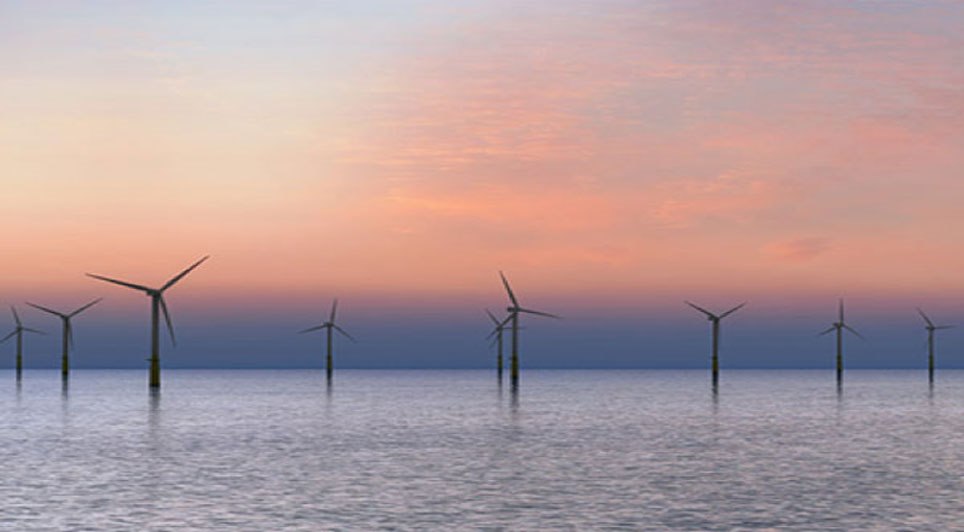
• Dogger Bank A: Reached 50% turbine installation on the 3.6GW offshore wind farm, with completion anticipated in the second half of the current year.

• Shetland HVDC link and Viking wind farm: Fully energised the 260km cable linking Shetland to the GB grid and completed the associated 443MW Viking wind farm, representing a combined investment exceeding £1 billion.
• Eastern Green Link 2 (EGL2): Began construction on the UK's single largest electricity transmission project, a 500km subsea link between Peterhead, Scotland, and Drax, England, in partnership with National Grid.
• ASTI and LOTI projects: Submitted all major substation consents for these transmission projects, with remaining consents due in the summer, and progressed construction on the Eastern Green Link 2 ASTI project.
Alistair Phillips-Davies, in his final financial results as SSE’s Chief Executive, commented: "SSE continues to prove the benefits of a portfolio that is built to withstand risk and uncertainty and a strategy that is focused on creating sustainable value. We have met our financial goals for the year and evolved our investment plans to reflect the changing world around us – leaning into the opportunities presented in networks and redoubling our capital discipline across our energy businesses." He expressed confidence in achieving the FY27 target of 175-200p EPS and sustainable growth beyond 2030, citing the company's strong balance sheet and anticipated increase in index-linked revenue.
The company's Networks and Renewables businesses contributed a combined 87% of the total adjusted operating profit, an increase from 63% in the prior year, reflecting strong operational performance and continued investment. Conversely, adjusted operating profits from the flexible Thermal business declined by 75% due to an expected normalisation of energy commodity price volatility. Energy Customer Solutions saw supply margins stabilise, allowing for tariff reductions to customers.