Scotland
 UK
UK Ireland
 London

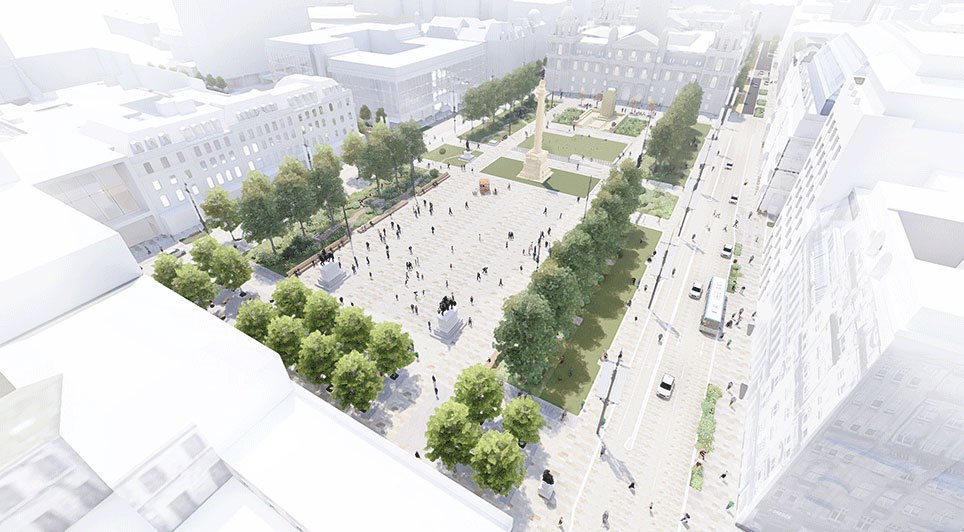
A call has been made for funding to create an iconic "anchor" building to seize the public imagination and act as a focal point for further development at Dundee waterfront.
Kevin Keenan, chairman of the waterfront board has called on the Scottish Government to find cash for a structure that could house the proposed Victoria and Albert Museum.
He said: "The money that has already been announced was earmarked some time ago for infrastructure works that will create the framework for development and help to physically re-create the link between the city centre and the river.
"But if the waterfront vision is to be delivered and we truly want to put Dundee's and with it Scotland's cultural importance on the map, then we will need new money to design and build something with the wow factor. Something as inspiring as Frank Gehry's Maggies Centre in Dundee would be a good place to start."

Last week more than £33m was allocated to Dundee City Council by Scottish Enterprise to help implement the city's waterfront vision.
The cash will immediately enable work to get underway on the next phase of activity to create a massive storm water tank, the new northern boulevard and to demolish and re-build compact exit/access ramps at the Tay Road Bridge.
BEAR, the managing agents for the trunk road network in Scotland also intend to reconstruct East Dock Street from Trades Lane to Broughty Ferry Road. This work will be coordinated with phase three of activity at the central waterfront.
That means that the East Dock Street works, which include creating a new Trades Lane junction, will run from late summer to autumn this year.
AMCO have been selected as the preferred bidder for a separate contract for the storm water tank which will take around a year to complete from its expected start date in April. Because of its location on the grassed area to the east of the Hilton Hotel, work on building the tank will have no impact on drivers.
The first work at the Tay Road Bridge itself is scheduled to start in early 2010 and include the bridge ramps, service diversions and the construction of the proposed northern boulevard.
This part of the project will take more than four years, with completion expected early in 2014.
The phasing of the works is extremely complex and could change as contractors are appointed and work begins on site.
That complexity and the overall length of the programme is partly caused by the need to minimise the impact on road and bridge users, and to ensure the city is open for business as usual during the implementation of these major works.
(GK/JM)