Scotland
 UK
 Ireland
 London


SSE has thrown its support behind COP31's push to speed up electrification worldwide, highlighting extensive upgrades to the north of Scotland's power network as it closes in on an £8bn investment landmark.
Since 2020, SSE's electricity transmission arm, SSEN Transmission, has invested around £8bn to reinforce infrastructure across the region. Over that period, renewable generation connected to the network has risen from about 6.3GW to 10.8GW, while reliability has remained at 99.999%. The company says the spending is enabling more homegrown clean power, supporting energy security and underpinning growth in jobs, skills and manufacturing.
COP31's 35-by-35 Global Electrification Pledge aims to lift electricity's share of final energy consumption to 35% by 2035. Delivering that target depends on greater electrification of transport, buildings and industry, backed by modern, resilient grids and a more flexible power system—areas SSE says its work in the north of Scotland is already advancing.
Major projects are progressing into construction, the workforce is expanding and new manufacturing capacity is being established to meet rising demand for clean power infrastructure. SSE points to these developments as evidence that sustained investment can connect larger volumes of renewable energy and create broad opportunities for employees and supply chains.

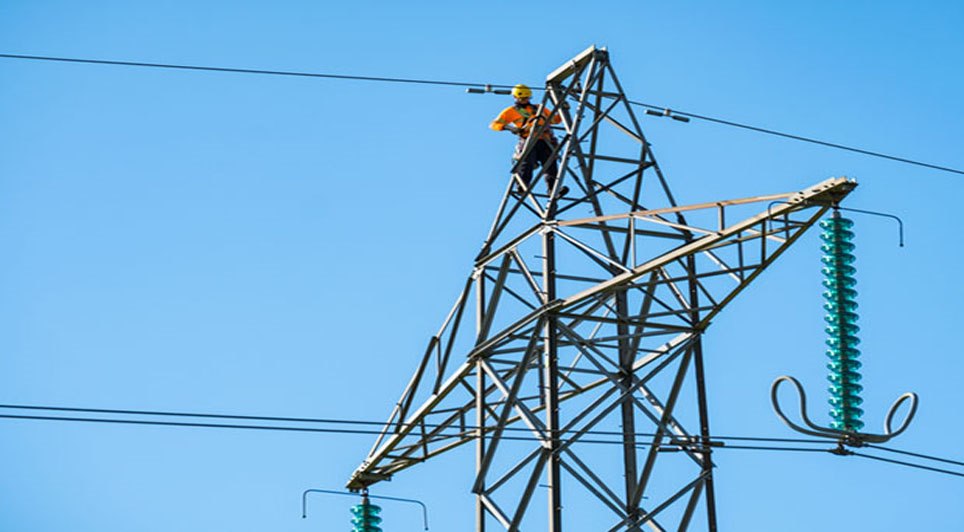
Innovation is also playing a role in squeezing more capacity from existing assets. At Kintore in Aberdeenshire, SSEN Transmission has completed a UK first by using a drone to install Dynamic Line Rating technology on a live transmission line. The system uses real-time conditions to safely raise the amount of electricity that can flow through existing lines, helping integrate more renewables and cut constraint costs for consumers.
Martin Pibworth, Chief Executive of SSE plc, said: "COP31 has set an important ambition on electrification. The exciting thing is that we're already seeing what delivering it looks like.
"Look at the north of Scotland. Since 2020, we've invested around £8bn in the transmission network. From Eastern Green Link 2 and the Netherton Hub near Peterhead, to connecting all three of Scotland's remote island groups and Sumitomo Electric's new subsea cable factory at Nigg, investment in electricity infrastructure is translating into real projects, jobs and industrial capability, driving economic growth across the UK.
"Our experience shows how clear policy direction can translate into impact in the real world and that is why the focus at COP on electrification is so important. And we're only getting started. Investment in low-cost clean power, grids, skills, industry and electrification can strengthen energy security, drive economic growth and make energy more affordable."
The company says the network build-out is catalysing skills and supply chain growth. SSEN Transmission's headcount has increased from around 700 in 2020 to more than 3,000 today. In October, Sumitomo Electric opened a £350m subsea cable manufacturing facility at Nigg in the Highlands. SSEN Transmission has also launched an eight-year supply chain framework worth up to £7.4bn, designed to create opportunities for large contractors, SMEs and locally based firms by offering long-term visibility of demand.
Through its £29bn Pathway to 2030 programme, SSEN Transmission estimates its investments could support up to 50,000 UK jobs, including 10,000 in the north of Scotland and 24,000 across Scotland, with significant prospects for companies in engineering, construction and wider local supply chains.